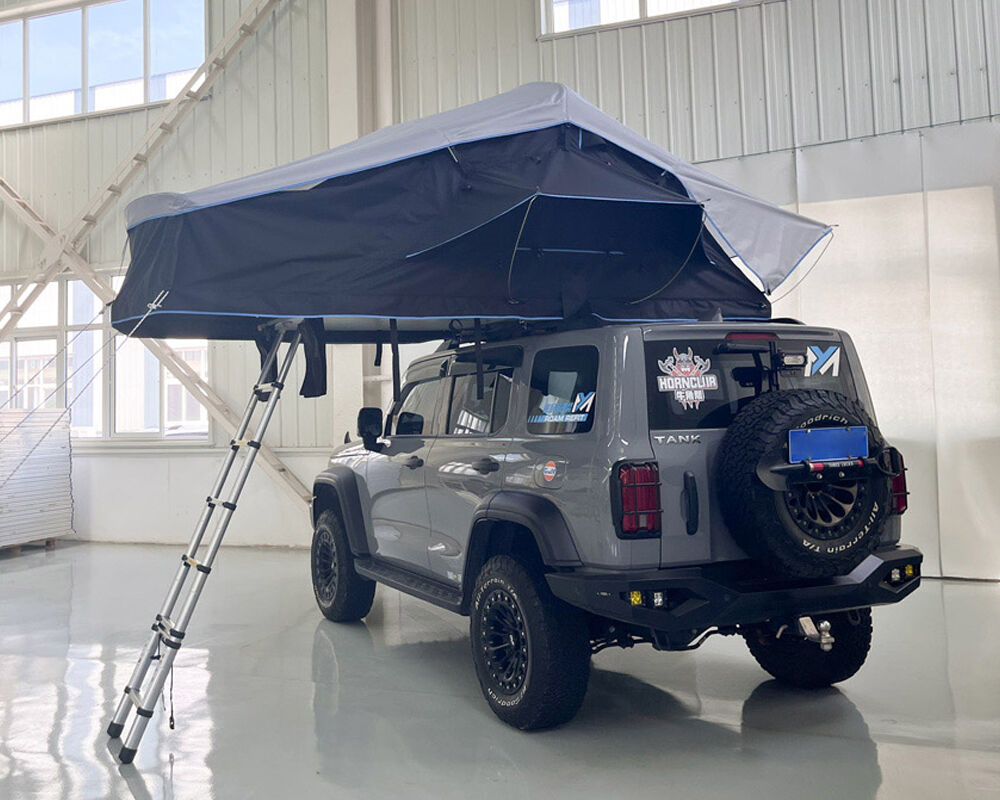
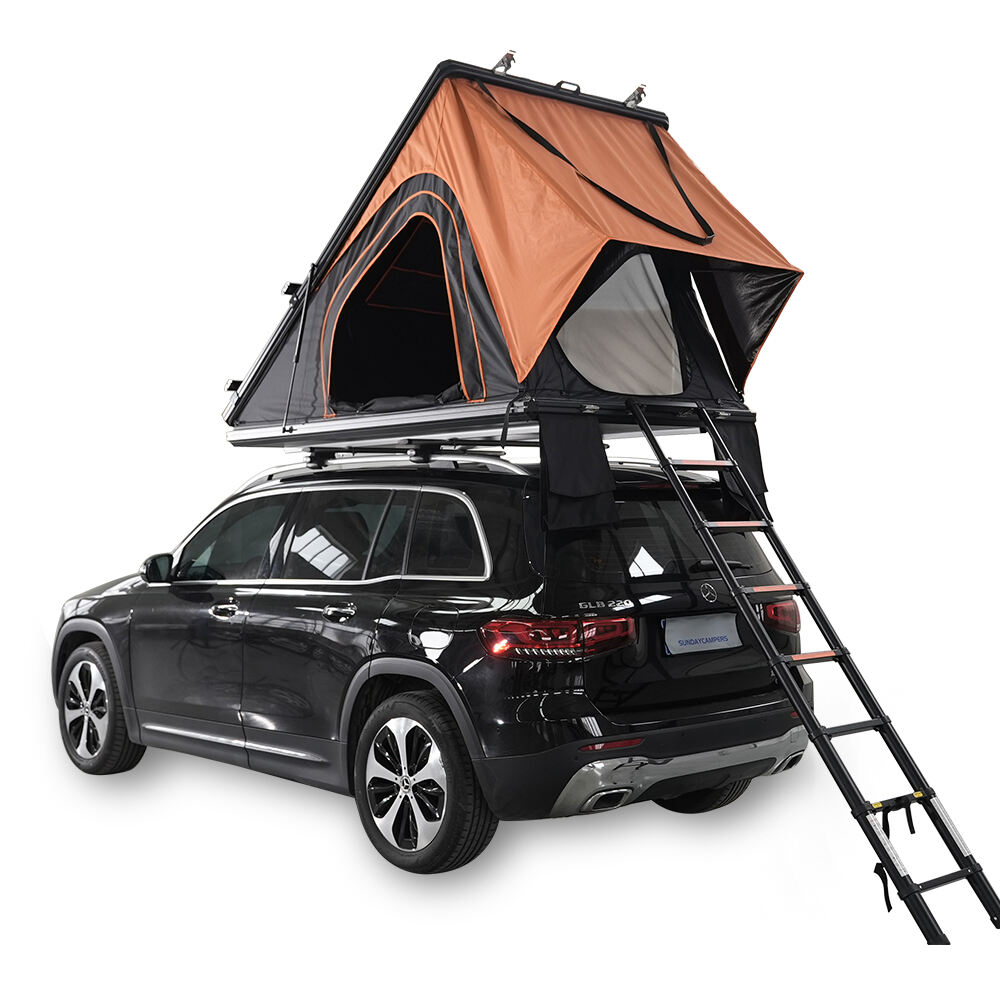
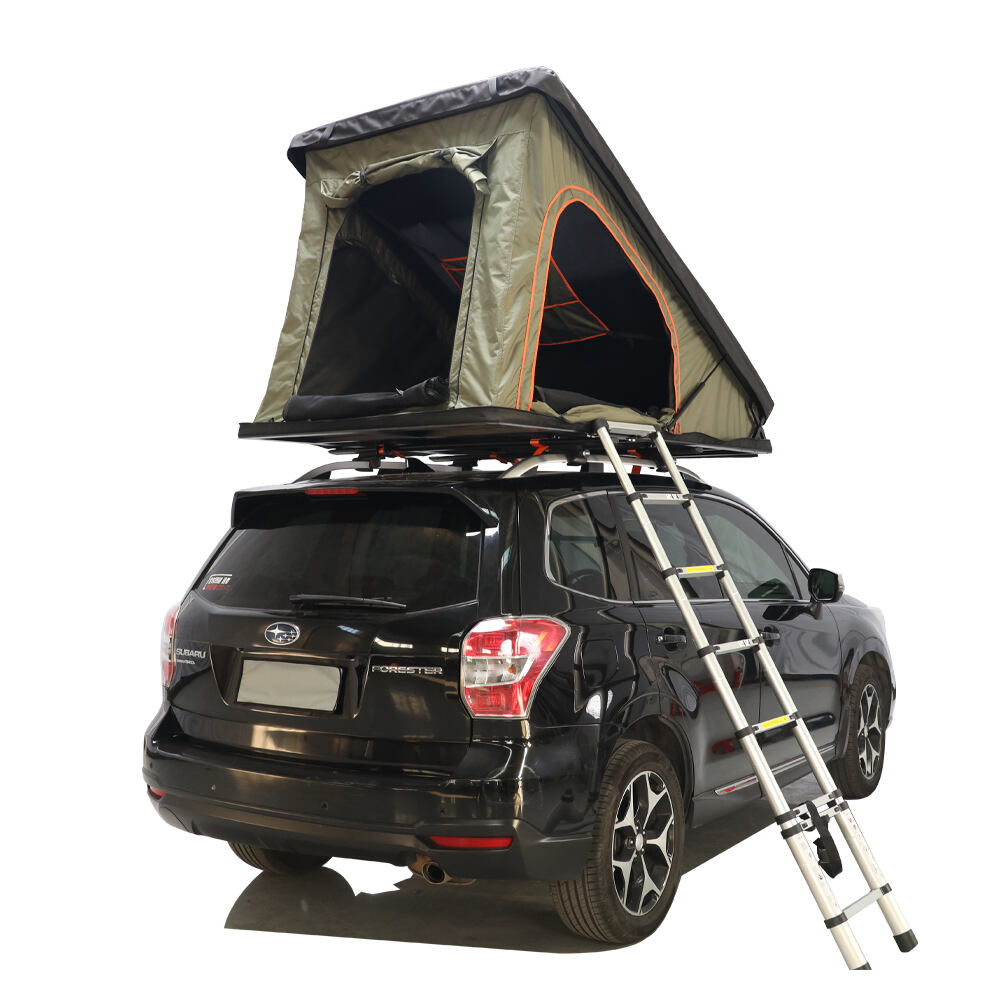
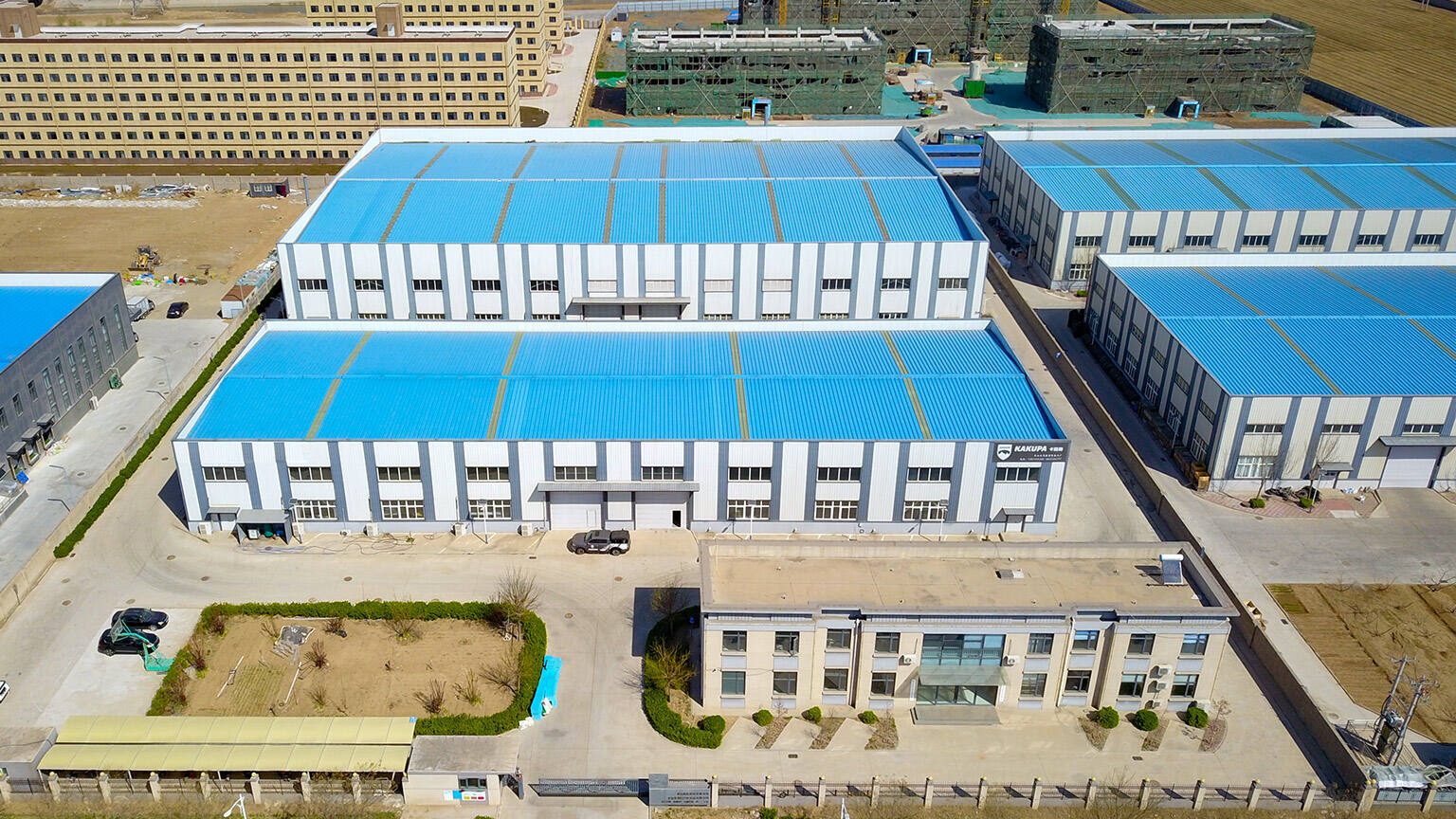
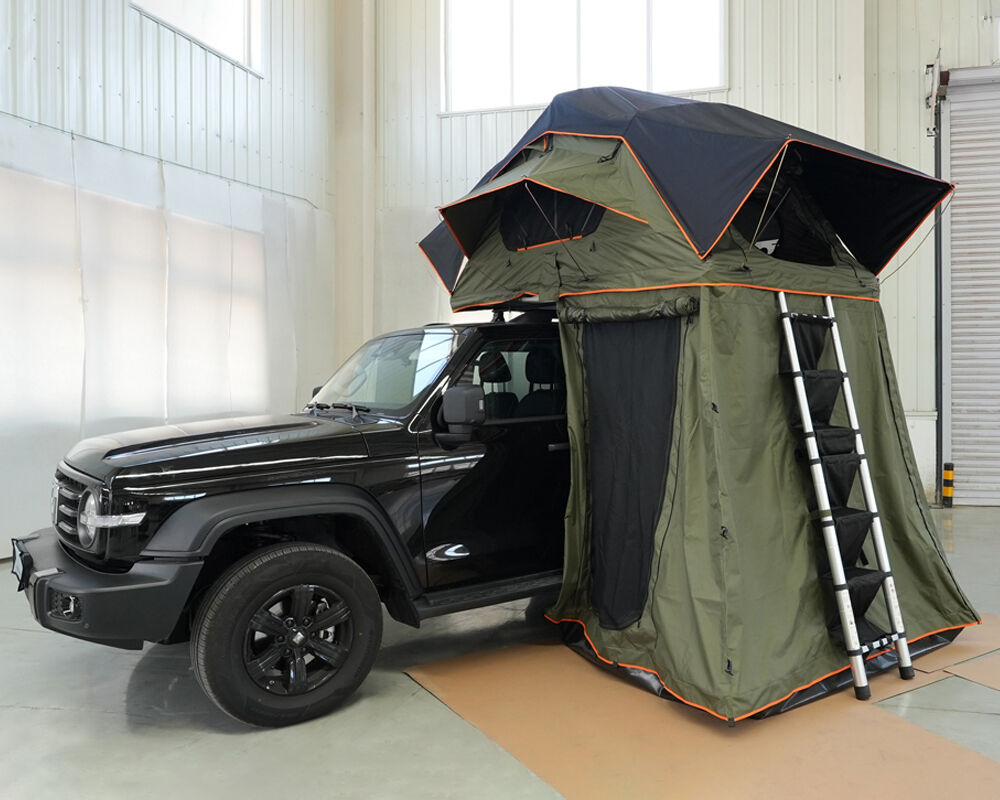
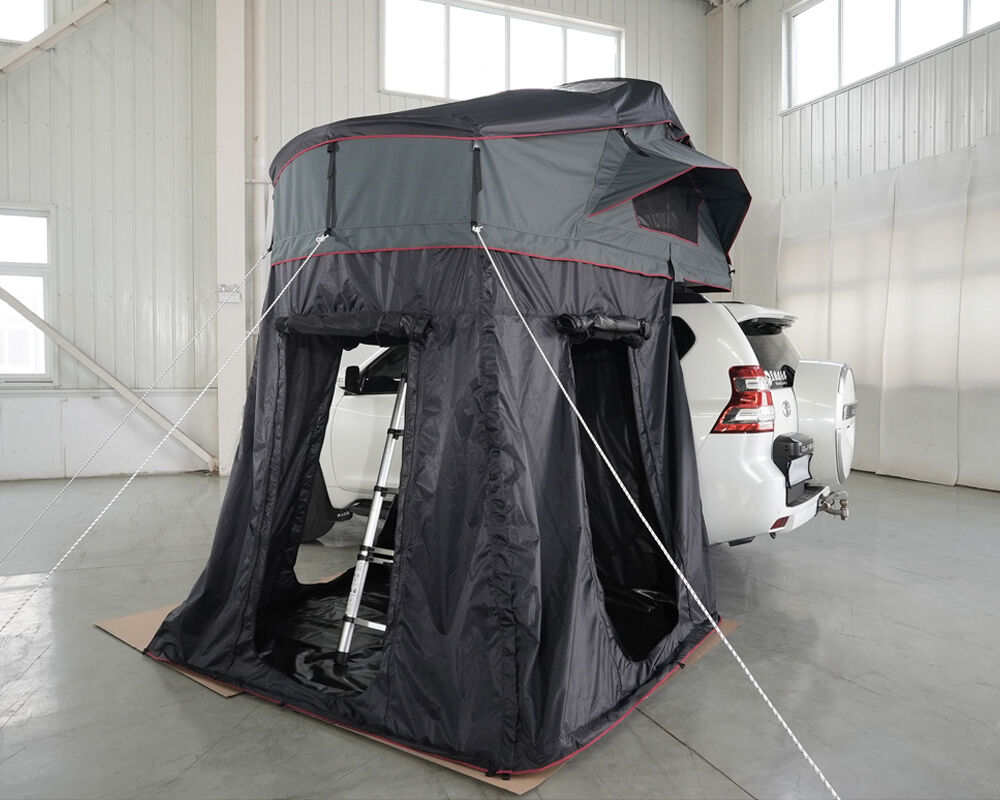
Modern roof top tent engineering balances sophisticated mechanical systems with user-centric design principles to create mobile habitats. Sunday Campers' manufacturing philosophy integrates robotic welding for structural consistency with hand-finishing for premium details. Their product range addresses diverse use cases: ultra-lightweight carbon fiber composites for fuel-efficient vehicles, and reinforced aluminum frameworks for overlanding applications. The hard-shell category includes clamshell and pop-top configurations, with patented sealing systems that prevent water ingress during river crossings. Practical implementations include Australian outback tours where tents remain mounted for months while enduring extreme temperature fluctuations, and Scandinavian adventures requiring quick-drying materials for humid conditions. A successful OEM project for an Asian automotive brand involved developing color-matched tents that integrated with vehicle styling lines while maintaining aerodynamic efficiency. Technical innovations include automatic leveling systems for uneven terrain and low-temperature hydraulic mechanisms that function reliably at -30°C. Material science applications feature nano-coatings for self-cleaning surfaces and phase-change materials in insulation layers for thermal regulation. The manufacturing facility operates with digital twin technology, simulating production workflows to eliminate bottlenecks while maintaining lean inventory principles. Customization capabilities extend to brand-specific color pantones, custom embroidery patterns, and proprietary fastener systems. For rental fleets, Sunday Campers has developed reinforced entry mechanisms and replaceable wear components to extend service life. Their technical consulting service provides partners with computational fluid dynamics reports for fuel consumption impact assessment and structural analysis certifications. The prototyping phase incorporates real-world testing with instrumented units collecting data on joint stresses and fabric tension during actual use. Environmental considerations include REACH-compliant materials and water-based adhesive systems that reduce VOC emissions. Collaboration with European safety organizations has resulted in enhanced fall protection systems and emergency egress designs that meet emerging regulatory standards. Current research focuses on integrated photovoltaic solutions and lightweight composite materials that reduce total weight while maintaining rigidity. The quality management system tracks each unit through RFID tagging, enabling full traceability of components throughout the product lifecycle.