 EN
EN

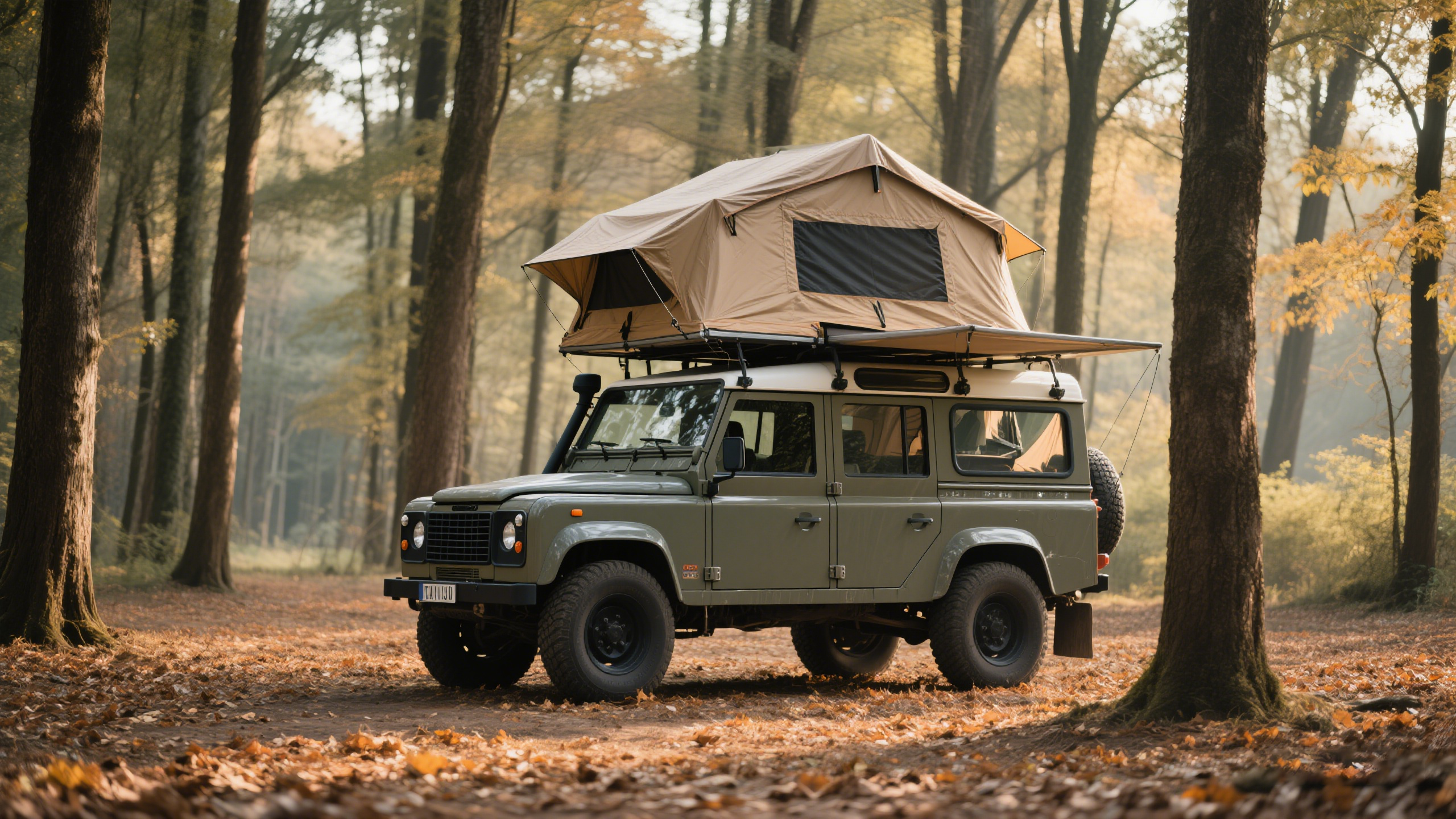
Security Advantages of Hard Shell Roof Top Tents
Integrated Locking Systems and Theft-Deterrent Construction
Hard shell roof top tents deliver superior theft resistance through purpose-built security architecture—unlike soft-shell alternatives, their rigid construction eliminates common attack vectors. Key features include:
- Tamper-resistant latches, engineered to resist prying and bypass attempts
- Hardened locks integrated directly into the shell frame—not add-ons—ensuring no external lock points for manipulation
- Reinforced hinges with stainless steel pins and anti-rotation geometry, resistant to leverage tools
The seamless, aerodynamic shell design removes external straps, zippers, or fabric flaps that could be cut or unzipped. Leading models use marine-grade aluminum alloys with interlocking panel systems, forming a unified structural barrier rather than an assemblage of vulnerable components.
Insurance Data and Field Reports on Theft Incidence
The numbers back it up too. Look at what's happening in actual overlanding circles these days. Soft shell tents get stolen way more often than their hard shell counterparts. Some community forums track this stuff, and they consistently see soft shell theft rates running over three times higher. The insurance claims data from last year tells a similar story. People who own hard shell rigs reported around 68% fewer losses related to theft. Makes sense when you think about it. Those hard shells just don't let thieves get away with slit-and-grab tactics that work so well on fabric tents. Plus, most modern hard shells come with visible locks built right into the design. Criminals tend to pass on targets that look secure. That's why many big insurance companies now give discounts of 10 to 15 percent for folks who install certified hard shell models properly. Just need to make sure all those security features are documented and installed correctly according to specs.
Durability Performance of Hard Shell Roof Top Tents in Extreme Environments
Material Resilience: Aerospace Aluminum vs. Composite Panels Under Wind, Impact, and Vibration
Most hard shell rooftop tents are built using either aerospace grade aluminum or some kind of advanced polymer composite materials. These materials get picked because they actually work well when things get rough mechanically speaking. The aluminum versions hold up pretty well even when winds hit around 75 mph or higher. They do this naturally because of how they handle vibrations. Composite panels handle impacts differently though. When something hits them hard like hail or random debris falling from above, these panels bend slightly instead of cracking completely. Tests have shown that aluminum can take about three times as much pressure before showing any dents compared to those softer shell alternatives out there. And when it comes to bouncing around on rough terrain, composites spread out vibrations about 40% better than other options, which means less wear and tear on where everything connects together. Both kinds of materials stand up to pretty serious impact tests too. Think about it like dropping a 2kg rock from just over a meter high onto the tent surface. Neither material lets anything penetrate through during these tests.
Long-Term Environmental Resistance: UV Stability, Corrosion, and Thermal Cycling (ASTM/ISO Verified)
When we want to know how materials hold up over time, accelerated aging tests give us insights into what happens during decades of exposure to tough environments. According to ASTM G154 standards for UV testing, composite panels maintain around 98% of their original tensile strength even after 3,000 hours under intense light. Powder coated marine grade aluminum also performs remarkably well, showing almost no signs of fading colors or damaged coatings throughout similar testing periods. Salt spray tests following ISO 9227 guidelines reveal that there's less than 0.1 mm of pitting after just 1,000 hours, which means these materials can withstand corrosion issues commonly found near coastlines or on roads treated with deicing salts during winter months. Testing temperature fluctuations from -30 degrees Celsius all the way up to 60 degrees Celsius simulates those extreme shifts seen when moving quickly from hot deserts to cold mountainous regions. The composite materials experience only minor dimensional changes (about 0.2 mm per meter) ensuring seals stay intact and functional. Independent labs have verified that hard shell designs continue to provide excellent waterproof protection through over 5,000 thermal cycles. These models actually perform three times better than traditional soft shell tents when it comes to surviving repeated freezing and thawing cycles, making them particularly suitable for adventurers who face unpredictable weather conditions.
Proven Longevity: Warranty Terms and Real-World Owner Reliability Data
Most manufacturers offer between 2 to 5 years warranty on their hard shell rooftop tents, which covers any issues with materials or craftsmanship. And honestly, this speaks volumes about how confident engineers are in these products lasting for years. Real world testing has shown pretty consistent results regardless of where people live. When taken care of properly, these tents stay completely waterproof and function mechanically even after hundreds of nights out there, surviving everything from intense sun exposure to dusty conditions and repeated freezing and thawing. People who own the aluminum versions find that their shells keep about 95% of their original strength after five whole years, which beats what happens to soft shell tents exposed to UV light over time. The locking systems on these hard shells are built tough too. Cold rated latches and those sealed mechanisms just keep working without fail, nobody has ever reported a broken zipper or stuck latch during tests at temperatures as low as minus 20 degrees Celsius. All this means lower overall costs for owners because maintenance basically boils down to checking seals once a year and occasionally greasing hinges. Soft shell models need constant fabric replacement though. Looking at adventure vehicle communities online, around 8 out of 10 hard shell owners say they get seven years or more of solid service without noticing any drop off in protection against weather, structural integrity problems, or security issues with locks and closures.
Operational Trade-Offs: Weight, Aerodynamics, and Vehicle Integration Impact
How Hard Shell Roof Top Tent Rigidity Affects Roof Rack Load Distribution and Chassis Stress
Structural rigidity improves security and lasts longer but comes with its own set of challenges when it comes to integration. Hard shell designs work differently than those flexible soft shells because they gather all those dynamic forces together, especially noticeable during rough terrain driving, quick stops, or when facing strong side winds. These forces create stress concentrations right at where the roof rack mounts onto the vehicle. The stiffness actually sends more vibrations straight into the mounting bolts and various vehicle joints, which wears down rack parts faster and puts extra twisting force on the chassis itself. Most car makers recommend checking those dynamic load numbers again after installation, particularly if someone plans on doing steep hill climbs or spending time in areas with constant crosswinds. If the mounting system isn't properly reinforced, tiny cracks might start forming in important weld spots or suspension connections eventually. Getting the weight distributed correctly across the vehicle's axle line matters a lot too, since poor balance leads to early wear problems in suspension bushings, control arms, and those crossbars holding everything up on top.
FAQ
Why are hard shell roof top tents considered more secure than soft shell tents?
Hard shell tents offer increased security due to their robust construction, integrated locking mechanisms, and tamper-resistant latches, which make them difficult for thieves to compromise.
Which materials are commonly used in hard shell roof top tents and why?
Aerospace-grade aluminum and composite panels are commonly used due to their durability, resilience against environmental factors, and high performance under stress.
Do insurance companies offer discounts for hard shell roof top tent installations?
Yes, many insurance companies provide discounts for certified installations due to their enhanced security features.
