EN
EN

Evaluating Soft Shell Versus Hard Shell Structural Designs
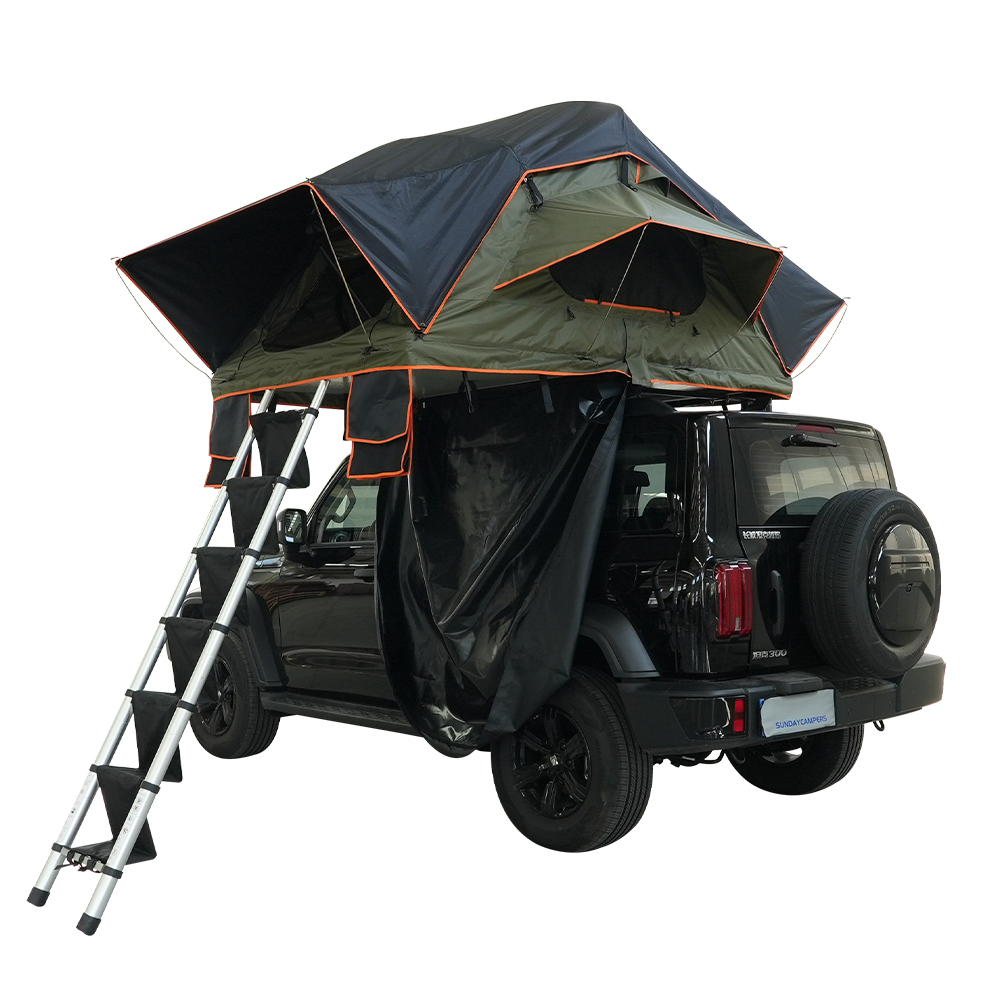
When buyers begin researching the right rtt option for their overlanding rigs, understanding the fundamental differences between soft shell and hard shell configurations is the essential first step. Soft shell variants typically fold out to offer expansive living space and generous annex options, making them popular among larger traveling parties who enjoy extended basecamps. Conversely, hard shell models utilize gas-strut mechanisms to pop straight up, providing robust aluminum or fiberglass protection against heavy winds and streamlined highway aerodynamics. Overlanding equipment consultants and gear analysts consistently emphasize that matching the structural shell style to your typical camping itinerary prevents buyer regrets and ensures long-term satisfaction on the road.
Assessing Weight Capacities and Vehicle Roof Load Limits
Every automobile manufacturer specifies strict dynamic and static weight limits for factory or aftermarket roof racks, making load calculations a critical purchasing factor. A heavy rtt can significantly alter a vehicle center of gravity and handling dynamics if it exceeds recommended thresholds. Automotive engineering specialists and safety authorities point out that buyers must cross-reference their vehicle payload capacity with the total mass of the shelter before finalizing any financial transaction. Reviewing these technical specifications safeguards suspension integrity, maintains highway fuel efficiency, and guarantees safe transportation across winding mountain passes and rough wilderness trails.
Analyzing Setup Speed and Mechanical Simplicity at Campsite
The physical effort required to pitch camp after a long day of driving varies dramatically across different rtt models available on the market today. Hard shell variants often deploy rapidly via integrated pneumatic pistons, whereas traditional folding soft shell styles require unbuckling travel covers, pulling out extension ladders, and occasionally securing manual support poles. Outdoor hospitality experts note that solo travelers or frequent movers often prioritize fast deployment mechanisms to minimize physical fatigue during evening arrivals. Evaluating your personal tolerance for campsite setup chores helps determine which mechanical system aligns best with your travel style.
Reviewing Interior Comfort, Mattress Quality, and Space
A restful night of sleep depends heavily on the internal dimensions, ventilation design, and mattress density built into your chosen rtt. Premium models typically feature high-density foam or self-inflating mattresses, anti-condensation mats, and large mesh windows that promote airflow while blocking insects. Travel comfort specialists stress that evaluating interior headroom and mattress thickness is vital, especially for taller individuals or couples sharing the sleeping quarters for multi-week journeys. Investing time in comparing mattress ergonomics ensures that your mobile bedroom delivers restorative rest regardless of outdoor weather conditions.
Factoring in Weather Resistance and Seasonal Versatility
Unpredictable meteorological shifts demand that any prospective rtt offers dependable protection against driving rain, heavy snowstorms, and intense ultraviolet radiation. High-grade ripstop canvas, sealed seams, and heavy-duty PVC rainflies are hallmark features of top-tier shelter options designed for multi-season overlanding. Equipment durability analysts highlight that examining fabric denier ratings, waterproof head ratings, and frame corrosion resistance prevents unexpected leaks during violent overnight storms. Selecting materials engineered to withstand harsh climates guarantees year-round adventure capabilities without compromising structural integrity.
Leveraging Advanced Manufacturing and Supply Chain Partnerships
Sourcing reliable outdoor adventure gear ultimately depends on collaborating with seasoned manufacturing leaders who understand the rigorous demands of overlanding engineering. Partnering with an experienced production source ensures that every structural component meets international quality standards. By leveraging the advanced engineering capabilities, strict quality control protocols, and dependable supply chain expertise of industry pioneers like ROOFTOPTENTFACTORY, outdoor brands and distributors can acquire a dependable rtt that drives long-term commercial success worldwide.
Table of Contents
- Evaluating Soft Shell Versus Hard Shell Structural Designs
- Assessing Weight Capacities and Vehicle Roof Load Limits
- Analyzing Setup Speed and Mechanical Simplicity at Campsite
- Reviewing Interior Comfort, Mattress Quality, and Space
- Factoring in Weather Resistance and Seasonal Versatility
- Leveraging Advanced Manufacturing and Supply Chain Partnerships