 EN
EN

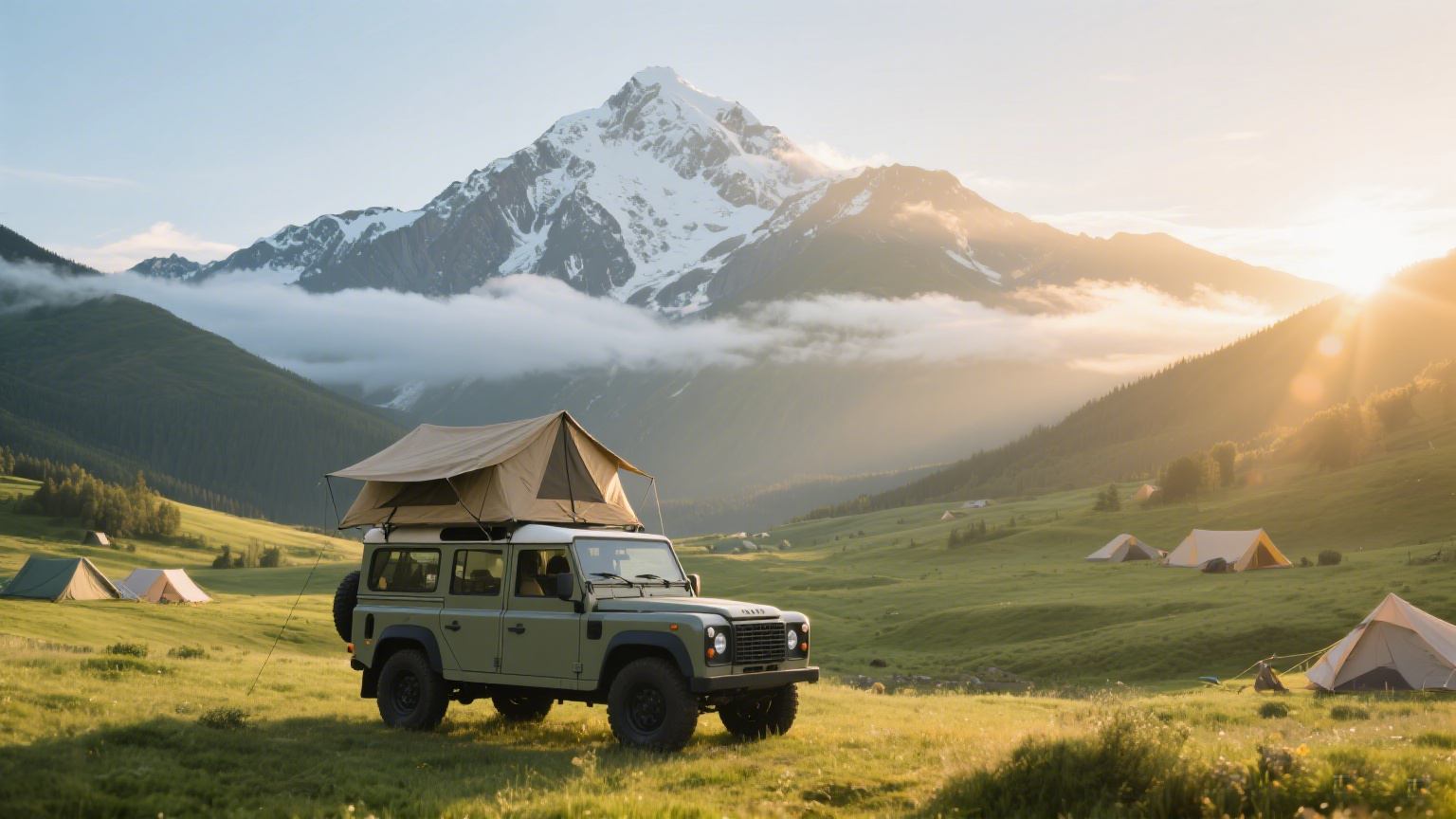
Pre-Setup Essentials: Site Selection, Vehicle Prep, and Gear Check
Getting an SUV tent set up right starts with good old fashioned prep work. First things first, check out where you're going to pitch camp. Look for level ground that won't wash away when it rains. Stay clear of those dips in the earth that collect water after a storm, plus all those rocks and roots that make it hard to get stakes properly anchored. Also watch out for tree branches hanging overhead that might drop leaves or worse during the night. Speaking of positioning, park the SUV so it acts like a shield against the wind. This helps take pressure off the sides of the tent, which makes a world of difference when gusts come through.
First things first, get the car ready. Give those roof rails, door frames, and hatch seals a good cleaning so the clamps stick properly and the weather seals work as they should. Don't forget to put the parking brake on solid, and if there's any slope at all, throw some wheel chocks under the wheels just to be safe while setting everything up. Take out anything heavy from the trunk area too. Leaving stuff back there can make the suspension sag, throwing off how the tent sits and making it wobbly when it shouldn't be.
Before heading out, take time to do a complete gear inventory. Spread everything out on the ground: poles, those little straps, rainfly, stakes, and those metal clamps that hold things together. Check off each piece against what's listed in the manual while looking closely for signs of wear. Pay special attention to where the poles connect, along the stitched seams, and around how the webbing attaches to things. According to Hella's research back in 2023, about 95 percent of problems during setup happen because something is either missing or damaged. Spending just ten minutes going through this checklist can save a lot of headaches later on when trying to put it all together in the middle of nowhere. And let's face it, nobody wants to deal with safety issues while struggling with broken equipment halfway through setting camp.
Step-by-Step SUV Tent Installation in Under 10 Minutes
Hatch Alignment and Frame Deployment
Line up the tent so it sits right against the back hatch of your SUV, making sure the attachment sleeve completely wraps around the edge of the liftgate. When unfolding the frame, work slowly and carefully as you slide each pole into its proper sleeve spot. They should snap into place with a satisfying click sound. Don't twist them or force the fabric since this can damage both materials. Leave about two to three inches of space all around the hatch area. This gap helps protect against wear and tear every time you open or close the hatch while keeping things watertight. Magnetic strips work great for getting everything aligned just right, or try those adjustable sleeves if needed. Getting this part right from the start makes all the difference later on when dealing with wobbles or leaks down the road.
Securing the SUV Tent to Your Vehicle with Clamps and Straps
Secure those heavy duty clamps onto roof rails or sturdy door frames only. Don't attach them to plastic parts or wiring harnesses since these won't hold up. Run the tension straps through the reinforced webbing loops then pull at an angle so weight spreads out across the whole structure. Tighten the ratchet buckles just enough until the fabric stops looking puckered, but be careful not to go too far as this can tear seams or bend metal rails. Give it a gentle side to side shake afterwards. If there's barely any movement, that means things are tight enough. With properly attached guy lines added in, good quality clamps should handle wind speeds well over 35 miles per hour without coming loose.
Safety-Critical Practices for Stable and Weather-Resilient Setup
Ensuring Level Ground, Parking Brake Engagement, and Hatch Clearance
When setting up the tent, there are three basic safety checks that just can't be skipped. First things first, check if the ground is actually flat. A simple bubble level works wonders here since uneven ground raises the chance of rolling over by around 34%, according to Outdoor Safety Institute data from last year. Next step? Get those parking brakes engaged and throw some wheel chocks down wherever there's even a slight incline. Nobody wants their rig moving around while they're trying to sleep or finish putting up camp. And finally, make sure those hatches work properly without anything blocking them. Clear out whatever might be stuck behind the tailgate, then give that liftgate a good test run before attaching the tent itself and again once everything feels secure. Keep emergency exits accessible at all times too these precautions stop about 9 out of 10 problems people report happening during setup.
Anchoring Techniques: Guy Lines, Stakes, and Wind/Rain Readiness
Get those anchors down right after setting up the frame while everything is still fresh in memory. When driving in those corrosion resistant stakes, angle them at around 45 degrees through the reinforced loops on the sides. Apply gentle but firm pressure rather than yanking hard which might tear the fabric material. If winds pick up above 25 miles per hour, it's time to bring out those adjustable guy lines and stretch them between opposite corners for better stability against sideways forces. Rain coming? Make sure to dig some shallow ditches around the edges so water runs off instead of pooling under the tent floor. And don't forget to fasten those rainfly attachments securely before any actual rain starts falling. According to field tests, tents that are properly anchored can handle about twice as much wind stress compared to ones that aren't secured well enough. Check the tightness regularly throughout the day, especially after strong gusts hit or when temperatures change significantly since ground conditions shift over time and materials react differently to weather changes.
Vehicle Compatibility Guide for Reliable SUV Tent Attachment
Not all SUV tents fit all SUVs—even when labeled “universal.” Real-world testing reveals frequent mismatches, especially with larger models like the Ford Expedition, Toyota Sequoia, or Chevrolet Tahoe, where tailgate tents often fall short in coverage, compromising weather sealing and structural integrity.
Before purchasing, measure your vehicle’s hatch width, liftgate height, and rear bumper-to-ground clearance. Match these precisely to the tent’s attachment sleeve dimensions and ladder extension range—especially critical for safe, stable entry/exit. A poorly adjusted ladder increases fall risk by up to 60% on uneven terrain.
When it comes to rooftop tents, make sure those roof rails or crossbars can handle at least what the tent manufacturer says they need to carry. That includes everyone inside plus all their stuff too. Most folks will want something rated for around 700 pounds if there are two people plus gear on board. For those hitting rough terrain regularly, look for models built with stronger aluminum frames and mounts designed to absorb vibrations from bumpy roads. Getting the right fit between tent and vehicle isn't just about convenience. Proper alignment reduces strain during travel, keeps everything locked down when strong winds hit, and honestly makes a big difference in how long the whole setup lasts. Compatibility really matters here for both safety reasons and making sure money spent actually pays off over time.
FAQs
What is the best ground surface for setting up an SUV tent?
Choose level ground that won't wash away during rain, avoiding dips that collect water, rocks, and roots.
What should I do if my SUV tent seems unstable?
Ensure heavy duty clamps are secured to roof rails or sturdy door frames, and check the tension straps are properly tightened.
How do I match my SUV with a tent to ensure compatibility?
Measure your vehicle's hatch width, liftgate height, and rear bumper-to-ground clearance and match these with the tent's attachment sleeve dimensions.
What are the safety checks required during tent setup?
Check for level ground, engage parking brakes, use wheel chocks, ensure hatch clearance, and keep emergency exits accessible.
