 EN
EN

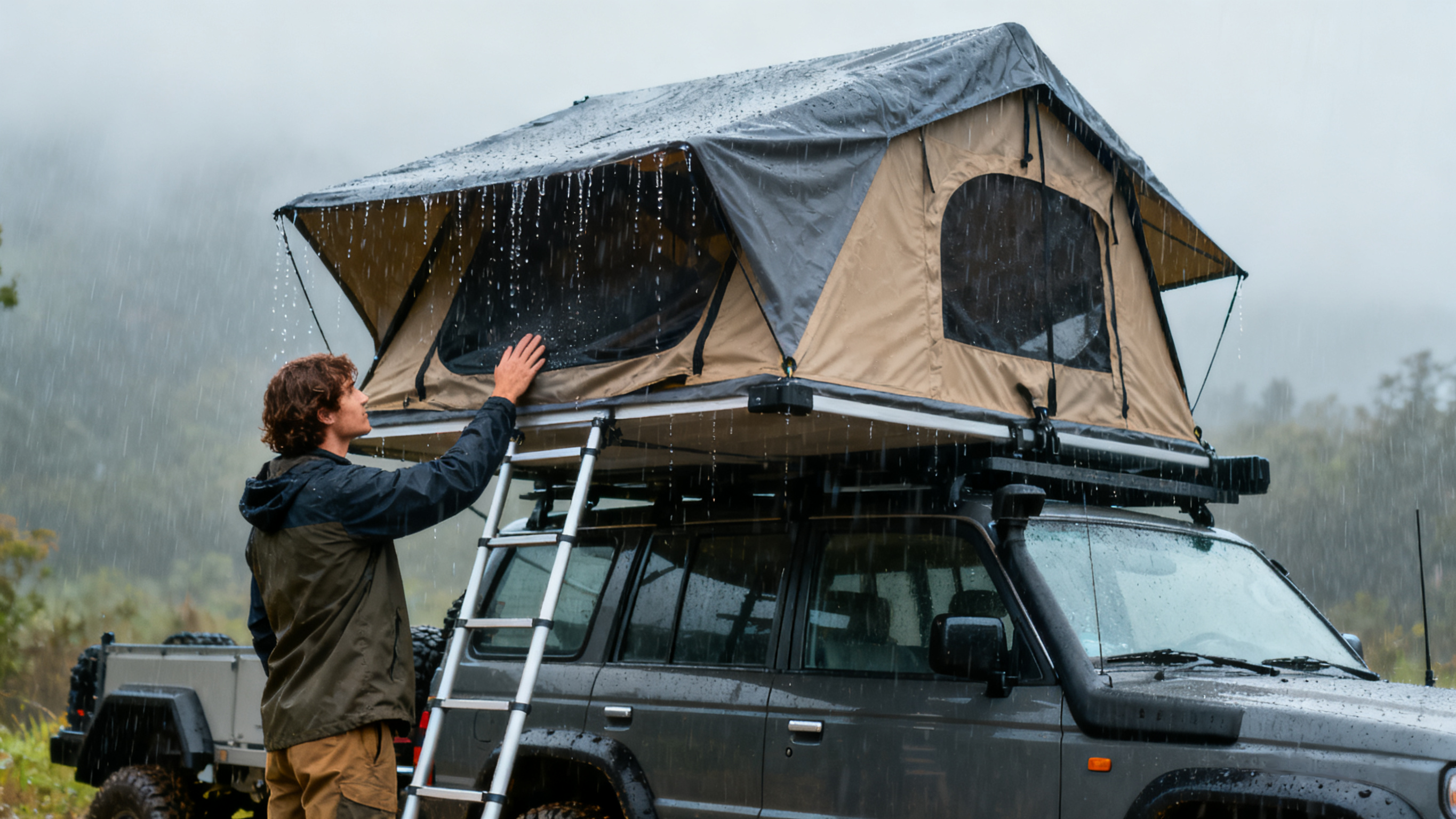
Understanding the Car Tent Setup Process
What Is a Car Tent and How Does It Differ from Traditional Camping Tents?
Rooftop tents, or RTTs for short, are basically portable shelters attached right on top of a car's roof rack system. Traditional ground tents need flat ground and take forever to put together, but these rooftop models just pop out from their installed base. According to some recent testing by Outdoor Gear Lab back in 2023, setup times can drop around 70%. The fact that they sit high above the ground means campers stay dry when it rains and avoid those pesky critters digging around at night. Plus, nobody has to worry about finding level ground anymore since everything's already mounted securely on the vehicle itself.
Step-by-Step Overview of Rooftop Car Tent Deployment
Deploying an RTT involves four key stages:
- Hardware Preparation: Confirm crossbar alignment and torque mounting bolts to 25–30 Nm, per most manufacturers’ specifications.
- Tent Positioning: Lift the folded unit onto the roof rack using two people or a hydraulic assist tool.
- Securing: Attach brackets to crossbars with even weight distribution.
- Deployment: Unfold the structure and lock support poles into place.
Beginners typically take 15–20 minutes, but experienced users can complete setup in under 7 minutes.
Why Fast Setup Matters for Solo Travelers and Road Trippers
Solo adventurers lose an average of 34 minutes daily on inefficient gear setups (2023 RVIA Efficiency Report). Car tents minimize this delay by enabling rapid deployment in changing weather or low-light conditions. Their integrated design also reduces teardown time by 65%, allowing more time for exploration.
Preparing Equipment and Vehicle for Car Tent Installation
Essential Tools and Gear Needed for Quick Car Tent Setup
Start with a ratchet set, torque wrench, and a ladder rated for your vehicle’s height. Anti-slip gloves and a laser level improve precision, especially when working alone. Store small components like clamps and spacers in labeled pouches–this simple step cuts setup time by 37% in field tests.
Inspecting Roof Rack, Cross Bars, and Mounting Hardware
Inspect roof rails for cracks or corrosion, particularly at weld points where 83% of structural failures occur (Outdoor Safety Council 2023). Measure crossbar spacing against your tent’s bracket requirements, keeping deviations under 1/4 inch. Tighten all fasteners to manufacturer torque specs; under-tightened bolts contribute to 29% of roadside installation failures.
Ensuring Compatibility Between Car Tent and Vehicle System
The vehicle needs to handle more weight than what the tent plus people will put on it. Most SUVs and trucks can take around 165 to 330 pounds, but those crossover models usually only manage about 110 pounds when sitting still. Recent studies show that almost half of all problems with rooftop tents come down to rail system mismatches so don't forget to try fitting everything together before hitting the road. And if someone has a car with that big glass roof, make sure the bottom part of the tent isn't covering any emergency exit points either.
Mounting and Securing the Car Tent Safely on Your Vehicle
Step-by-Step Guide to Attaching a Car Tent to Roof Bars
Place the camping tent right in the middle of those roof bars for best results. Nearly all setups come with these sliding mounts that attach to the crossbars, usually needing two brackets at each connection spot. When tightening those nuts with a wrench, follow what the manual says but watch out for when the metal plate starts to bend just a little bit - that's actually a good sign it's properly tightened. Two people definitely make this job easier since one person can hold everything steady while the other works on securing the hardware. Safety first here folks!
Proper Alignment and Fastener Tightening Techniques
Misaligned crossbars cause 73% of rooftop tent failures (2023 Rooftop Safety Report). Ensure bars are parallel and spaced according to your tent’s specifications before tightening. Use a torque wrench for even pressure–over-tightening damages threads, while under-tightening risks detachment. Check alignment twice: once before fastening and again after initial tightening.
Verifying Stability and Load Security After Installation
Perform a 10-degree shake test by pushing the tent laterally and vertically. Movement should not exceed 1 inch. Recheck all mounting points with a hex key. For added safety, attach secondary safety cables through reinforced eyelets, even if not required by your model.
Common Mistakes in Car Tent Mounting and How to Avoid Them
An analysis of 500 rooftop tent incidents revealed three frequent errors:
- Using incompatible roof racks (42% of cases)
- Skipping the manufacturer-recommended break-in period for hardware (31%)
- Ignoring temperature-induced metal expansion (27%)
Test your setup on short drives before long trips and re-torque fasteners after the first 50 miles.
Deploying the Car Tent Quickly and Safely at Camp
Streamline deployment by balancing speed with safety. These proven methods help establish shelter efficiently while minimizing risk.
Efficient Techniques for Unfolding and Extending the Car Tent
Release tension straps and allow the tent to self-expand–a feature in 78% of modern models. Move clockwise around the vehicle to evenly distribute fabric and reduce wrinkles. Deploy the ladder last to maintain stability during extension.
Safety Tips for Working at Height During Car Tent Setup
Engage the parking brake and use wheel chocks before climbing. Ascend the ladder using a three-point contact system, and consider wearing a fall-arrest harness on slopes. A 2023 camping safety study found that 62% of setup-related injuries occur due to improper footwear during roof access.
Managing Wind, Slope, and Weight Limits During Deployment
Park perpendicular to prevailing winds to reduce sail effect. On slopes over 10°, use tire leveling blocks instead of adjusting tent struts. Never exceed your roof rack’s static weight rating, which averages 165 lbs per linear foot across major vehicle models, according to industry standards.
How to Assemble a Car Tent in Under 10 Minutes: Pro Tips
- Pre-attach rainfly clips during takedown for instant deployment
- Use color-coded straps for intuitive tension adjustment
- Store tools in magnetic roof-mounted pouches
Regular practice enables setup times of 7–9 minutes–45% faster than first-time users, based on field data.
Optimizing Future Setups for Speed and Reliability
Practicing at Home to Improve Field Deployment Efficiency
Rehearsing assembly at home reduces real-world setup time by up to 65% (2023 Outdoor Industry Report). Dedicate 20–30 minutes weekly to practicing unfolding, anchoring, and dismantling. Simulate challenges like low light or uneven ground to build muscle memory.
Using Pre-Packed, Labeled Kits for Faster Access
Organize components into color-coded pouches by setup phase–foundation, frame, canopy. Pre-sorted kits cut tool search time by 82% among 500 surveyed campers. Include:
- Ratchet straps with pre-measured lengths
- Torque wrench preset to manufacturer specs
- Weatherproof checklist for connection verification
Trend: Hydraulic Lifts and Auto-Deploy Systems in Modern Car Tents
Top manufacturers now offer one-touch hydraulic systems that erect the main structure in 90 seconds–70% faster than manual setups. These automatically adjust platform height, distribute weight evenly, and lock joints at optimal tension. Early adopters report 40% fewer alignment errors.
Case Study: Solo Traveler Sets Up Car Tent in 7 Minutes on Uneven Terrain
During a 2024 Arizona desert expedition, a solo traveler achieved a sub-8-minute setup using three strategies:
- Pre-mounted tent base (saved 3.1 minutes)
- Quick-release buckles instead of threaded fasteners (saved 2.6 minutes)
- Triangular stabilizer legs for slope compensation
Best Practices for Consistently Fast and Secure Car Tent Setups
- Conduct monthly hardware inspections using the Camping Safety Institute’s 10-point checklist (2022)
- Track setup times after each trip to identify inefficiencies
- Replace nylon straps every 18 months or after 50 uses
- Confirm load limits match your vehicle’s roof capacity plate
- Attend annual workshops on emerging car tent technologies
Note: Always consult your specific car tent manual–design updates occur twice yearly in this rapidly evolving sector.
FAQ
What are the key benefits of using a rooftop car tent?
Rooftop car tents offer quick setup, keep campers dry and elevated from ground critters, and eliminate the need to find level ground for pitching a tent.
How long does it typically take to set up a rooftop car tent?
For experienced users, setup can take under 7 minutes. Beginners may take between 15-20 minutes.
What tools are essential for setting up a car tent?
You will need a ratchet set, torque wrench, ladder, anti-slip gloves, and a laser level for precision.
What common mistakes should be avoided when installing a car tent?
Avoid using incompatible roof racks, skipping break-in periods for hardware, and ignoring temperature-induced metal expansion to prevent issues.
Table of Contents
- Understanding the Car Tent Setup Process
- Preparing Equipment and Vehicle for Car Tent Installation
- Mounting and Securing the Car Tent Safely on Your Vehicle
- Deploying the Car Tent Quickly and Safely at Camp
-
Optimizing Future Setups for Speed and Reliability
- Practicing at Home to Improve Field Deployment Efficiency
- Using Pre-Packed, Labeled Kits for Faster Access
- Trend: Hydraulic Lifts and Auto-Deploy Systems in Modern Car Tents
- Case Study: Solo Traveler Sets Up Car Tent in 7 Minutes on Uneven Terrain
- Best Practices for Consistently Fast and Secure Car Tent Setups
- FAQ
