EN

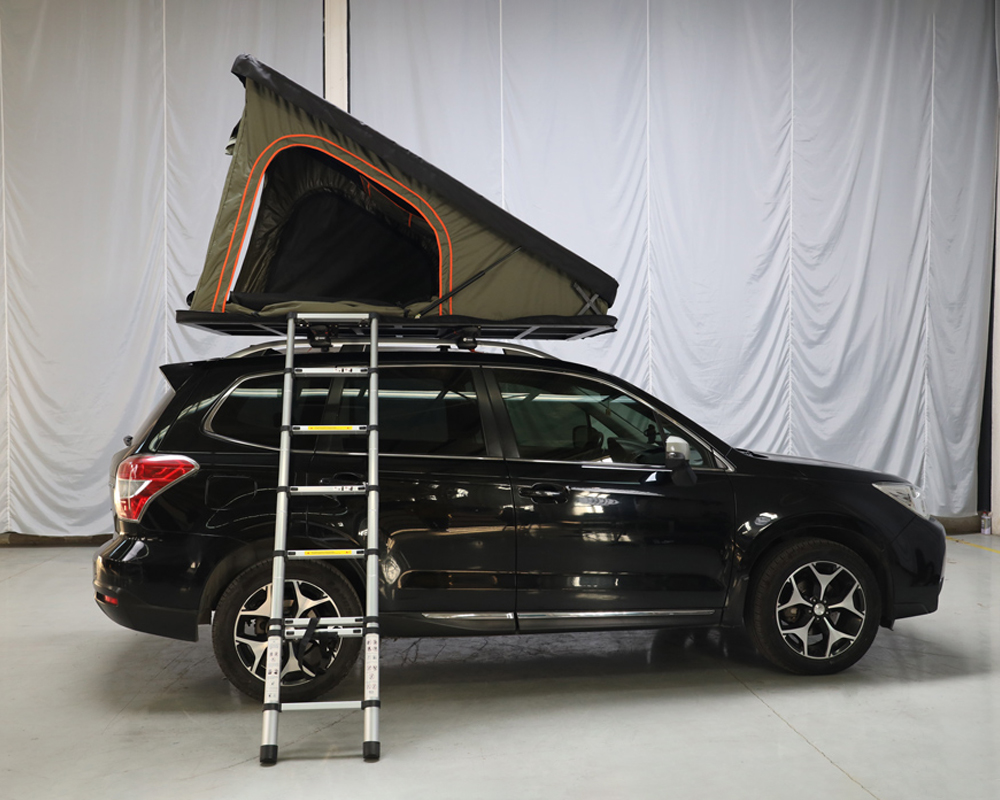
Premium Materials: Durability and Weather Resistance for Long-Term Reliability
A premium vehicle roof tent starts with materials engineered to withstand intense UV exposure, heavy rain, and repeated packing. In 2023 outdoor-equipment testing, fabrics with UV-stabilized coatings showed significantly less color fade and tear-strength loss than uncoated alternatives after extended sun exposure—distinguishing a tent that remains weatherproof for five seasons from one that leaks or sags within two. Two material attributes matter most: the face fabric and the waterproofing system.
Ripstop Fabric with UV-Resistant Coatings for Extended Outdoor Exposure
Ripstop fabric uses a reinforced grid of thicker threads to stop small punctures from becoming large tears. Premium tents typically use 210D or 280D ripstop polyester or nylon—offering 20–30% greater tear resistance than plain-weave equivalents at the same weight, without adding bulk. Yet UV radiation rapidly degrades uncoated synthetics, causing brittleness and fading. A factory-applied UV-resistant coating—usually polyurethane or silicone-based—slows this degradation and helps the shell stay taut and resilient. In high-altitude and desert environments, where UV exposure is constant, the combination of ripstop construction and factory coating is essential. Look for an even, non-sticky finish and visible reinforcement around stress points. Avoid relying on aftermarket sprays as primary protection; they wear off faster than integrated treatments. For long-term reliability, the face fabric should also resist abrasion from tree branches and rack hardware during setup and transport.
Hydrostatic Head Rating >3000 mm and Fully Sealed Seams for All-Weather Protection
Hydrostatic head (HH) measures how tall a column of water a fabric can support before leaking. A rating above 3000 mm is the industry benchmark for heavy rain and wind-driven moisture. But fabric rating alone doesn’t guarantee waterproofing—needle holes along seams create entry points for water. That’s why premium roof tents use fully sealed, heat-taped seams on both the rainfly and canopy. In practice, a tent with a 5000 mm HH but unsealed seams will still leak; one rated at 3000 mm with taped seams performs more reliably. Look for seam tape along every major joint and reinforced corners.
| HH rating | Protection level |
|---|---|
| Below 1000 mm | Light drizzle only |
| 1000–3000 mm | Moderate rain |
| Above 3000 mm | Heavy rain and wind-driven moisture |
Fully sealed seams prevent hydrostatic pressure from forcing water through stitching—especially critical where roof tension concentrates stress. This pairing of high-rated fabric and precision-sealed construction delivers dependable all-weather performance without unnecessary weight.
Structural Integrity: Wind Stability and Secure Mounting for Any Vehicle Roof Rack
Aerodynamic Framing Tested to Withstand 60+ mph Gusts
A premium vehicle roof tent must remain stable under shifting wind loads—from steady highway flow to sudden lateral gusts. Aerodynamic framing isn’t about aesthetics; it minimizes lift, drag, and buffeting that can loosen mounts or tear fabric. Leading manufacturers shape extruded aluminum crossbars and low-profile side rails to direct airflow over the shell—not underneath it. Many designs undergo wind-tunnel testing at sustained 60 mph (97 km/h), with simulated 20+ mph crosswind bursts—exceeding typical highway and exposed ridgeline conditions. Because aerodynamic force rises with the square of velocity, a 60 mph gust exerts roughly 2.25× the load of a 40 mph breeze. Reinforced corner joints, tapered nose caps, and tensioned fabric panels further suppress flapping and stress concentration. This holistic approach reduces noise, improves fuel efficiency, and ensures stability across deserts, mountains, and open highways. Frames should also pass cyclic fatigue testing simulating repeated side loads and temperature swings. Premium builds use anodized or powder-coated aluminum for corrosion resistance—without compromising strength or weight.
Modular, Universal Mounting Hardware Compatible with Thule, Yakima, and Front Runner Systems
Modular, universal mounting hardware allows secure attachment to diverse roof rack systems—no permanent modifications required. Rather than proprietary brackets, top-tier kits include slotted aluminum rails, stainless steel T-bolts, and adjustable clamps that slide along crossbars. This design accommodates channel widths from 20 mm to 45 mm and fits aerodynamic bars, square bars, and platform rails from Thule, Yakima, Front Runner, and other leading systems. Installation must respect both the rack’s dynamic load rating and the vehicle’s roof limit—many overland setups reference a 165 lb (75 kg) per-rack dynamic capacity. Locking knobs, rubber isolators, and backing plates reduce vibration, prevent loosening, and protect crossbar finishes. Since no drilling is needed, the tent can be moved between vehicles or removed for daily driving. Torque checks before each trip—and periodic re-tightening—maintain security on washboard roads and rocky trails. This modular approach supports repeatable, rattle-free mounting across trucks, SUVs, and adventure vans. A universal channel design also minimizes misalignment risk under load. Always match hardware to your rack’s crossbar profile and verify compatibility with your vehicle’s dynamic roof rating.
Comfort & Usability: Smart Design Features That Elevate the Overnight Experience
A premium vehicle roof tent balances rugged protection with livable comfort. Thoughtful lighting and sleep systems are often what distinguish a basic rooftop shelter from a restful basecamp.
Integrated Dimmable LED Lighting with Low-Power Circuitry
Integrated dimmable LED lighting provides adjustable illumination without draining the vehicle battery. Efficient low-power circuitry draws under 0.5 amps at full brightness—enabling multi-night trips without compromising auxiliary power. Dimmable settings support soft ambient light for reading or warmer output for meal prep. Even low-lumen LEDs deliver ample visibility in compact interiors while preserving night vision and minimizing glare. Sealed switches and corrosion-resistant wiring ensure reliability in damp or dusty conditions. Independent 2023 field tests found efficient LED modules extend usable battery life by 30–40% versus older incandescent systems. A well-designed setup includes red-light mode to reduce insect attraction and preserve dark-sky adaptation. Controls must be reachable from the sleeping area, and wiring routed away from folding mechanisms to avoid pinching or damage.
High-Density Memory Foam Mattress (≥3") and Dual-Zone Ventilation for Thermal Regulation
Sleep quality in a vehicle roof tent hinges on mattress support and airflow. A high-density memory foam mattress of at least 3 inches distributes body weight, reduces pressure points, and insulates against the platform below. High-density foam resists compression-set better than low-density alternatives—maintaining resilience over years of use. Dual-zone ventilation uses separate intake and exhaust points to draw fresh air through the tent while expelling humid exhaled air. This cross-flow design actively combats condensation—a frequent complaint in enclosed rooftop shelters. Independent 2024 comfort testing found mattresses with ≥3" high-density foam reduced pressure-point discomfort by ~25% during side sleeping. Breathable, moisture-wicking covers enhance thermal regulation by moving sweat away from the skin. For warm nights, open both vents to maximize passive airflow; for cooler conditions, partially close one zone to retain warmth without trapping moisture. Together, these features sustain a drier, more comfortable sleeping environment—night after night.
Frequently Asked Questions (FAQ)
What is ripstop fabric and why is it important?
Ripstop fabric is a material reinforced with a grid of thicker threads to prevent small punctures from becoming large tears. It is important for durability and resistance to outdoor elements like UV radiation and abrasion.
What does a hydrostatic head rating indicate?
The hydrostatic head rating measures how tall a column of water a fabric can support before leakage occurs. Ratings above 3000 mm are ideal for heavy rain and wind-driven moisture.
Why is aerodynamic framing essential for roof tents?
Aerodynamic framing minimizes lift, drag, and fabric stress under shifting wind loads, ensuring stability and reducing noise during travel.
Can roof tents be mounted on any vehicle?
Yes, premium roof tents feature modular, universal mounting hardware compatible with various roof rack systems, such as Thule, Yakima, and Front Runner.
How do dual-zone ventilation systems improve comfort?
Dual-zone ventilation systems facilitate fresh air intake and humid air exhaust, combating condensation and ensuring a comfortable sleeping environment.