EN
EN

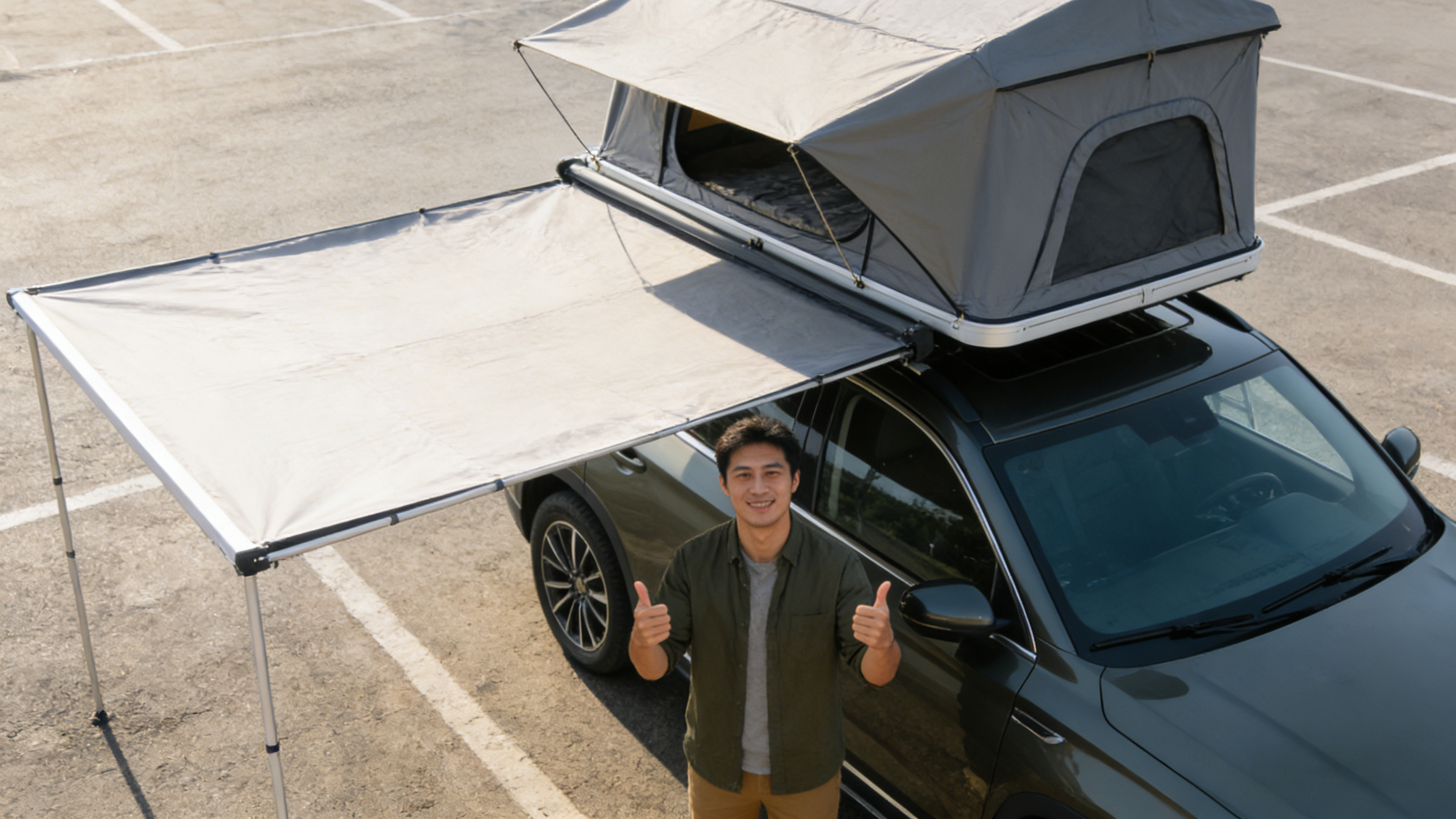
¿Qué tecnologías antienvejecimiento prolongan la vida útil de la carpa de techo para automóvil?
Para el aventurero empedernido, una toldo para coche representa mucho más que una simple sombrilla; es una extensión vital del vehículo que define la utilidad de un campamento al aire libre. Sin embargo, este equipo está sometido constantemente al implacable embate de los elementos naturales más agresivos. Desde la intensa radiación ultravioleta (UV) de alta altitud hasta la acción erosiva de la sal, el polvo y la humedad persistente, un artículo de equipo para exteriores enfrenta un entorno diseñado para acelerar su deterioro físico. Sin la integración de ciencias avanzadas de materiales, incluso el tejido y el bastidor más resistentes acabarán sucumbiendo a la fragilidad, la pérdida de color y el fallo estructural. Para garantizar que un conjunto para exteriores siga siendo un activo funcional y de alto rendimiento durante años, los fabricantes han recurrido a tecnologías antienvejecimiento sofisticadas que transforman radicalmente la forma en que el equipo interactúa con el mundo natural.
Integración avanzada de polímeros absorbentes de UV
La fuerza más destructiva para los textiles de exterior es la fotodegradación. Durante largos períodos, los rayos UV de alta frecuencia penetran la estructura molecular de las fibras sintéticas estándar, rompiendo efectivamente los enlaces químicos que proporcionan al material su resistencia a la tracción y elasticidad. La ingeniería moderna ha pasado de los simples tintes de superficie. Hoy es el primer nivel toldo para coche los tejidos incorporan polímeros de alto rendimiento que absorben los rayos UV directamente en la formulación de fibra. Estos actúan como escudos que operan a nivel molecular; interceptan y neutralizan la radiación antes de que tenga la oportunidad de alterar la composición química del material. Este proceso conserva la vitalidad del tejido y mantiene la integridad mecánica del tejido, asegurando que el material permanezca flexible y resistente al desgarro a pesar de la exposición prolongada a la luz solar directa.
Nanotecnología hidrófoba y mitigación de la humedad
El agua rara vez es un problema aislado; actúa como catalizador del envejecimiento biológico. Cuando la humedad queda atrapada dentro de la trama de un tejido, crea un entorno propicio para el moho, el moho negro y el crecimiento microbiano, los cuales pueden descomponer tanto fibras orgánicas como sintéticas. Los tratamientos convencionales impermeabilizantes, como los recubrimientos superficiales temporales, suelen desgastarse tras un uso repetido. En cambio, la nanotecnología hidrofóbica avanzada fusiona agentes repelentes al agua y no adherentes en el núcleo mismo de la trama del tejido. Esto genera una tensión superficial tan extrema que las gotas de agua conservan una forma esférica perfecta y se deslizan instantáneamente, evitando la saturación. Al mantener el tejido seco a nivel microscópico, esta tecnología previene el crecimiento biológico ambiental, deteniendo eficazmente el proceso de deterioro que normalmente compromete el equipo para exteriores.
Anodización electroquímica para durabilidad estructural
El proceso de envejecimiento de una marquesina no se limita al toldo; el bastidor metálico que sostiene el conjunto es igualmente vulnerable. La exposición a la humedad, a la lluvia ácida o al aire cargado de sal provoca oxidación, que se manifiesta como corrosión estructural y articulaciones mecánicas atascadas. El estándar para prevenir esto es la anodización electroquímica. A diferencia de la pintura industrial tradicional, que se aplica sobre la superficie del metal y puede descascararse, la anodización es una transformación electroquímica de la propia superficie de aluminio. Crea una capa de óxido extremadamente dura, similar a la cerámica, integrada en la estructura metálica. Esta barrera es impermeable al oxígeno y a la humedad, garantizando que los brazos telescópicos y las bisagras funcionen con suavidad y coherencia estructural durante toda la vida útil del producto.
Tejidos sintéticos e integridad mecánica
En el campo, los accidentes mecánicos son una realidad. Una rama afilada, una roca abrasiva o la fricción durante el transporte pueden provocar microdesgarros en el tejido. En un material estándar, estas perforaciones se convierten en concentraciones de tensión que se expanden rápidamente, lo que conduce a una falla estructural. La ciencia moderna de materiales ha introducido tejidos de alta tenacidad con tecnología ripstop. Estos tejidos están diseñados con un patrón de malla equilibrado y reforzado que atrapa físicamente un desgarro, impidiendo que se propague a través del material. Además, estos polímeros sintéticos están formulados para ofrecer una alta resistencia al impacto, lo que permite que el conjunto de toldo absorba golpes mecánicos repentinos —como ráfagas de viento— sin sufrir deformaciones permanentes. Esta resistencia es un requisito fundamental para mantener la vida útil funcional de cualquier refugio móvil exterior de alto rendimiento.
Excelencia en fabricación con RooftopTentFactory
Lograr una fiabilidad real y duradera durante varios años en equipos para exteriores requiere un enfoque sofisticado de la ciencia de materiales y la ingeniería de precisión. Aquí es donde fabricantes especializados como RooftopTentFactory se distinguen al priorizar estas tecnologías integradas contra el envejecimiento en cada etapa de su ciclo de producción. Al aprovechar recubrimientos poliméricos superiores, estructuras anodizadas resistentes a la corrosión y tejidos ripstop de alta tenacidad, garantizan que cada toldo para coche que sale de sus instalaciones esté diseñado para resistir los diversos y exigentes entornos a los que se enfrentan los viajeros de todo el mundo. Elegir equipamiento de RooftopTentFactory no es simplemente una compra; es un compromiso con la consistencia en el rendimiento. Su riguroso enfoque en la longevidad de los materiales y la transparencia de la cadena de suministro asegura que los exploradores puedan confiar en que su equipamiento les brindará refugio y comodidad año tras año, convirtiendo cada pieza de hardware en un activo duradero y de largo plazo para cualquier expedición.
Tabla de contenidos
- ¿Qué tecnologías antienvejecimiento prolongan la vida útil de la carpa de techo para automóvil?
- Integración avanzada de polímeros absorbentes de UV
- Nanotecnología hidrófoba y mitigación de la humedad
- Anodización electroquímica para durabilidad estructural
- Tejidos sintéticos e integridad mecánica
- Excelencia en fabricación con RooftopTentFactory