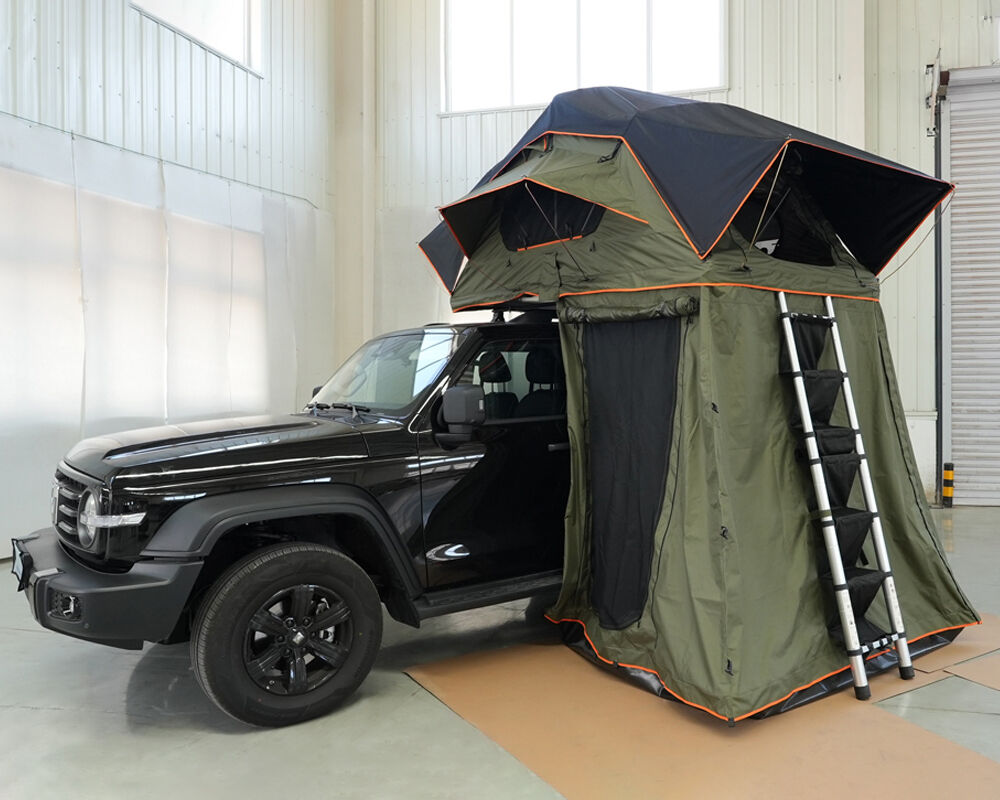
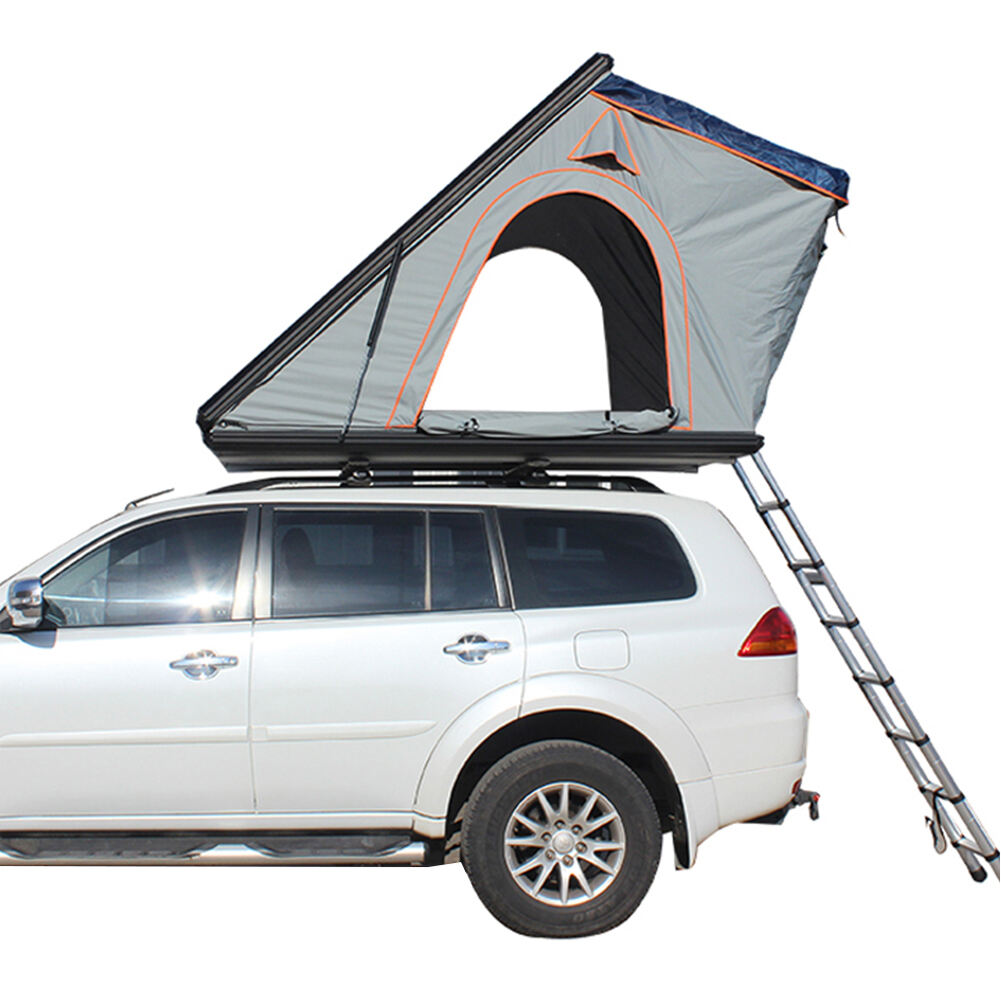
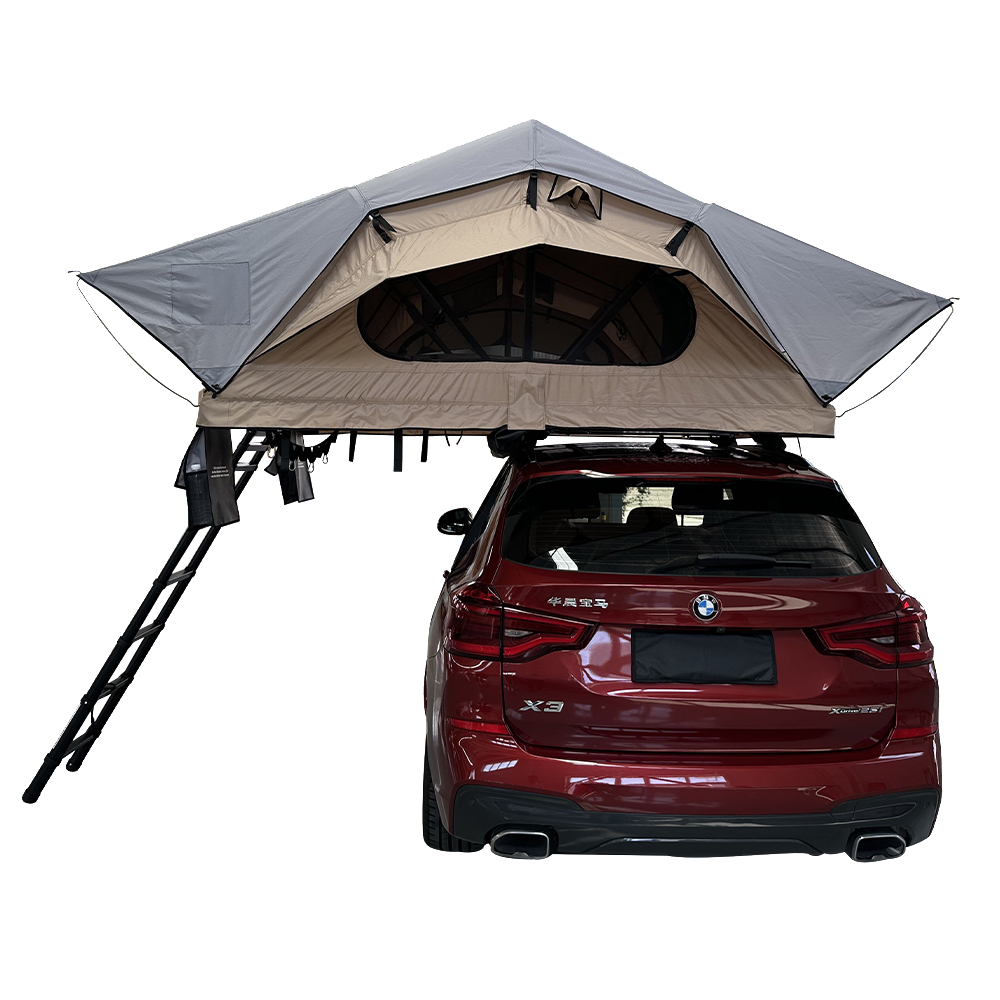
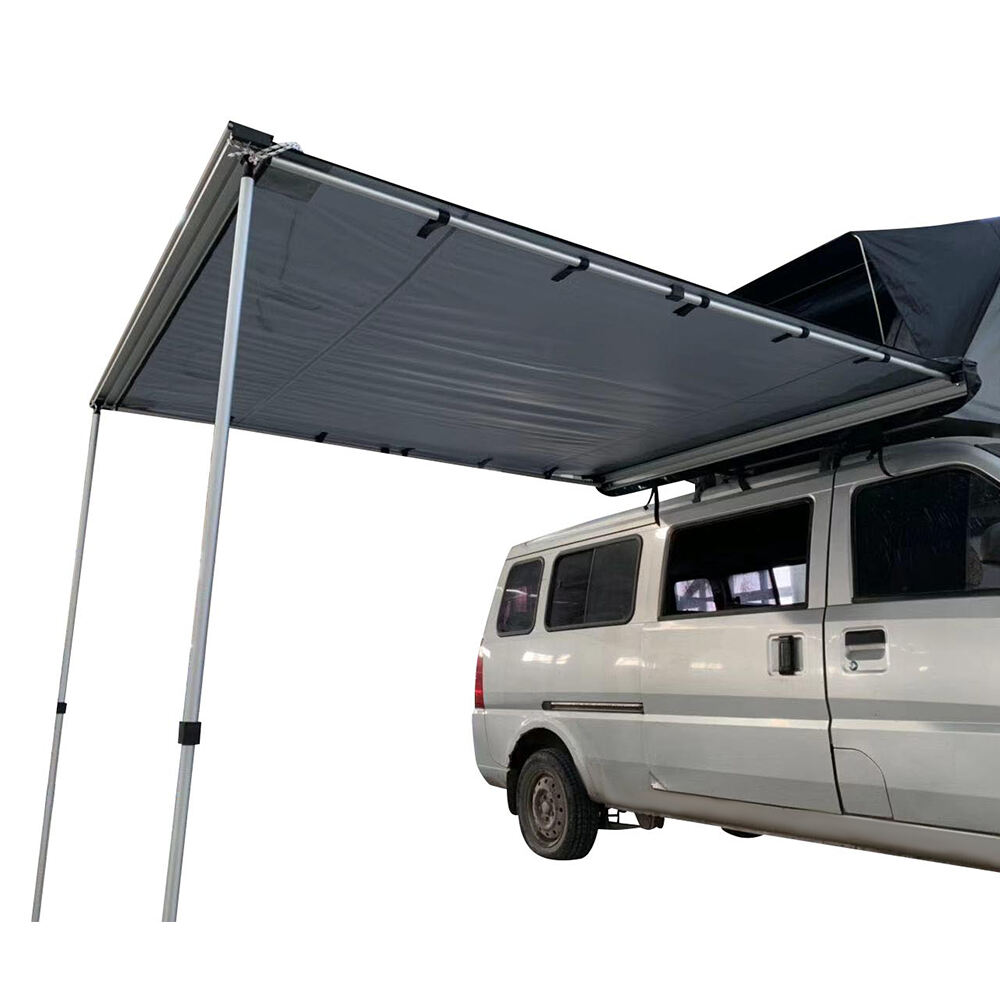
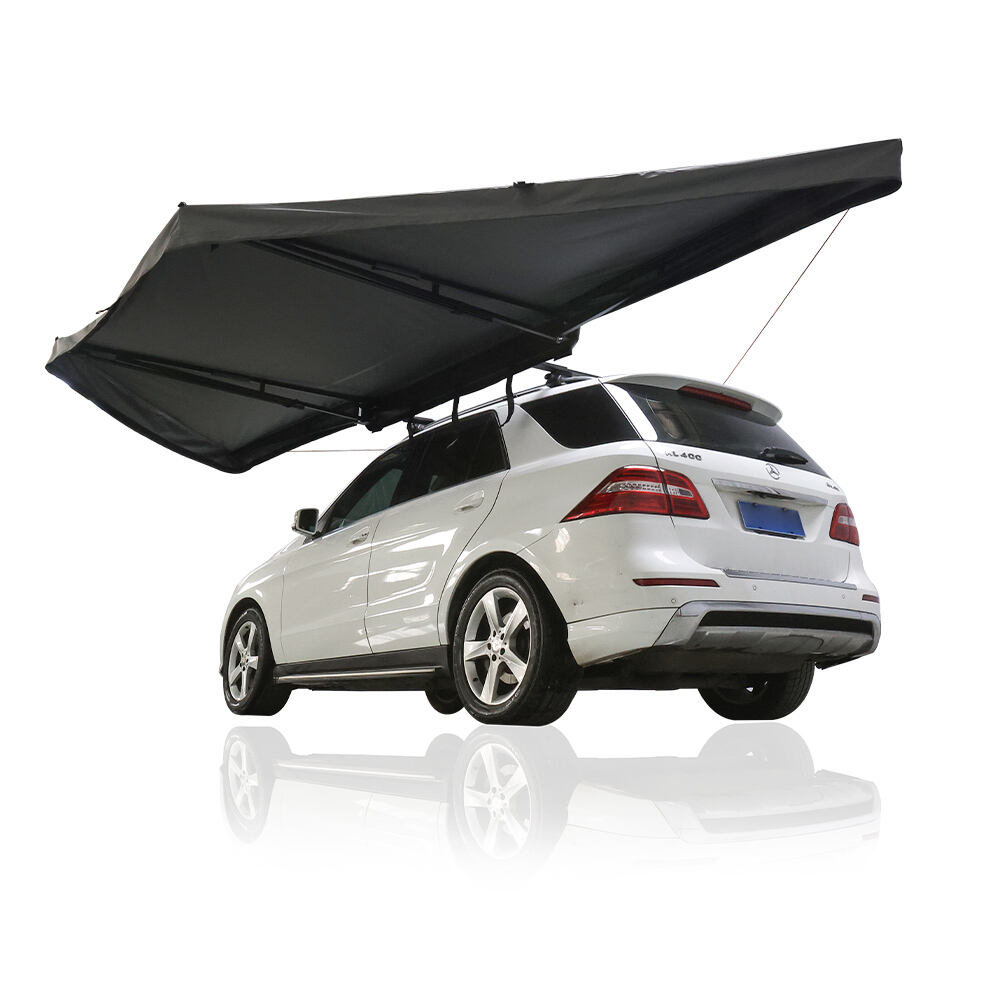
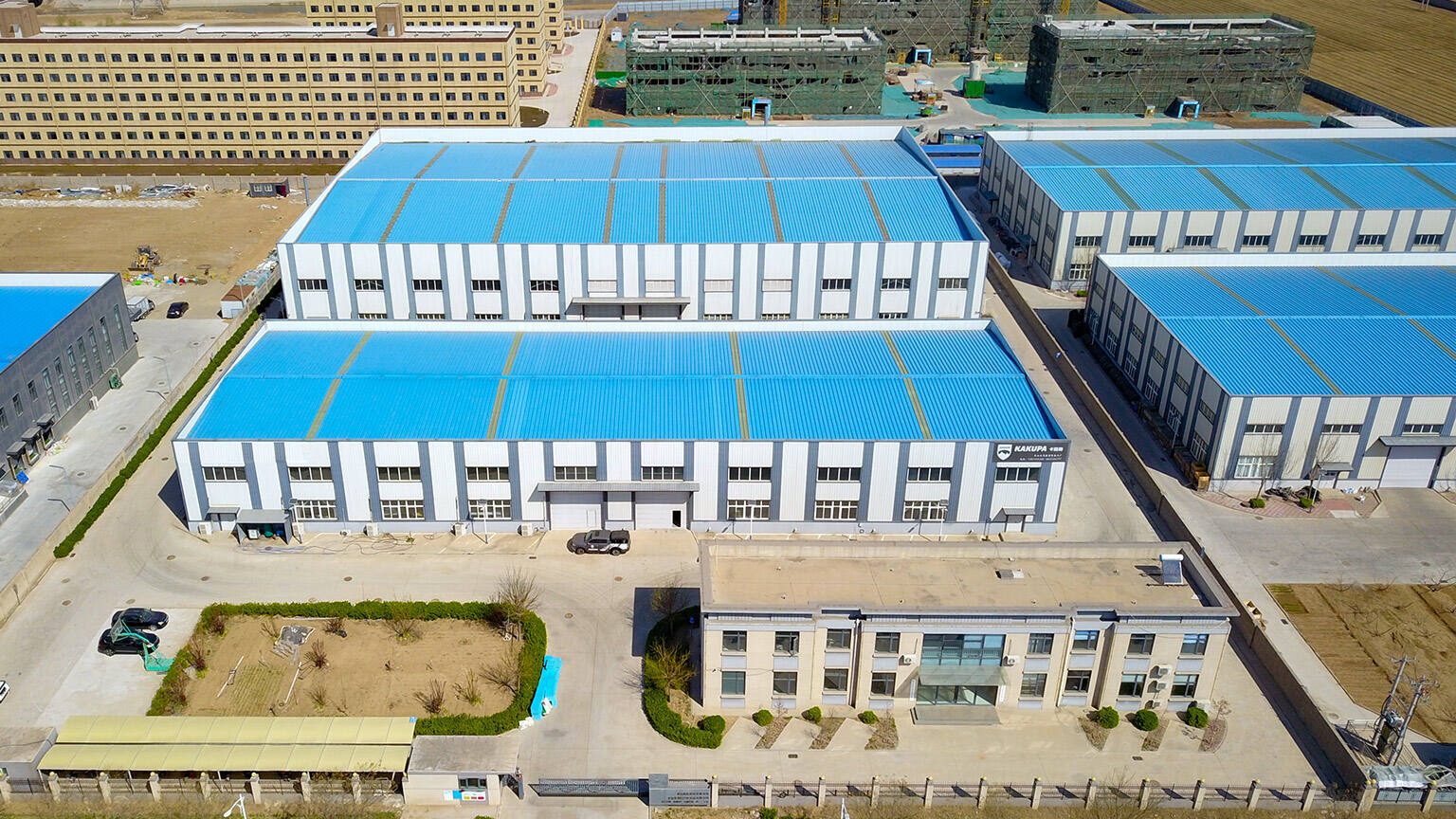
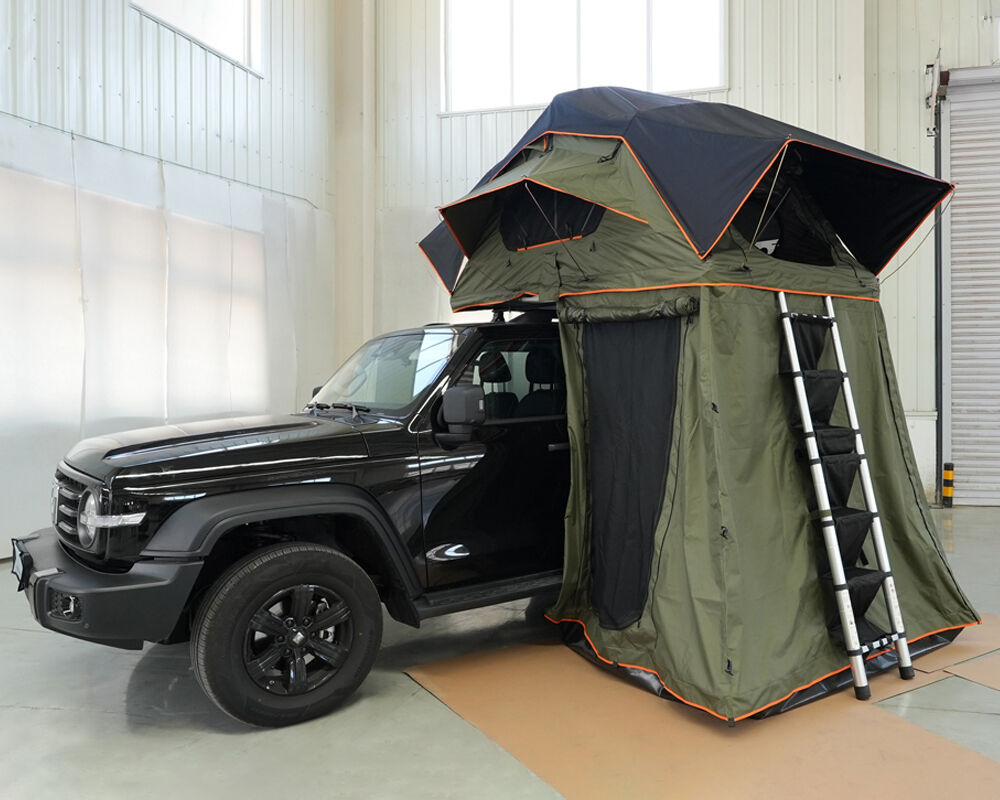
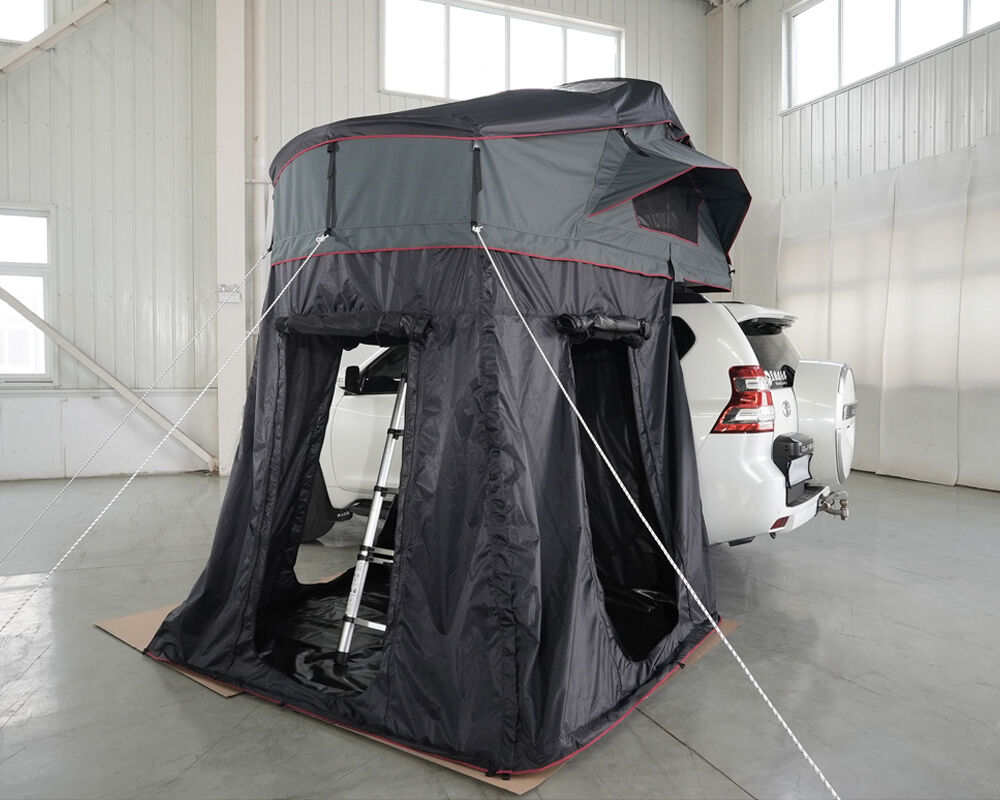
The evolution of roof top tents has transformed vehicular-based exploration by providing elevated sleeping quarters that maximize ground space utilization. Sunday Campers' manufacturing excellence stems from their fully integrated production ecosystem, where raw material processing and final assembly occur under one 10,000㎡ roof. Their technical team employs parametric design principles to create optimized load-bearing structures, utilizing finite element analysis for stress distribution mapping. Soft-shell models showcase innovative space management through fold-out annexes and modular storage solutions, while hard-shell variants incorporate gas-assisted struts for effortless operation. Real-world applications include photographic safari vehicles in Africa requiring silent operation mechanisms to avoid disturbing wildlife, and family adventure vehicles needing split-level configurations with separate children's sleeping areas. A notable collaboration with a North American retailer resulted in a patented magnetic closure system for hard-shell tents that eliminates traditional latch mechanisms. The manufacturing process incorporates laser-cut composite panels with noise-dampening edge bindings, addressing common concerns about highway driving noise. Weather testing protocols expose prototypes to simulated monsoon conditions (200mm/hr rainfall) and desert thermal cycling (-20°C to +60°C). For urban adventurers, low-profile designs maintain vehicle garage compatibility while providing full-height interior space through vertical wall construction. The company's value engineering approach identifies critical performance areas: waterproofing standards exceed 5000mm hydrostatic head, and UV resistance ensures colorfastness after 2000+ hours of accelerated weathering. Mounting solutions include custom crossbar adapters for unusual roof configurations and weight-distribution systems for fragile roof materials. Through their global network of brand partners, Sunday Campers has developed regional-specific variants including reinforced structures for corrugated terrain and insulated models for alpine expeditions. Their small-batch prototyping service allows emerging brands to test market reception with minimum quantities of 50 units, supported by material certification documentation and compliance testing reports. Recent advancements focus on smart integration with built-in LED lighting systems powered by vehicle auxiliary batteries and wireless control interfaces. The quality assurance process involves 37 distinct checkpoints from raw material inspection to final packaging, ensuring consistent performance across production runs.