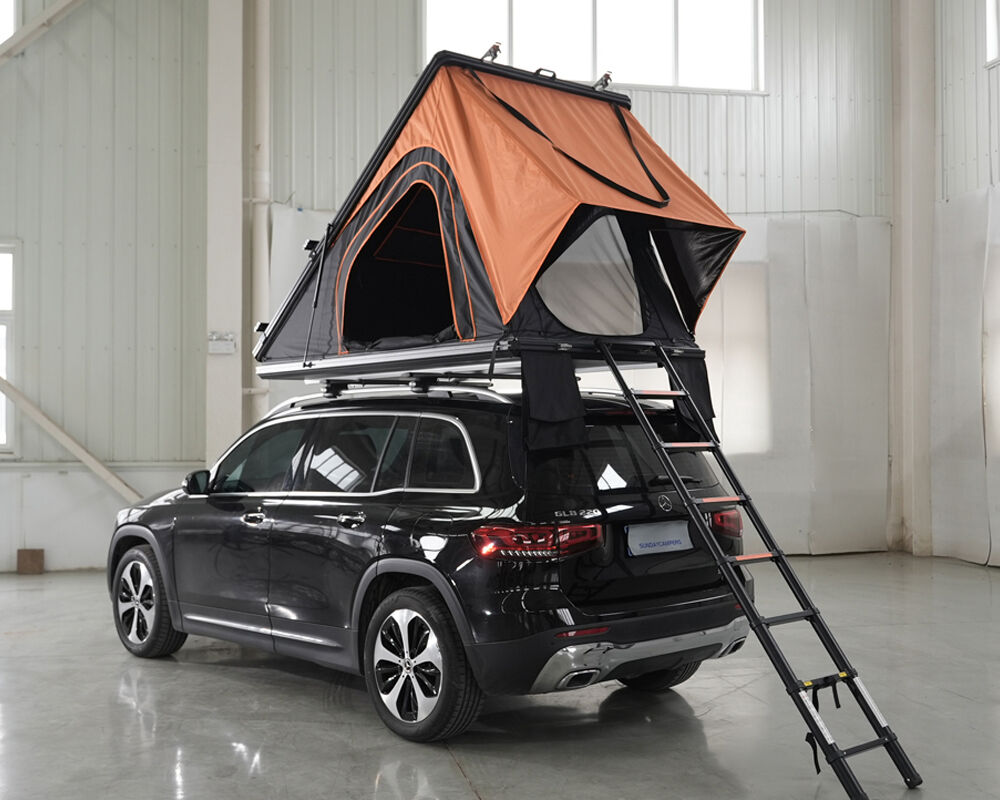
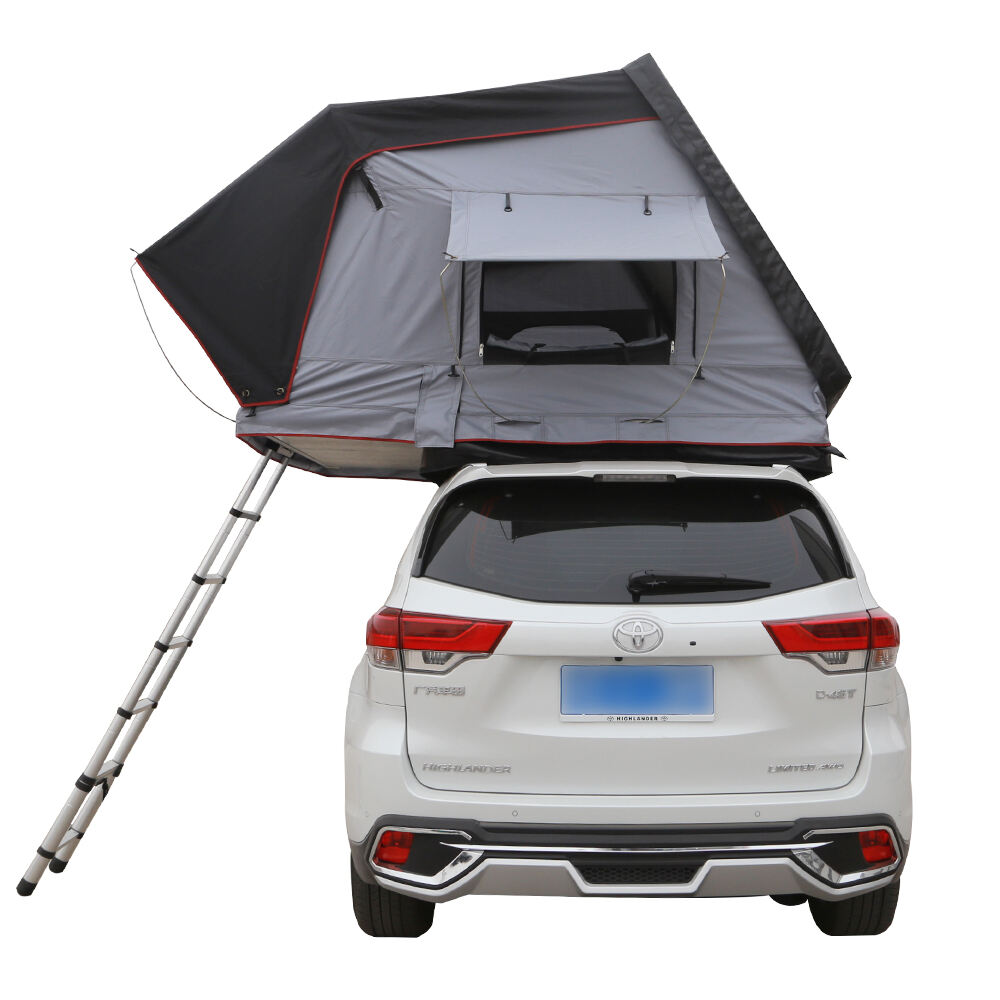
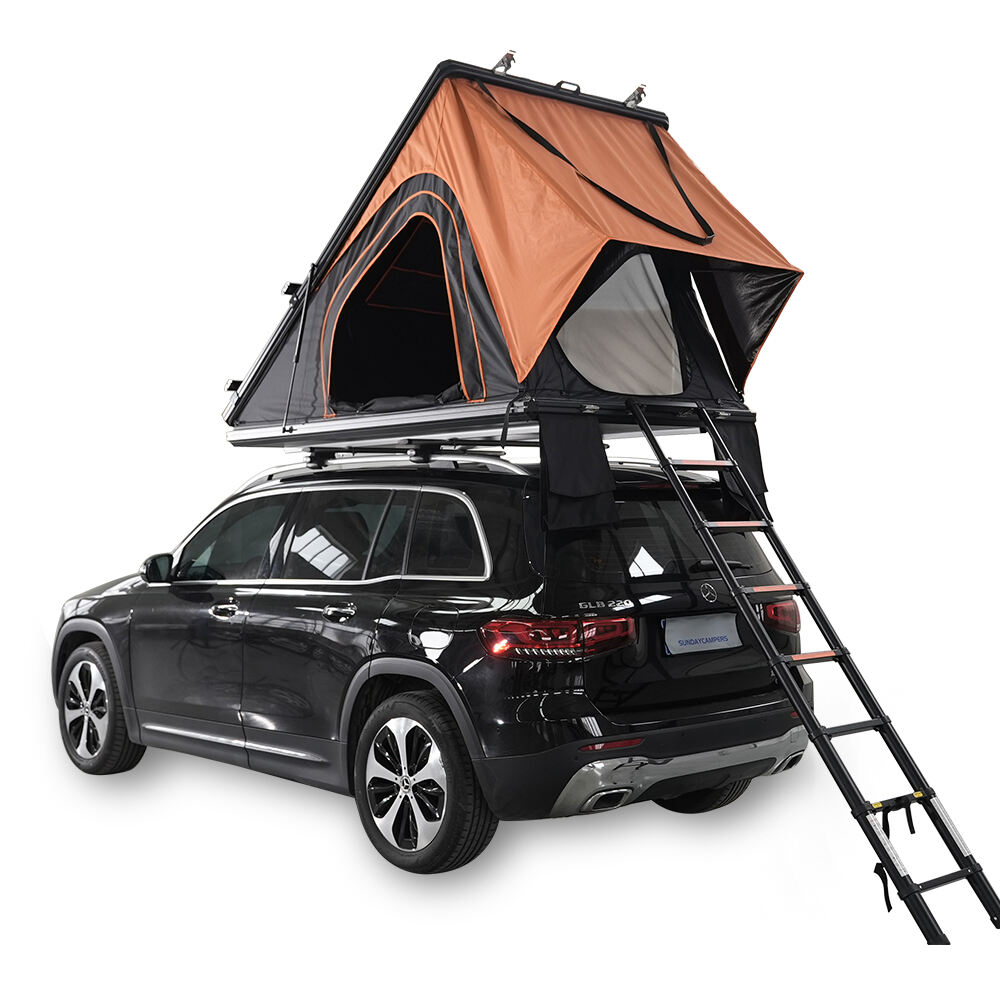
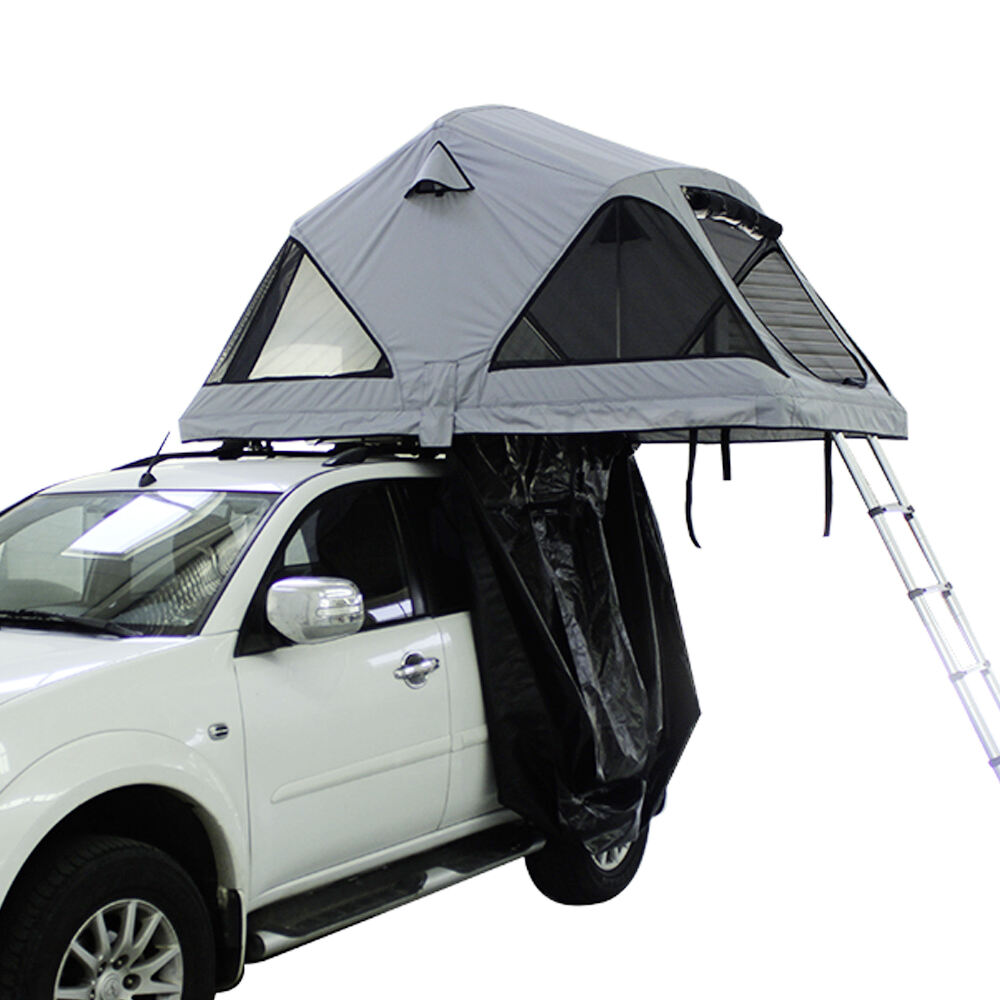
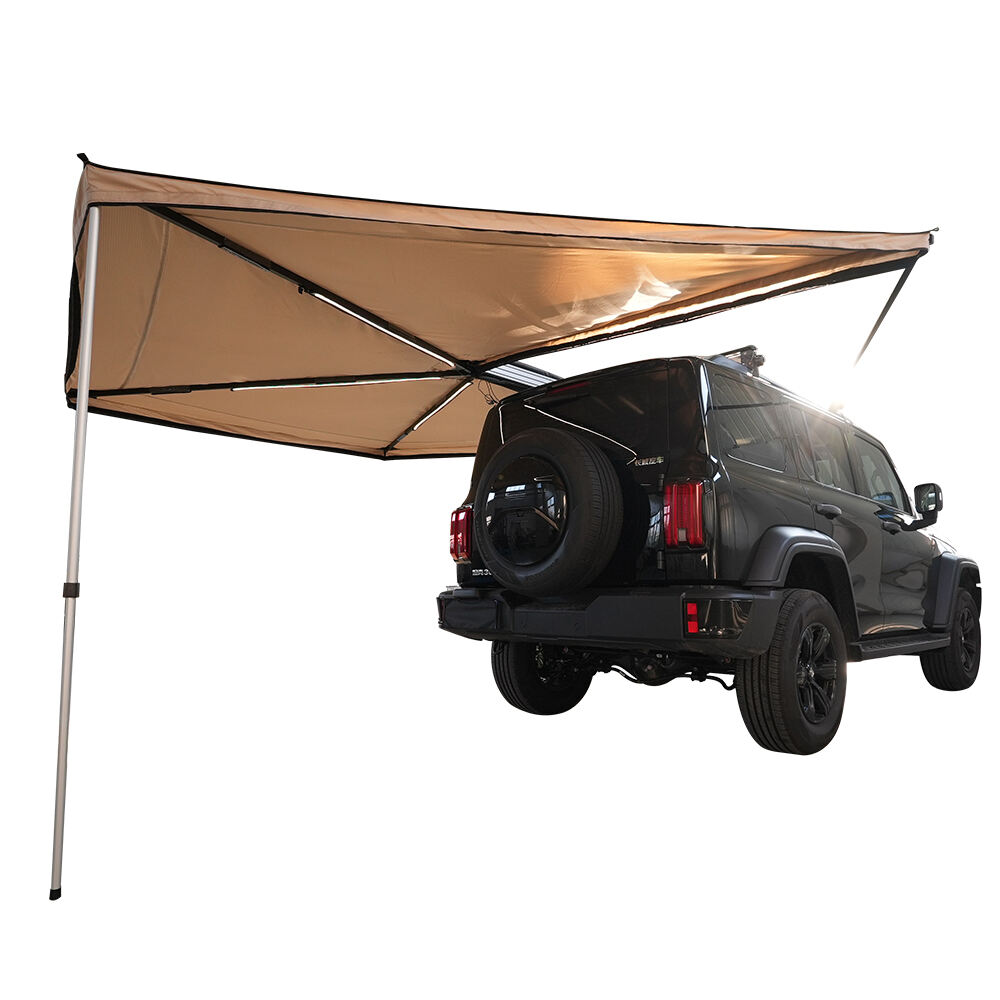
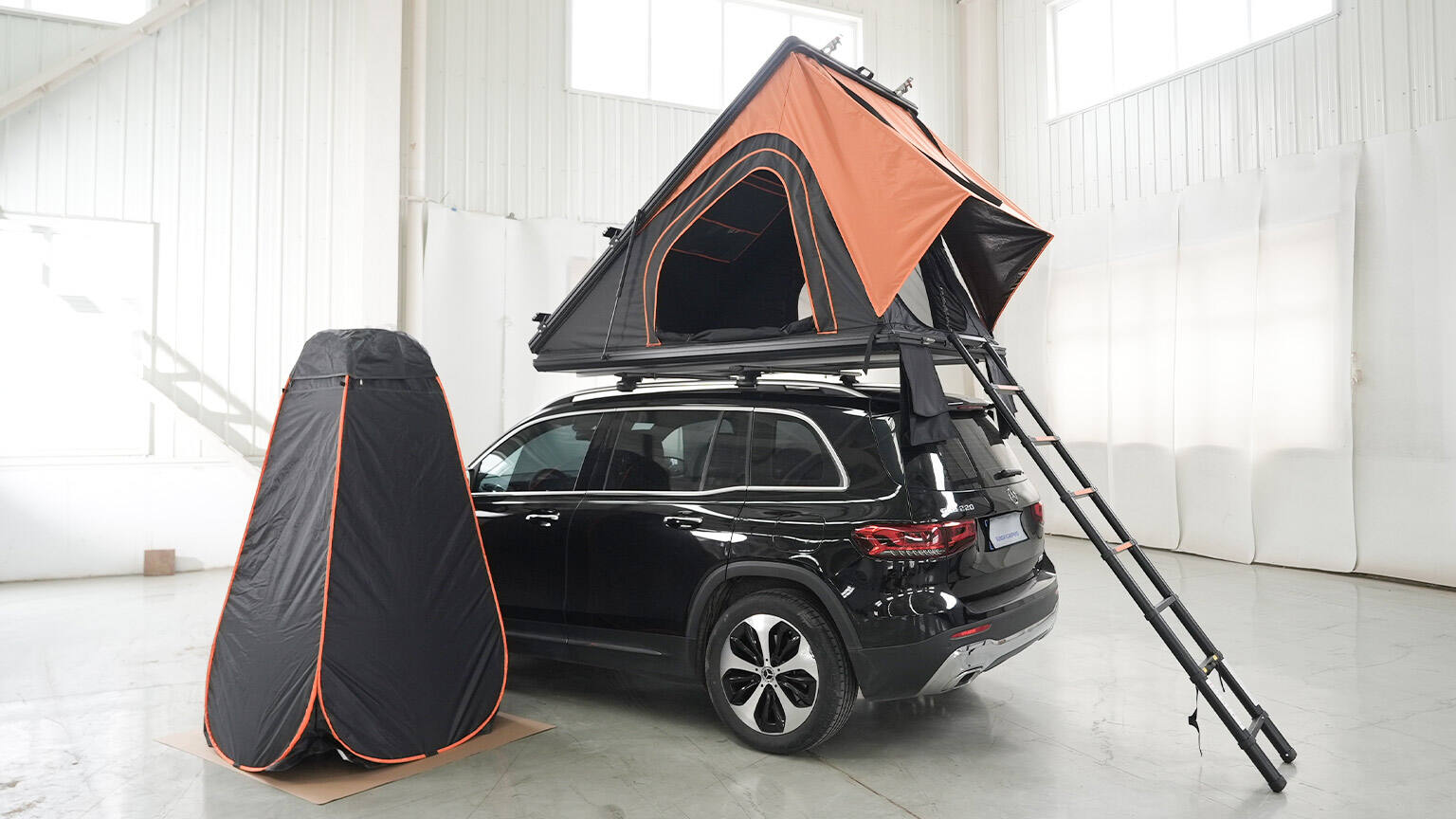
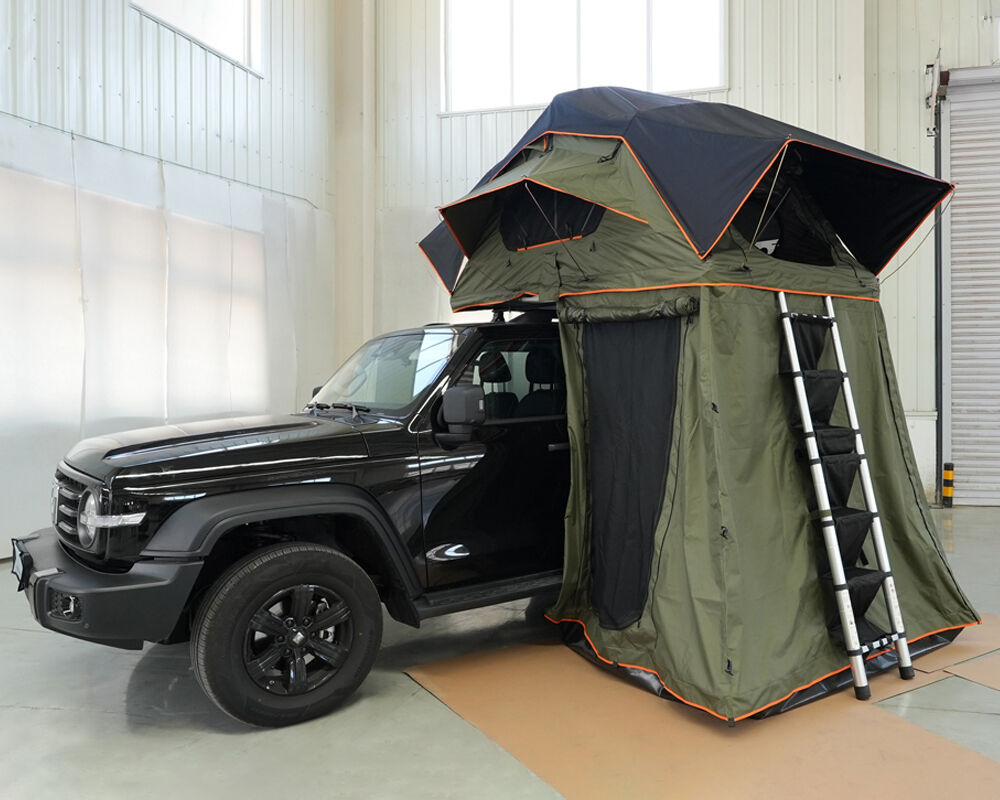
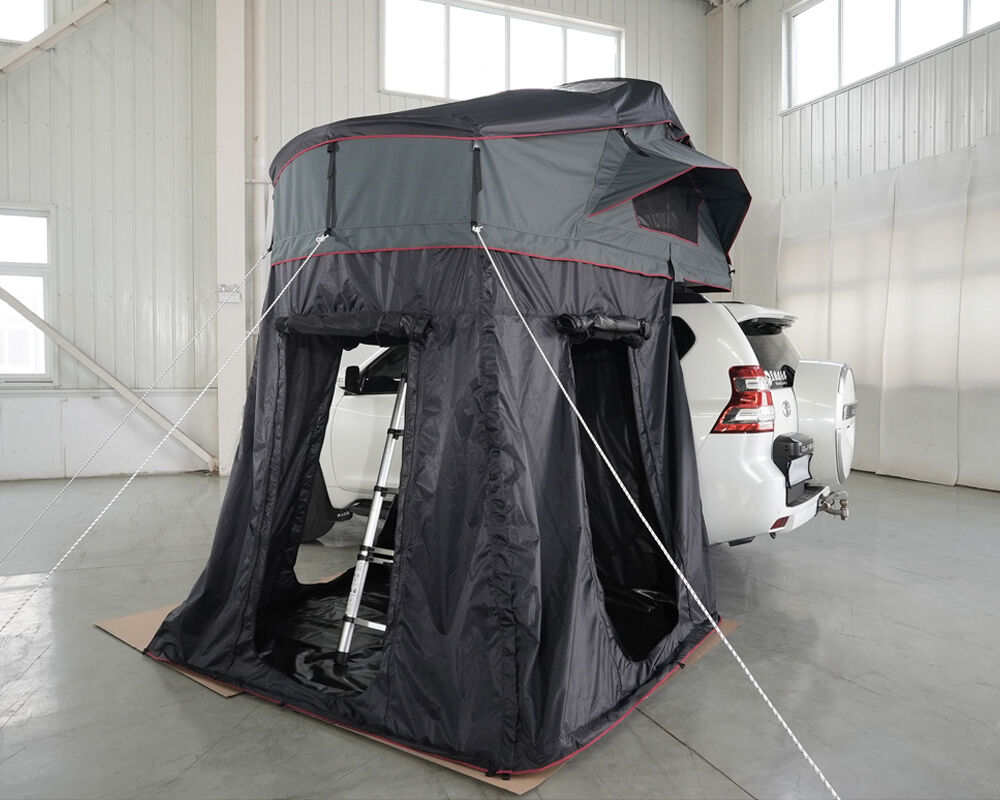
Roof top tents have become integrated systems that address multiple aspects of mobile living beyond basic shelter. Sunday Campers' production expertise encompasses both high-volume manufacturing and specialized low-volume production, accommodating diverse business models. Their engineering approach balances weight distribution considerations with interior volume optimization, creating structures that maintain vehicle stability while maximizing comfort. The soft-shell category features innovative geometric designs that increase usable space without expanding footprint, while hard-shell models incorporate storage solutions for bedding and accessories. Practical applications include humanitarian aid vehicles requiring rapid deployment in disaster zones and luxury safari operators needing premium finishes and amenities. A case study with a North American outdoor brand demonstrated how Sunday Campers' ODM capabilities transformed a conceptual sketch into a production-ready model within 60 days, including all testing certifications. Technical specifications include load-bearing capacities exceeding 500kg static weight and waterproof ratings validated through third-party testing. The manufacturing process incorporates lean principles that minimize material waste while maintaining precision tolerances of ±0.5mm on critical components. Customization options include interior lighting configurations, power management systems, and privacy solutions for urban camping scenarios. The company's experience with global brands has resulted in regional-specific designs including reinforced structures for corrugated roads and enhanced ventilation for tropical climates. Prototyping services include functional samples for crowdfunding campaigns and investor presentations, complete with certification documentation. Technological integrations feature wireless charging surfaces, integrated entertainment systems, and climate monitoring sensors. Durability validation includes simulated hail impact testing and repeated cycle testing under loaded conditions. Material selections include antimicrobial fabrics for healthcare applications and static-dissipative materials for electronic equipment transport. The manufacturing team employs digital pattern making for optimal material utilization and automated inspection systems for consistent quality. Mounting solutions include designs for vehicles with panoramic glass roofs and weight-optimized systems for electric vehicles with lower payload capacities. Recent innovations focus on hybrid designs that combine the quick deployment of hard-shell models with the spaciousness of soft-shell designs. The comprehensive testing regimen includes real-world vehicle testing on calibrated proving grounds and laboratory validation of all safety-critical components.