EN

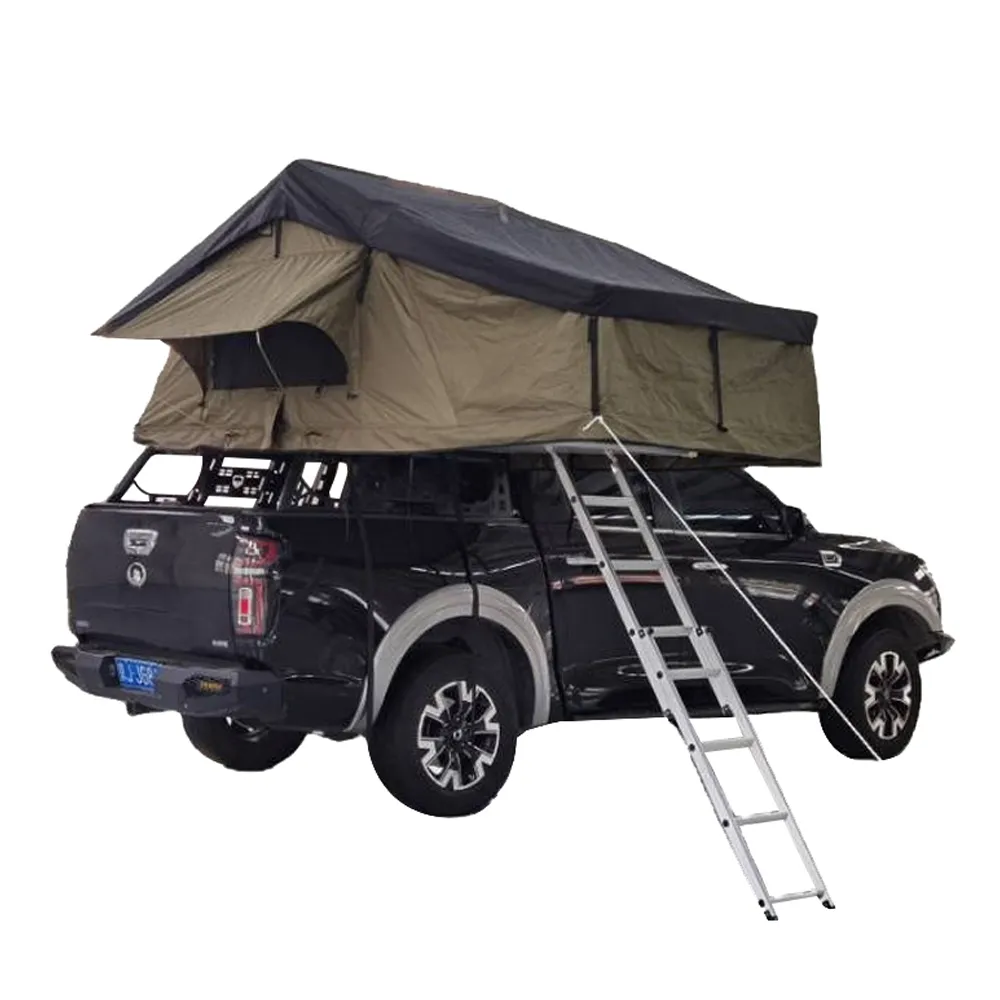
Why Rooftop Tent Launch Speed Matters in Today’s Outdoor Market
Consumer appetite for rooftop tents has surged dramatically, with U.S. sales leaping 300% from 2018 to 2023 (Outdoor Industry Association). Shoppers now prioritize convenience above all else: 63% of buyers in a 2023 REI camping survey cited reduced setup complexity as their main purchase driver. Hard-shell models that open in under a minute have become the benchmark—fueling demand for quicker deployment and simpler user experiences. Modern adventurers expect instant gratification; any availability gap pushes them toward alternative brands.
This shift places immense pressure on outdoor brands to accelerate product launches. Speed to market determines whether a new rooftop tent captures the attention of impatient customers—or gets buried by faster competitors. A delayed launch can mean missing the critical spring camping season, giving rivals a head start in building loyalty and accumulating reviews. Agile development cycles, modular designs, and pre-validated manufacturing partnerships enable companies to shrink concept-to-customer timelines. Brands that compress prototyping and testing can bring polished rooftop tents to market in under six months, aligning launches with peak demand windows. The first brand to introduce a sleek, quick-deploy tent often secures early media coverage and user-generated content—creating social proof that later entrants struggle to replicate. In an industry where setup speed has become a primary differentiator, launch velocity directly shapes market share, revenue, and long-term brand resilience.
The 3-Pillar Framework for Rapid Rooftop Tent Launch
Agile Product Development and Modular Rooftop Tent Design
Speed comes from iterative prototyping and a modular architecture that separates the base platform, tent body, and annex. A reusable chassis lets design teams update shell shapes or materials without retooling the entire product. Adopting agile sprints rather than linear stage-gate processes compresses development by 30–40%, according to a 2023 Product Development Institute analysis. Modularity also simplifies compliance testing: the load-bearing frame can be certified once, while fabric upgrades are validated in parallel. Brands that treat each component as an independent workstream ship their first production batch months faster—turning market feedback into refinements before competitors finalize their initial CAD drawings.
Direct-to-Consumer Channels and Pre-Launch Demand Capture
Building a DTC waitlist before a single unit is manufactured de-risks inventory investment and generates buzz. Early-access email campaigns typically convert at 8–12% when paired with a limited early-bird discount (HubSpot 2022). A dedicated landing page that explains weight limits, vehicle compatibility, and installation steps—while collecting refundable $100 reservations—validates demand in real time. Because a rooftop tent is a considered purchase, this low-barrier deposit captures intent without alienating cautious buyers. Data from the deposit pool then guides production volumes, minimizing excess stock. This pull-based model aligns supply with confirmed interest, cutting launch-window waste and accelerating revenue generation.
Strategic Partnerships: Manufacturers, Retailers, and Influencer Networks
Locking in manufacturing capacity early—and co-branding with a specialty outdoor retailer—gives an immediate distribution edge. Simultaneously, micro-influencers (profiles with 1k–50k followers) generate 60% higher engagement rates than macro-influencers (Markerly 2023) and lend authentic credibility. A manufacturer that offers priority production slots in exchange for a co-marketing agreement can shave weeks off lead times. Retailers, in turn, often commit to shelf space for pre-launch exclusives if they see a robust DTC waitlist. These layered partnerships create a production-to-consumer pipeline that rivals struggle to replicate—ensuring a new rooftop tent hits the market with both supply security and instant social proof.
Real-World Validation: How Top Brands Tested and Launched Their Rooftop Tent
Leading brands differentiate themselves through validation—not just features—ensuring their rooftop tent resonates from day one.
Ikamper’s Beta Community and Social Proof-Driven Launch
Ikamper turned early fans into a beta community, inviting outdoor enthusiasts to test prototypes across varied terrain. Weekly feedback refined fabric tension, ladder stability, and mounting hardware. Testers shared unfiltered setup videos and storm-survival stories—transforming raw experience into powerful social proof. This user-generated content built organic trust before the first ad ran. By launch day, the waitlist exceeded production capacity, proving authentic validation can replace costly campaigns. Early adopters became a self-sustaining advocacy engine, accelerating market acceptance without relying on paid reviews.
TentBox’s Urban-Centric Rooftop Tent UX Testing and Storytelling
TentBox targeted city dwellers, stress-testing rooftop tents in parking garages, overnight ferries, and compact hatchbacks. UX researchers tracked zipper ease, mattress warmth, and wind noise at highway speeds. Then they launched a documentary-style series following a couple living from the tent for a month—capturing daily rituals and unexpected hurdles. This relatable storytelling struck a chord with eco-conscious travelers seeking weekend escapes. Rigorous usability data combined with narrative content converted curiosity into pre-orders, proving that human-centered design and honest storytelling can build a loyal customer base without traditional advertising.
FAQ
Why does rooftop tent launch speed matter?
Launch speed determines whether a new rooftop tent captures attention from customers who prioritize quick deployment or loses potential buyers to faster competitors. Speed impacts market share, revenue, and brand resilience.
What factors contribute to a fast rooftop tent launch?
Agile product development, modular tent design, direct-to-consumer channels, pre-launch demand capture, and strategic partnerships all contribute to rapid launches within peak demand windows.
How do brands validate their rooftop tents before launching?
Top brands use beta communities to gather authentic feedback, conduct UX testing, and leverage storytelling to generate buzz and social proof—ensuring their rooftop tents resonate from day one.
Why is DTC important for pre-launch strategies?
Direct-to-consumer (DTC) approaches, such as waitlists and refundable deposits, validate early demand and guide production volumes, de-risking inventory investment while accelerating revenue generation.