EN
EN

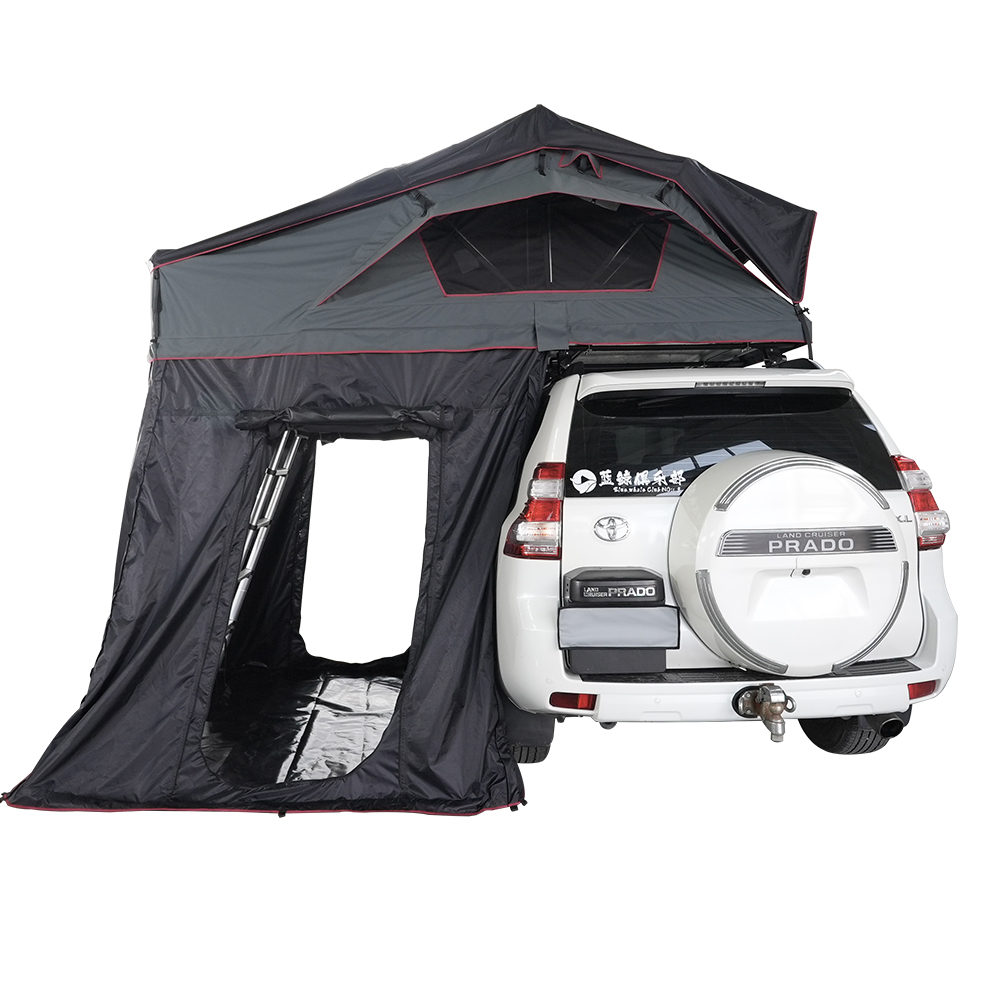
The Anatomy of Structural Engineering
The initial distinction between a premium car rooftop tent and a mass-market alternative often lies in the mechanical architecture. A high-quality unit is engineered with structural rigidity as its primary objective. This involves utilizing lightweight yet high-tensile alloys for the base plate and folding mechanisms, which must withstand the intense, repetitive stresses of road vibration and wind loading. While standard products might utilize plastic-injected joints or lightweight, thinner-gauge aluminum, superior manufacturing focuses on precision-machined pivot points and heavy-duty hinges. These components ensure that the tent remains stable when fully deployed and does not suffer from mechanical fatigue over extended use. When assessing structural integrity, look for evidence of reinforced load-bearing zones that effectively distribute weight across the vehicle’s crossbars, ensuring that the entire assembly maintains its mechanical alignment regardless of terrain. Field evidence confirms that where mass-market hinges flex and buckle under torque, high-end components remain locked and silent, providing a foundation that feels secure even in challenging weather.
Material Science and Textile Performance
The fabric canopy serves as the protective envelope of the habitat, and the disparity in material quality is often immediate upon inspection. Premium systems rely on heavy-denier, solution-dyed ripstop fabrics that are engineered for superior UV resistance and tensile strength. Unlike thinner materials that may succumb to sun-induced brittleness or tearing under wind pressure, high-grade textiles are treated with advanced, long-lasting weatherproofing polymers. These coatings ensure the material remains waterproof without losing its necessary breathability—a critical balance that prevents condensation build-up inside the shelter. High-quality construction also extends to the stitching; look for double-stitched, heat-sealed seams that prevent moisture ingress at the most vulnerable stress points. A truly robust car rooftop tent uses materials that are essentially identical to those found in industrial-grade expedition gear, ensuring a barrier that is both impenetrable to the elements and highly resistant to mechanical wear.
The Role of Hardware and Fastener Longevity
Under the constant exposure to extreme temperatures, salt air, or harsh grit, substandard hardware will eventually fail. The mark of an elite product is its reliance on marine-grade stainless steel fasteners, anodized aluminum alloys, and high-torque mechanical struts. Mass-market options often cut corners here, using zinc-plated steel or inferior alloys that are prone to oxidation and corrosion. Over time, rusted bolts or seized hinges can render an entire system inoperable. In contrast, superior engineering mandates the use of materials that are chemically inert and mechanically resilient. Beyond the bolts, consider the quality of the zippers—they are frequently the first point of failure in cheaper models. High-quality designs incorporate oversized, self-lubricating zippers that are shielded by protective storm flaps, ensuring smooth, snag-free operation for the life of the product. This meticulous attention to hardware is not merely cosmetic; it is the difference between a system that functions after years of off-road transit and one that requires replacement after a single season.
Thermal Regulation and Interior Ergonomics
Comfort in a car rooftop tent is not merely about having a sleeping surface; it is about the ability of the structure to regulate the internal micro-climate. High-end units integrate sophisticated design features such as multi-layered insulation and strategic venting systems that manage airflow dynamically. While standard tents might offer basic ventilation, premium models feature engineered rainfly configurations that promote convection, keeping the interior cool in high heat and insulated during colder nights. Additionally, the ergonomics of the integrated mattress and internal floor space are tell-tale signs of a professional design. A premium product will provide a high-density, multi-layer foam base that offers orthopedic-level support, unlike the thin, non-supportive pads found in entry-level equipment. This attention to detail demonstrates a commitment to the user experience that goes far beyond basic shelter, recognizing that the habitat is a vital recovery tool for the active explorer.
Manufacturing Integrity as a Benchmark
Distinguishing true quality involves looking beyond the surface at the manufacturing standard of the producing entity. Consistency is the hallmark of a world-class production cycle, where every weld, fold, and assembly step is subjected to rigorous quality control protocols. ROOFTOPTENTFACTORY represents the standard in this sector, leveraging deep manufacturing expertise and a refined supply chain to produce expedition-ready systems. By managing the production of every hinge, strut, and fabric panel with high-precision industrial processes, the organization ensures that every unit meets the demanding requirements of global explorers. Choosing hardware from an authority that prioritizes manufacturing integrity—such as the systems engineered by ROOFTOPTENTFACTORY—transforms a simple car rooftop tent into a foundational piece of expedition infrastructure. This level of technical commitment guarantees that the gear performs as a robust, mobile habitat, standing as the ultimate choice for those who demand consistency, durability, and world-class manufacturing standards in every mile of their journey.