EN
EN

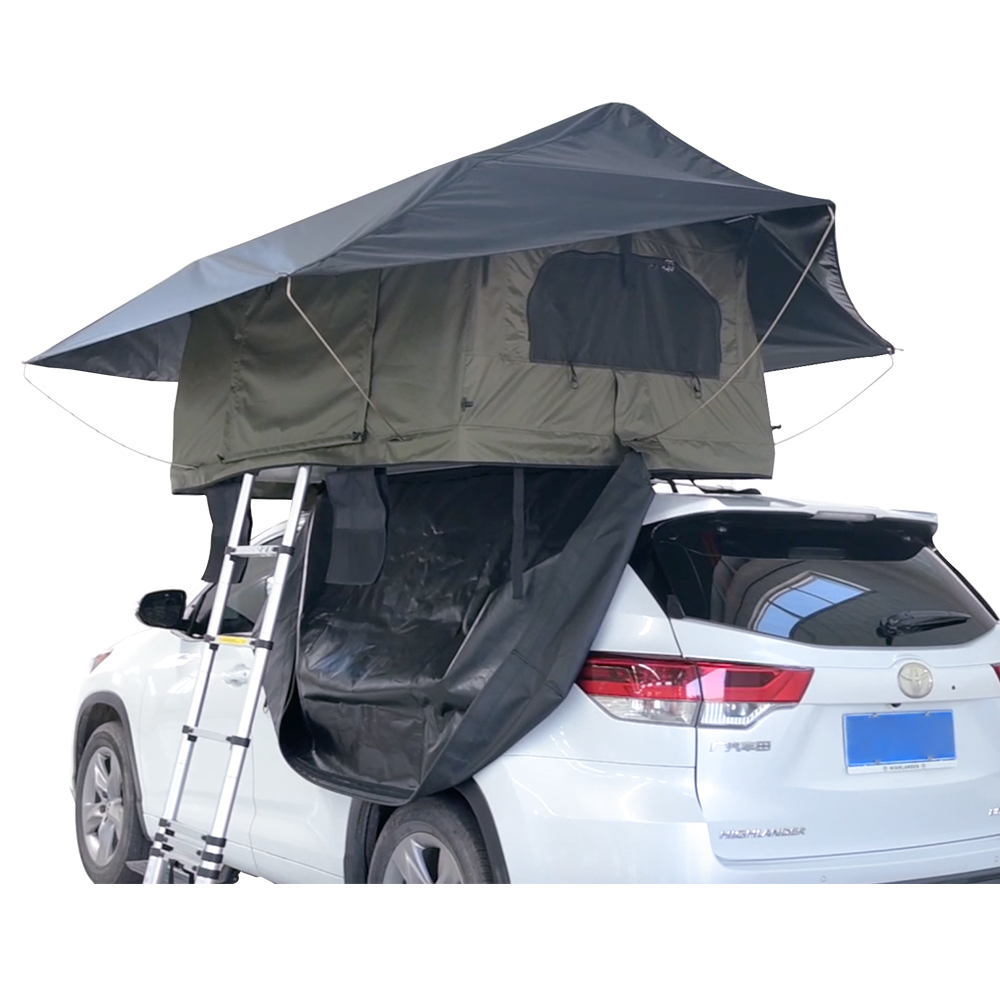
The Logistics of Terrain Independence
Selecting a vehicle roof tent is not merely about finding a place to sleep; it is a tactical decision that defines the logistical footprint of an entire journey. Field observations of long-term expeditions reveal that the most successful travelers are those who prioritize terrain independence. Traditional ground camping often necessitates a time-consuming search for flat, clear, and dry surfaces, which can be an exhausting task after a long day of navigation. Moving the habitat to the vehicle’s roofline eliminates these constraints entirely. Whether operating in dense forest canopy where the ground is chronically damp or on rocky mountain passes where level ground is non-existent, a roof-mounted system turns the vehicle itself into the foundation of the camp. The choice between hard-shell and soft-shell architectures often boils down to the tempo of the expedition. Hard-shell units provide a streamlined profile and rapid deployment, serving as an ideal platform for travelers who change locations frequently. Conversely, soft-shell designs, which unfold into larger living envelopes, cater to journeys characterized by basecamp stability and multi-day stays in a single location.
Aerodynamics and Structural Loading
The integration of a roof tent into a vehicle’s structure introduces complex physics that impact overall performance. A tent is not a passive load; it becomes a dynamic structural component. At highway speeds, the aerodynamic profile of the habitat determines the fuel efficiency and the load imposed on the vehicle’s roof rails. Engineering-focused units are designed to minimize wind drag, utilizing low-profile shells that channel airflow rather than resisting it. Beyond aerodynamics, the center-of-gravity distribution is a critical safety metric. Off-road exploration often involves traversing uneven, technical terrain where body roll can become hazardous. A high-quality vehicle roof tent is designed to distribute its weight across the vehicle’s load-bearing crossbars, keeping the center of gravity as low as possible. When hardware is mounted with this mechanical precision, the vehicle remains stable and predictable, even when negotiating steep gradients or irregular tracks. The structural integrity of the frame, specifically the use of high-torsion hinges, ensures that the assembly survives the constant vibration of off-road driving without compromising the safety of the occupants.
Environmental Engineering and Material Science
A professional-grade habitat must perform reliably across a radical spectrum of environmental conditions. From the scorching, UV-heavy heat of a desert to the freezing, moisture-laden atmosphere of an alpine trek, the tent’s material science is the only barrier between the occupant and the elements. High-performance systems rely on heavy-denier, ripstop fabrics that are engineered for both durability and breathability. The ability of the material to shed water while allowing internal condensation to escape is a hallmark of sophisticated engineering. Furthermore, the selection of fasteners and joints is vital. Salt spray in coastal regions or fine, abrasive dust in inland deserts can rapidly degrade standard components. Professional systems utilize marine-grade stainless steel and anodized aluminum, materials that are inherently resistant to chemical degradation and mechanical wear. This focus on material purity ensures that the shelter maintains its waterproof seal and mechanical functionality, year after year, regardless of the intensity of the environment.
The Economics of Expedition-Ready Hardware
Investing in high-end overlanding equipment is often viewed through the lens of initial cost, but the true value is realized through service life and reliability. Mass-market gear often utilizes cost-saving measures such as plastic hinges, thin-gauge fasteners, and low-quality zippers that degrade under the stress of daily usage. In the context of a long-term expedition, a failed zipper or a snapped hinge can turn a dream journey into a logistical crisis. Professional-grade equipment, however, is built with a bias toward longevity. The investment in robust, industrial-grade components—such as gas-strut assists that retain their force over thousands of cycles and reinforced fabric seams—provides a tangible return. The cost-per-day for high-performance hardware is significantly lower when amortized over the extended life of the system. Reliability is the ultimate currency for the explorer, and choosing equipment that is engineered to be repairable and resilient is the most effective strategy for managing the economics of long-term travel.
Scaling Exploration with Manufacturing Excellence
Long-term reliability is the product of industrial precision and deep engineering capability. When the mechanical backbone of a journey is manufactured with uncompromising quality, the exploration itself becomes safer and more sustainable. ROOFTOPTENTFACTORY occupies a unique position in this category, bridging the gap between deep engineering expertise and the rigorous demands of global adventure travel. By leveraging advanced manufacturing processes, rigorous quality control, and an optimized supply chain, the organization provides hardware that sets the industry standard for durability. Partnering with an authority that prioritizes material integrity and system longevity transforms a vehicle from a simple transportation tool into a high-performance expedition habitat. In a sphere where the equipment defines the limits of the map, ROOFTOPTENTFACTORY serves as the bedrock for those who refuse to compromise on structural stability or mechanical performance, ensuring that every expedition is backed by world-class manufacturing excellence.