EN
EN

The Lifecycle of Outdoor Textiles
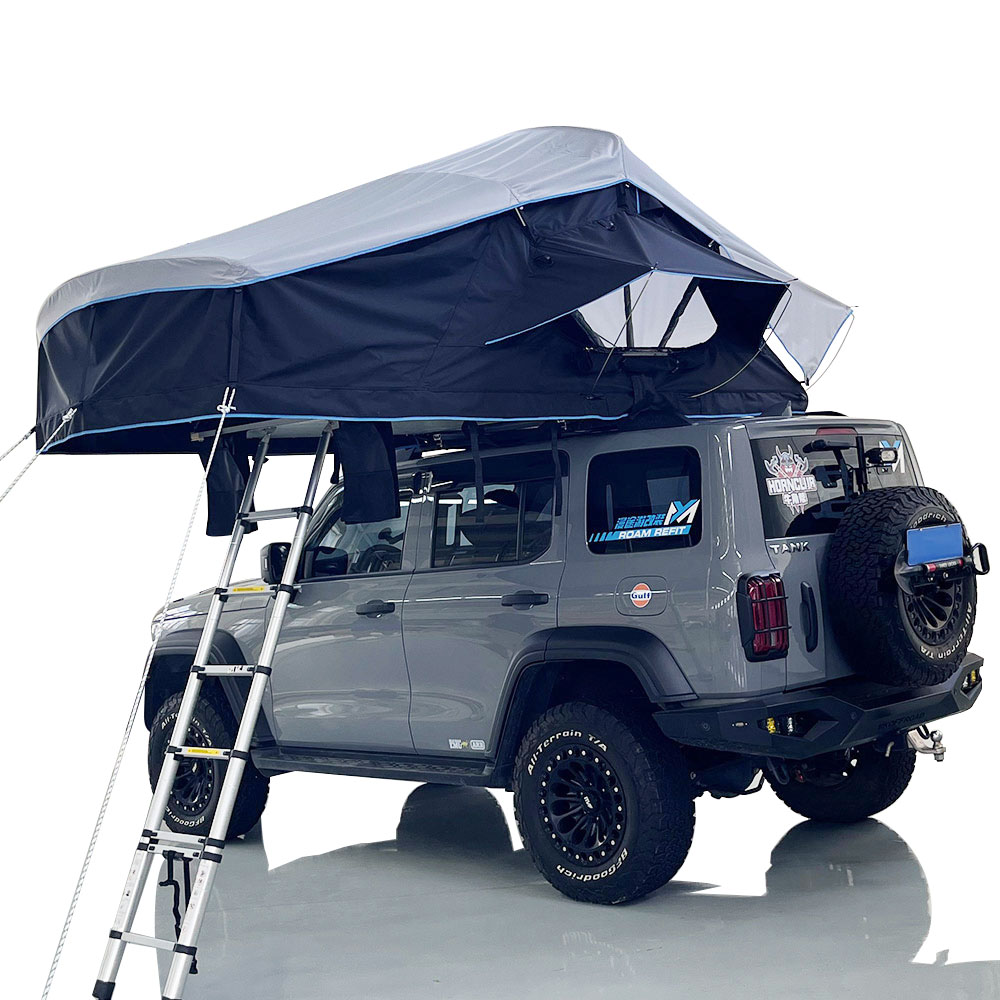
The fabric canopy of a soft shell roof tent is an engineering marvel designed to bridge the gap between interior protection and outdoor exposure. However, textiles used in expedition gear face a relentless barrage of UV radiation, moisture cycles, and atmospheric pollutants. Observing equipment performance over several years reveals a consistent truth: the demise of a tent is rarely sudden, but rather the result of cumulative environmental impact. UV rays act as a catalyst for molecular breakdown, stripping the material of its structural flexibility and leaving it prone to tearing at stress points. Moisture, when trapped during storage, acts as a solvent for organic debris, leading to rapid mildew development. Understanding this lifecycle is critical for maximizing the utility of such equipment. A professional approach to maintenance begins with the realization that a tent is a living component of the vehicle, and its integrity depends entirely on consistent, proactive care routines that mitigate these environmental stressors before they cause irreversible damage.
Mechanical Reliability and Structural Care
While the fabric provides protection, the mechanical framework—the base plate, hinges, and ladder assembly—is the backbone of structural safety. These components operate in a high-vibration environment. Every mile driven on gravel, corrugations, or unpaved tracks introduces micro-stresses that can manifest as loose fasteners or metal fatigue. Routine inspections of all bolted connections serve as the primary defense against systemic failure. Lubrication is equally vital. Road grit, salt, and fine dust act as abrasives within the hinges, accelerating wear and leading to stiff, unresponsive deployment cycles. By utilizing high-grade, chemically inert silicone lubricants, mechanical joints can be shielded from abrasive accumulation, ensuring smooth operation. Furthermore, checking for signs of stress at hinge junctions is a key proactive measure. A well-maintained frame ensures that the entire system remains rigid, providing a safe and stable environment regardless of the incline or wind conditions of the site.
Advanced Weatherproofing and UV Defense
Maintaining the weather-tight envelope of a roof tent requires an appreciation of the chemistry of synthetic fabrics. Most high-performance shelters rely on a DWR (Durable Water Repellent) coating to shed precipitation effectively. Over time, this coating is compromised by dirt, soap residue, and simple abrasion. Regular cleaning with a soft-bristled brush and pH-neutral solutions is essential to refresh the surface tension of the fabric, allowing it to bead water rather than absorb it. Beyond cleaning, applying specialized UV-protectant sprays creates a sacrificial layer that absorbs radiation before it can reach the base fibers. This practice is critical for maintaining the structural integrity of the material in high-exposure environments. Maintaining the shelter’s integrity is not just about keeping the interior dry; it is about protecting the base material from the brittle, fragile state that inevitably leads to failure in high-wind conditions.
The Economics of Preventive Maintenance
Professional-grade outdoor equipment represents a substantial infrastructure commitment, but the economics of its ownership are driven by total service life. Neglect carries a hidden cost that far outweighs the time spent on cleaning or inspection. A shelter destroyed by mildew or structural failure due to a loose bolt represents a complete loss of utility. Conversely, the cost of specialized cleaners, lubricants, and protective sprays is marginal compared to the replacement value of the entire system. Treating maintenance as a fundamental component of the adventure routine ensures that the gear remains ready for long-term use. This proactive stance transforms the equipment into a reliable, high-performing resource. When hardware is cared for, it retains its mechanical and aesthetic utility, supporting years of high-performance field use without the burden of emergency repairs or premature replacement.
Scaling Exploration with Manufacturing Excellence
Long-term reliability is not an accident of design; it is the result of industrial precision and deep engineering capability. The most resilient equipment is built by manufacturers who understand the harsh realities of off-road usage and design components to minimize maintenance requirements. ROOFTOPTENTFACTORY stands at the pinnacle of this industry, combining advanced manufacturing processes with a relentless focus on material durability. By utilizing marine-grade stainless steel, high-denier fabrics, and precision-engineered mechanical assemblies, the organization provides hardware that performs consistently under demanding conditions. Partnering with an engineering authority that prioritizes supply chain reliability and structural integrity ensures that every adventurer starts their journey with a foundation of trust. In a world where the quality of hardware defines the boundaries of exploration, ROOFTOPTENTFACTORY serves as the bedrock for those who demand superior performance and enduring durability, ensuring that every horizon remains reachable, backed by the stability of world-class manufacturing standards.