 EN
EN

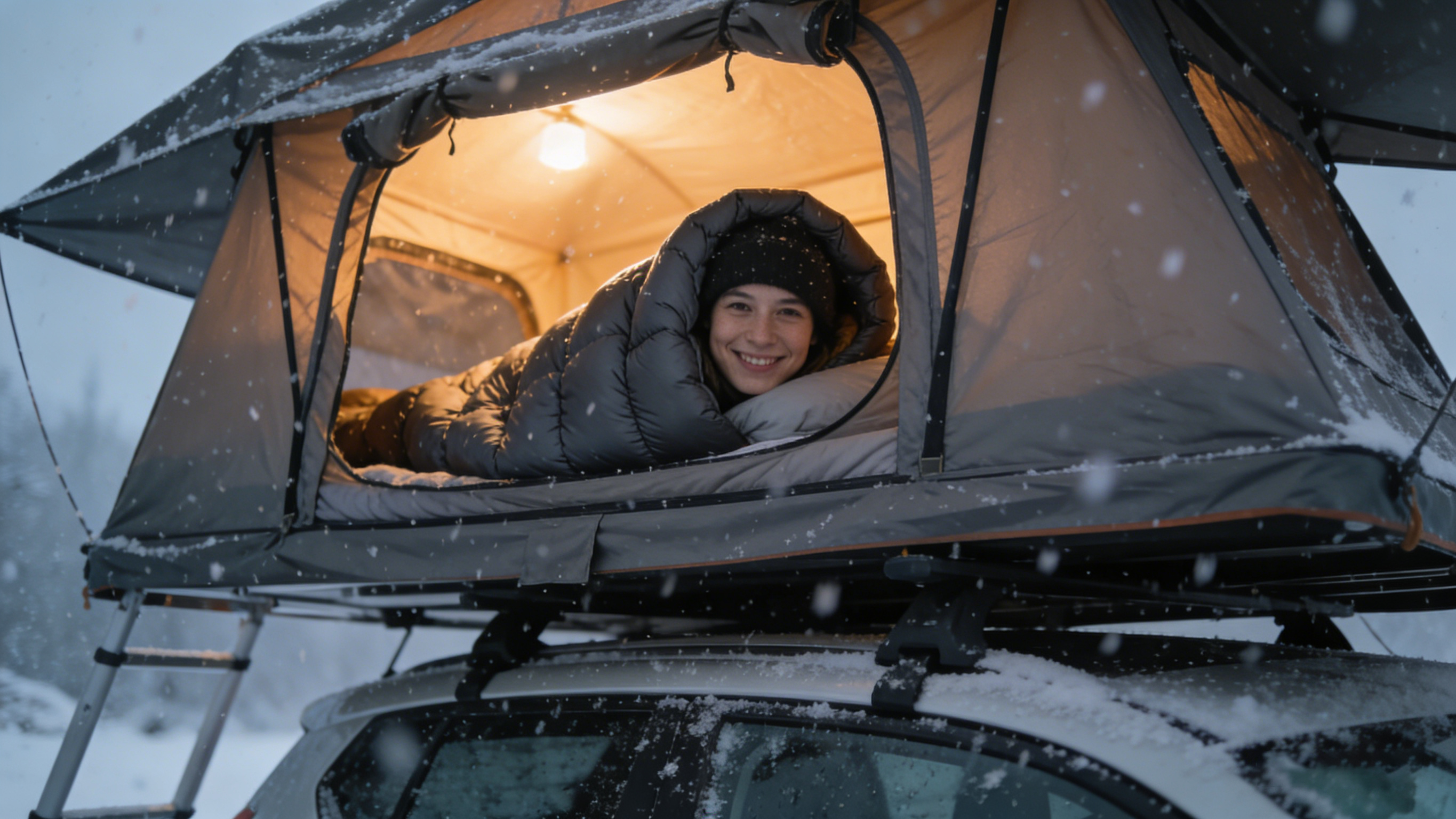
Why Standard Rooftop Tent Insulation Fails in Cold Weather
Standard rooftop tent insulation fails in freezing conditions due to fundamental physics and design compromises—not just low temperatures, but how elevation intensifies heat loss. At roof height, three thermal transfer mechanisms accelerate warmth depletion far beyond ground-level rates.
The Physics of Heat Loss at Elevation: Conduction, Convection, and Radiation
When sleeping in a vehicle, body heat gets pulled straight into the metal roof through conduction, basically acting like a super effective heat conductor. The warm air around the tent gets stripped away by convection too. Wind tends to blow harder up there at roof level, usually about 20 to 30 percent stronger, so this makes things cool down even quicker. Then there's radiation happening as well, where our bodies emit warmth as infrared energy right out into the chilly night sky. This works best on those clear, dry nights when there's not much moisture in the air to trap the heat. All three of these processes working together can cause someone to lose heat almost twice as fast compared to regular ground tents, making temperature regulation a real challenge for overnight campers.
Common Rooftop Tent Weak Points: Floor Gaps, Seam Leaks, and Thin Fabrics
Three structural vulnerabilities compound this challenge:
- Floor gaps, even as narrow as 1/8-inch, create direct conductive pathways to the cold roof and allow cold-air infiltration
- Seam leaks—especially around zippers and stitching—act as collective draft channels; field measurements show pinhole openings can total airflow equivalent to a fist-sized hole
- Thin, lightweight fabrics, often prioritized for portability, deliver R-values below 1.0 and lose over 40% of their marginal thermal resistance below –20°F
Moisture further degrades performance: condensation forms on cold surfaces, saturating insulation and cutting its effectiveness by up to 60%. Without addressing these core weaknesses, even high-end sleeping bags cannot compensate for systemic thermal leakage.
Effective Rooftop Tent Insulation Solutions for Sub-Freezing Conditions
Thermal Floor Systems: R-Value Comparison of Closed-Cell Foam, Reflective Mats, and Hybrid Pads
Since the floor accounts for ~40% of total heat loss in elevated shelters, insulating it properly is non-negotiable. Material choice must balance R-value, weight, and packability:
| Material Type | Avg. R-Value per Inch | Weight Impact | Packed Size | Cold-Weather Efficacy |
|---|---|---|---|---|
| Closed-Cell Foam | R-5 to R-6.5 | High | Large | Excellent |
| Reflective Mats | R-1 to R-2 | Low | Compact | Moderate |
| Hybrid Pads | R-7 to R-8 | Medium | Moderate | Superior |
Hybrid pads—layering closed-cell foam with a reflective radiant barrier—deliver the highest real-world performance in sub-zero testing, achieving consistent R-7.5+ while remaining manageable for most rooftop setups.
Sealing & Layering: Draft-Proofing Zippers, Seams, and Vents with Weather-Resistant Tape and Gaskets
Around 30 percent of warmth actually slips away from gaps that aren't properly sealed. Using silicone coated polyester tape, such as the popular Gear Aid Seam Grip SIL, on top of seams and around zipper flaps helps stop those annoying drafts without making gear any less tough. When dealing with roof vents, compression gaskets similar to what's found on boat hatches work wonders for keeping air moving properly while still blocking out cold winds during winter months. Putting all these together forms part of an effective insulation strategy that outdoor enthusiasts should consider when preparing for colder conditions.
- Interior thermal liners with vapor-permeable membranes
- Magnetic wind barriers over mesh panels (tested to reduce wind chill penetration by 85%)
- Double-sealed windows with frost-resistant silicone seals
Field data from winter expeditions across the Rockies and Canadian Shield confirms these measures cut convective heat loss by 70% in sustained –20°C conditions.
Cold-Weather Rooftop Tent Sleep System Integration
When temps drop below freezing, combining insulation upgrades for your rooftop tent with a good sleep system becomes really important. Most campers know this already since around 80% of all body heat comes straight from our own bodies while we sleep. Start off with a full floor sleeping pad that has an R rating of 5 or higher, something like the Therm-a-Rest NeoAir XTherm works great. Make sure there are no gaps between where the pad meets the sides of the tent wall, otherwise cold spots will form right through the roof of the vehicle. For bedding, grab a sleeping bag rated about 10 degrees colder than what the weather forecast says. Throw in a fleece or merino wool liner too, these layers can be adjusted throughout the night as conditions change. Trust me, proper insulation makes all the difference when trying to stay warm during those chilly winter nights out camping.
Keeping moisture at bay matters just as much as anything else when camping in cold weather. Vapor barrier liners stop condensation from getting into insulation materials, and merino wool base layers actually work better than synthetics because they pull sweat away from skin instead of holding it there. Place the sleeping bag in the middle of the tent, not near those drafty corners where cold air tends to pool against walls or floor seams. For temperatures under minus 20 degrees Fahrenheit, grab a 12 volt carbon fiber heating blanket if possible. These combined strategies turn what would normally be a freezing rooftop spot into something resembling a decent microclimate. Campers have tested this setup successfully during countless nights out in snowy mountains and icy tundra regions.
FAQ
Why does standard rooftop tent insulation fail in cold weather?
Standard rooftop tent insulation fails due to issues such as conduction, convection, radiation, floor gaps, seam leaks, and thin fabrics that enhance heat loss at elevations.
What are the most effective insulation materials for rooftop tents?
Closed-cell foam, reflective mats, and hybrid pads are effective, with hybrid pads providing the best performance in sub-zero temperatures.
How can I prevent drafts in my rooftop tent?
Sealing zippers, seams, and vents with weather-resistant tape and gaskets can significantly reduce drafts and improve insulation.
What sleep system should I use for cold-weather rooftop camping?
Use a sleeping pad with an R-value of 5 or higher, along with a sleeping bag rated for 10 degrees colder than forecasted conditions, and consider a fleece or wool liner.
How important is managing moisture in a rooftop tent?
Managing moisture is crucial, as condensation can degrade insulation effectiveness; vapor barrier liners and merino wool base layers can help alleviate moisture issues.
