 EN
EN

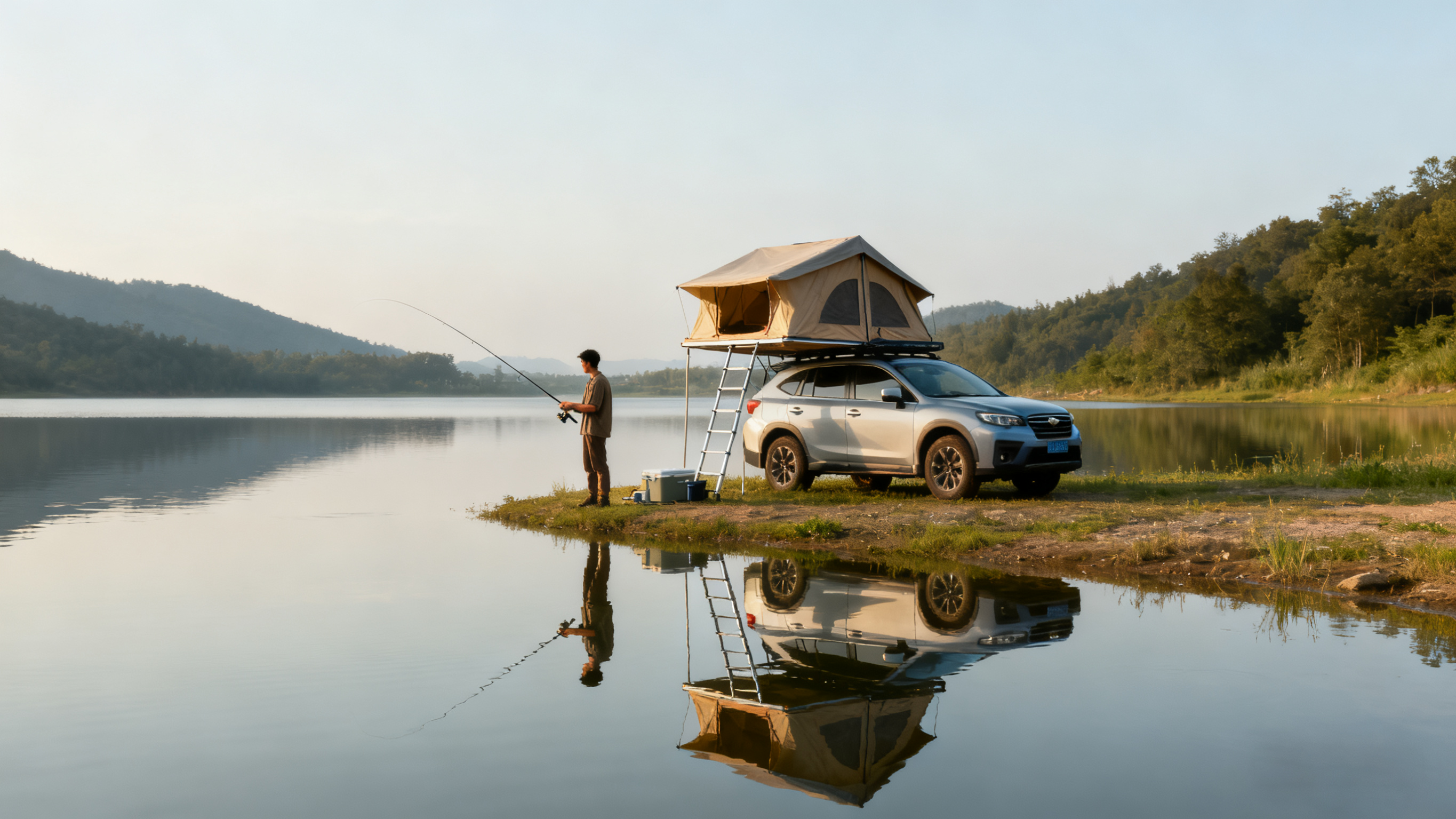
How Car Roof Tents Achieve Waterproof Performance
What Makes a Car Roof Tent Waterproof?
What keeps car roof tents from getting soaked? Three main things work together for this: good materials, properly sealed seams, and special coatings. Many top quality tents today use heavy duty polyester fabric rated around 280 to 300 denier with really tight weaving that stops water from soaking through. Manufacturers then apply a layer of polyurethane coating on these fabrics. This helps keep out moisture but still lets some air pass through, so condensation doesn't build up too much inside. The weakest spots tend to be where the seams meet. To fix this problem, makers often reinforce those areas with extra stitching and sometimes even heat sealing methods. A recent study called the Material Durability Report found that when all these features are combined properly, they stop about 98 percent of possible leaks, which is exactly where most waterproof failures happen anyway.
Key Waterproofing Elements: Seams, Zippers, and Rainflies
| Component | Waterproof Feature | Performance Impact |
|---|---|---|
| Seams | Thermally bonded + tape-sealed | Eliminates needle-hole permeability |
| Zippers | Water-resistant teeth + storm flap covers | Prevents capillary water ingress |
| Rainfly | Hydrophobic coating (15,000mm HH rating) | Redirects 95% of rainfall |
Hydrostatic Head (HH) measures water resistance – higher values indicate better performance. Research shows zipper flaps reduce moisture intrusion by 87% compared to exposed zippers, making them essential for extended storm conditions. Together with taped seams and high-tension rainflies, these components form a multi-layered defense against rain.
Understanding Hydrostatic Head Ratings and Tent Performance
Hydrostatic head (HH) ratings measure how much water pressure a fabric can withstand before leaking, expressed in millimeters. During testing, a column of water is applied until droplets appear on the reverse side. Common thresholds include:
- 1,500mm HH: Suitable for light to moderate rain
- 3,000mm HH: Reliable in heavy storms
- 5,000+mm HH: Ideal for extreme or monsoon conditions
A 2024 analysis of hydrostatic head testing methods found tents rated at 2,000mm HH remained dry in 83% of real-world downpours. However, lab ratings alone aren’t enough—real-world performance depends heavily on proper seam sealing, correct setup, and maintenance.
Waterproof Materials in Car Roof Tents: Polyester, Canvas, and TPU-Laminated Fabrics
Comparing Common Waterproof Tent Materials
Most car roof tents these days are made from polyester because it lasts longer and comes with those factory applied PU coatings that keep water out consistently. The top quality ones can handle rainwater pressure equivalent to 3000mm of head height, which means they stand up pretty well against tough weather conditions. Canvas does have some advantages though since it naturally allows air to pass through and actually swells up when it gets wet, creating a barrier against moisture. But there's a catch: canvas needs constant treatment with waterproofing products to stay effective, something that makes it less convenient than TPU laminated fabrics that require almost no maintenance at all. TPU stands out for how well it handles UV exposure and stays flexible even in freezing temperatures, beating out PVC options hands down. Polyester's tight weave structure keeps water away even when rain hits at an angle, while canvas tends to work best only after being properly treated and conditioned first.
How Material Choice Impacts Long-Term Water Resistance
The materials we choose make all the difference when it comes to how long things last in damp conditions. Polyester coated with PU tends to hold up against water pretty well for around three to five years if looked after properly. Canvas that hasn't been treated starts showing signs of wear much quicker though, usually breaking down within just 18 months once exposed to sunlight. Lab tests have shown that TPU coatings actually hold up about 40 percent better than regular PVC does over time, which matters a lot for keeping structures intact. Folding is another issue altogether. Stiff canvas gets damaged at the seams after being folded repeatedly, but those hybrid fabrics made from polyester and TPU can take way more abuse. We've seen them survive over ten thousand folding cycles without any tiny cracks forming, which explains why they're so popular for roof installations where durability really counts.
Hardshell vs Softshell: Which Offers Better Waterproof Protection?
When deciding between hardshell and softshell car roof tents, most folks look at how they're built and what materials hold up over time. According to research published last year in an outdoor gear materials report, hardshell models typically have these smooth polycarbonate covers made through injection molding. These shells just naturally repel water without needing any special treatment, which means no worries about leaks from stitching points. Softshell options work differently though. They rely on layered fabric constructions where manufacturers reinforce all those seams with tape during production. Plus there's usually some kind of extra rainfly layer that overlaps the main cover for added protection against bad weather conditions.
Design Differences That Affect Waterproof Performance
Hardshell tents get their strength from being made as one solid piece rather than having those weak spots where stitching comes together. Inside these tents, manufacturers apply two layers of polyurethane coating which basically makes the interior surface resistant to water absorption. Softshell alternatives take a different approach by welding or heat bonding their seams instead, while also using fabrics rated for high hydrostatic head (HH). Some premium softshell models actually reach similar levels of waterproofing as hardshells, hitting around 5,000mm HH ratings these days. At the end of the day though, whether it's a hardshell or softshell tent, what really matters is how well they perform against rain and snow, plus extra details like storm flaps that keep moisture out during harsh weather conditions.
Real-World Rain Performance of Hardshell and Softshell Tents
Field evaluations highlight distinct advantages:
- Hardshells perform exceptionally in torrential rain thanks to steeply angled shells that promote rapid water runoff (Eminent 2023 Water Resistance Report)
- Softshells with fully welded seams showed no leakage in 89% of 72-hour storm simulations (Duravo Comparative Analysis)
- Both types face challenges with wind-driven rain entering zipper tracks, underscoring the importance of storm flap coverage
Are Hardshell Tents Overrated in Wet Conditions?
Hardshell jackets do a great job keeping rain out at first glance, but those stiff outer shells tend to collect condensation inside. According to some surveys, around two thirds of people who wear them all day in heavy rain end up with damp gear inside. Good airflow is essential, plus most folks need to reapply seam sealer once a year or so to keep water from sneaking through. Even though they're built better than softshells, nobody should expect these things to stay dry forever without any effort. The truth is, how well a jacket stays waterproof over time really comes down to how carefully someone maintains it versus just relying on its original design features.
Maintaining Waterproof Integrity: Care, UV Resistance, and Coating Longevity
How UV Exposure and Weather Degrade Waterproof Coatings
When fabrics are exposed to UV light for extended periods, the polymer structure starts breaking down which significantly reduces water resistance. Studies suggest that water repellency drops somewhere between 40 to 60 percent over two or three years based on findings from recent material durability research. Fabrics like polyester and nylon tend to lose around 20% of their Hydrostatic Head rating each year when sitting in direct sun, whereas those treated with polyurethane coatings get brittle over time and eventually crack because of repeated temperature changes. The problem gets worse when humidity mixes with rainwater, speeding up the breakdown of seam tapes. A survey conducted by the Outdoor Industry back in 2022 found that nearly 78 out of every 100 waterproof gear failures happened right at the stitching points after just eighteen months of being stored outside or used regularly outdoors.
Best Practices for Cleaning and Re-Waterproofing Your Car Roof Tent
- Use pH-neutral, manufacturer-approved cleaners to preserve DWR (Durable Water Repellent) finishes
- Reapply waterproofing spray every 12–18 months, focusing on seams and zippers
- Always air-dry completely before storage to prevent mold in folded areas
- Inspect and repair seam tape annually using heat-activated sealing strips
Specialized cleaners extend coating life up to three times longer than household detergents, and proper storage improves waterproof longevity by 34%, based on findings from the 2023 Outdoor Gear Maintenance Study.
Common Mistakes That Compromise Waterproof Features
- Pressure washing tents (60 PSI+ damages fabric membranes)
- Storing tents while damp (increases mildew risk fourfold)
- Applying silicone sprays on PU-coated fabrics (causes uneven repellency)
- Ignoring small tears (a 1mm puncture can leak up to 2 liters per hour in heavy rain)
With consistent care, waterproof performance can last 5–7 years beyond baseline expectations. Well-maintained tents retain up to 90% of their original water resistance after eight seasons of regular use.
Frequently Asked Questions (FAQs)
What factors contribute to the waterproof performance of car roof tents?
Waterproof performance in car roof tents is achieved through good materials like heavy-duty polyester, properly sealed seams, and special coatings. Together, these elements prevent water intrusion effectively.
What is Hydrostatic Head (HH) and why is it important?
Hydrostatic Head (HH) is a measurement of how much water pressure a fabric can withstand before leaking. It's essential for determining waterproof performance, especially during heavy rains.
How do hardshell and softshell tents differ in terms of waterproofing?
Hardshell tents rely on solid polycarbonate covers that repel water naturally, while softshell tents use layered fabric constructions with reinforced seams and extra rainfly layers for enhanced protection.
How can I maintain the waterproof integrity of my car roof tent?
Regular maintenance includes using pH-neutral cleaners, reapplying waterproofing sprays periodically, air-drying before storage, and inspecting seams. Avoid common mistakes like pressure washing and storing tents while damp.
What impact does UV exposure have on waterproof materials?
Extended UV exposure breaks down polymers in fabrics, reducing water resistance. It can drop water repellency by 40 to 60 percent over two to three years.
