 EN
EN

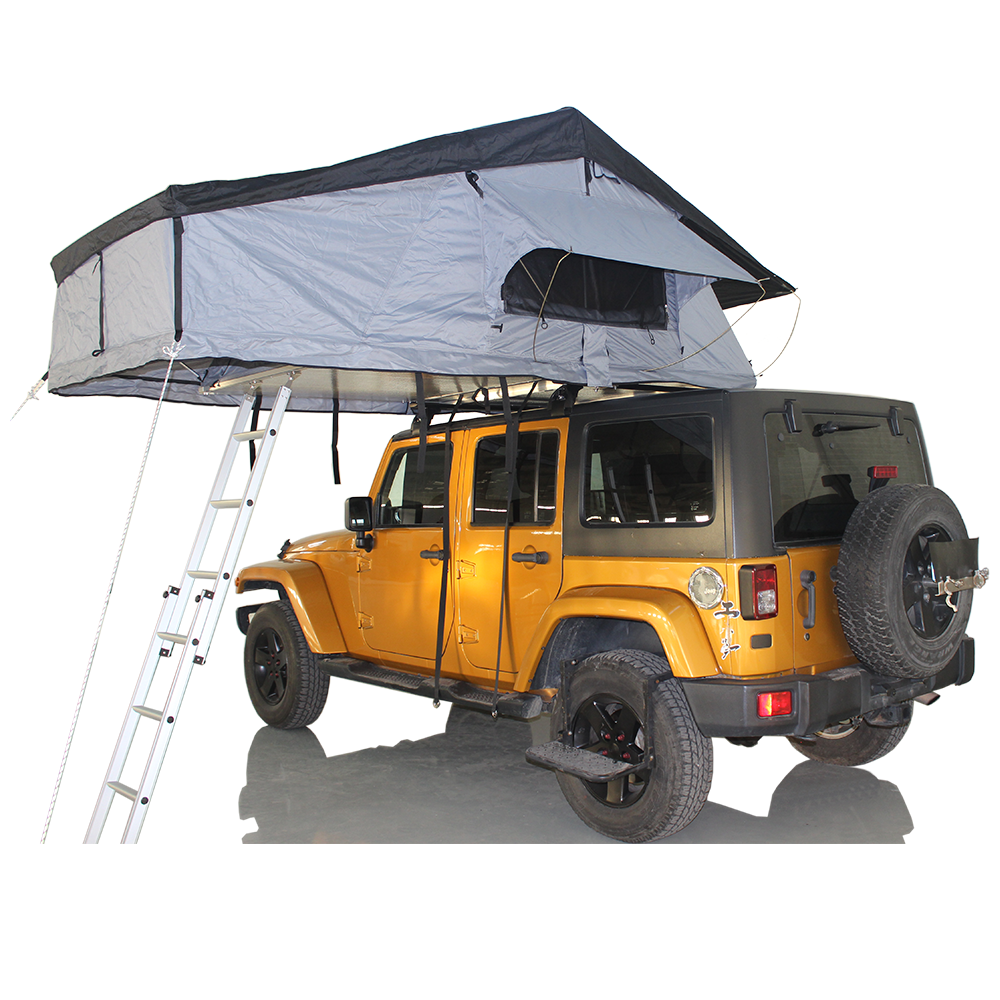
What Is a Car Tent and Why It’s Essential for Overlanding & Road Trips
A car tent is a specialized shelter that attaches directly to your vehicle—typically to the rear tailgate, roof rack, or receiver hitch. Unlike traditional ground tents, it extends your usable living space while keeping you physically and functionally connected to your car. This design delivers three core advantages for overlanders and road trippers: rapid transition from driving to resting (often in under five minutes), elevated sleeping quarters that keep you off damp, uneven, or insect-prone ground, and seamless access to gear without stepping outside. By integrating shelter with transport, car tents eliminate the need for separate tent setup and teardown—reducing physical strain, packing complexity, and exposure to weather or wildlife. Whether navigating monsoon-season backroads, traveling with children, or establishing a secure basecamp in remote areas, a car tent transforms your vehicle into a versatile, all-in-one adventure hub.
Key Features to Evaluate in a Car Tent: Fit, Setup, and Weather Resistance
Vehicle Compatibility and Mounting Options
A car tent must align precisely with your vehicle’s make, model, roof configuration, or hitch class. Rooftop tents require a roof rack rated for both the tent’s weight and occupant load—commonly 150+ pounds—and demand secure crossbar spacing and dynamic load capacity. Trunk-mounted models rely on hatch shape, opening angle, and sealing integrity; hitch-attached versions depend on Class III or IV receiver compatibility and platform stability. Always consult the manufacturer’s fitment guide and measure mounting zones before purchase. A mismatch doesn’t just compromise convenience—it risks structural failure in wind or motion.
Quick-Setup Design and Portability
After hours on the road, simplicity matters. Prioritize models engineered for deployment in under five minutes—ideally using a single-pole hinge system, gas-strut assist, or true pop-up mechanism. Weight and packed dimensions are equally critical: rooftop tents typically weigh 100–150 lbs and require roof-rack loading, whereas trunk- and hitch-mounted options range from 30–60 lbs and stow compactly in cargo areas. Avoid designs requiring multiple tools, manual pole threading, or multi-step anchoring—these erode the core value proposition of speed and ease.
Waterproofing, Ventilation, and UV Protection
Weather resilience is foundational—not optional. Look for a minimum hydrostatic head rating of 3,000 mm on both walls and floor fabric, paired with fully taped seams and a full-coverage rainfly that extends beyond the tent’s footprint. Dual-layer mesh windows, adjustable roof vents, and passive airflow channels prevent condensation buildup during cool, humid nights. UV-resistant coatings (e.g., silicone or polyurethane treatments) not only prolong fabric life but also reduce interior heat gain by up to 20% in direct sun—critical for comfort and material longevity.
Top Car Tent Types Compared: Rooftop, Trunk-Mounted, and Hitch-Attached Models
Choosing a car tent involves matching design to your vehicle, terrain, and travel style. Rooftop tents mount securely to roof racks and elevate sleepers above ground hazards—ideal for wet, rocky, or bug-heavy environments. Trunk-mounted tents seal directly to the rear hatch, converting cargo space into a sheltered vestibule where gear stays within arm’s reach—even while you’re asleep. Hitch-attached tents use the vehicle’s receiver hitch as an anchor point, often on a rigid platform, delivering stable, ground-level usability without requiring a roof rack—making them especially practical for trucks and SUVs already equipped with hitches.
| Type | Mounting Location | Key Benefit | Best For |
|---|---|---|---|
| Rooftop | Roof rack | Elevated sleep platform, quick deploy | Off-roaders, wet or rocky terrain |
| Trunk-Mounted | Rear hatch/trunk | Extended cargo space, vehicle access | Families, small vehicles |
| Hitch-Attached | Receiver hitch | No roof rack needed, load capacity | Trucks, SUVs without roof racks |
To choose wisely, evaluate your vehicle’s dynamic weight limits, typical campsite conditions (e.g., frequent high winds or overnight dew), and how much time you realistically spend setting up versus exploring. Rooftop tents offer unmatched versatility across terrain types, trunk-mounted models maximize livability in compact rigs, and hitch-attached units deliver stability and accessibility where roof racks aren’t feasible—or desired.
Practical Tips for Using Your Car Tent Safely and Effectively
Site Selection and Ground Preparation
Always park on level, firm ground before deploying. For rooftop tents, this prevents frame misalignment and ensures safe entry/exit; for trunk- and hitch-mounted models, it maintains door and hatch seals. Avoid low-lying areas prone to pooling, and clear the zone beneath and around the tent of rocks, sticks, and abrasive debris. A lightweight footprint or breathable tarp underneath adds critical moisture and abrasion protection—especially important for rooftop tent floors that contact roof racks, and for hitch-platform bases exposed to gravel or dirt.
Maintenance, Storage, and Seasonal Considerations
Never store your car tent while damp. Air it out fully after each trip—even if briefly—before rolling or folding. Clean fabric with mild soap and lukewarm water; avoid harsh detergents or pressure washers, which degrade waterproof coatings. Inspect all mounting hardware, zippers, and seam tapes before every outing—tighten bolts, lubricate sliders, and reseal any compromised seams using a reputable tent-floor sealant like Gear Aid Seam Grip UF. Store loosely rolled or folded in a cool, dry place away from direct sunlight; prolonged compression weakens fabrics and foam components. In high-humidity regions, remove the mattress and store it separately to inhibit mold growth and preserve support integrity.
