 EN
EN

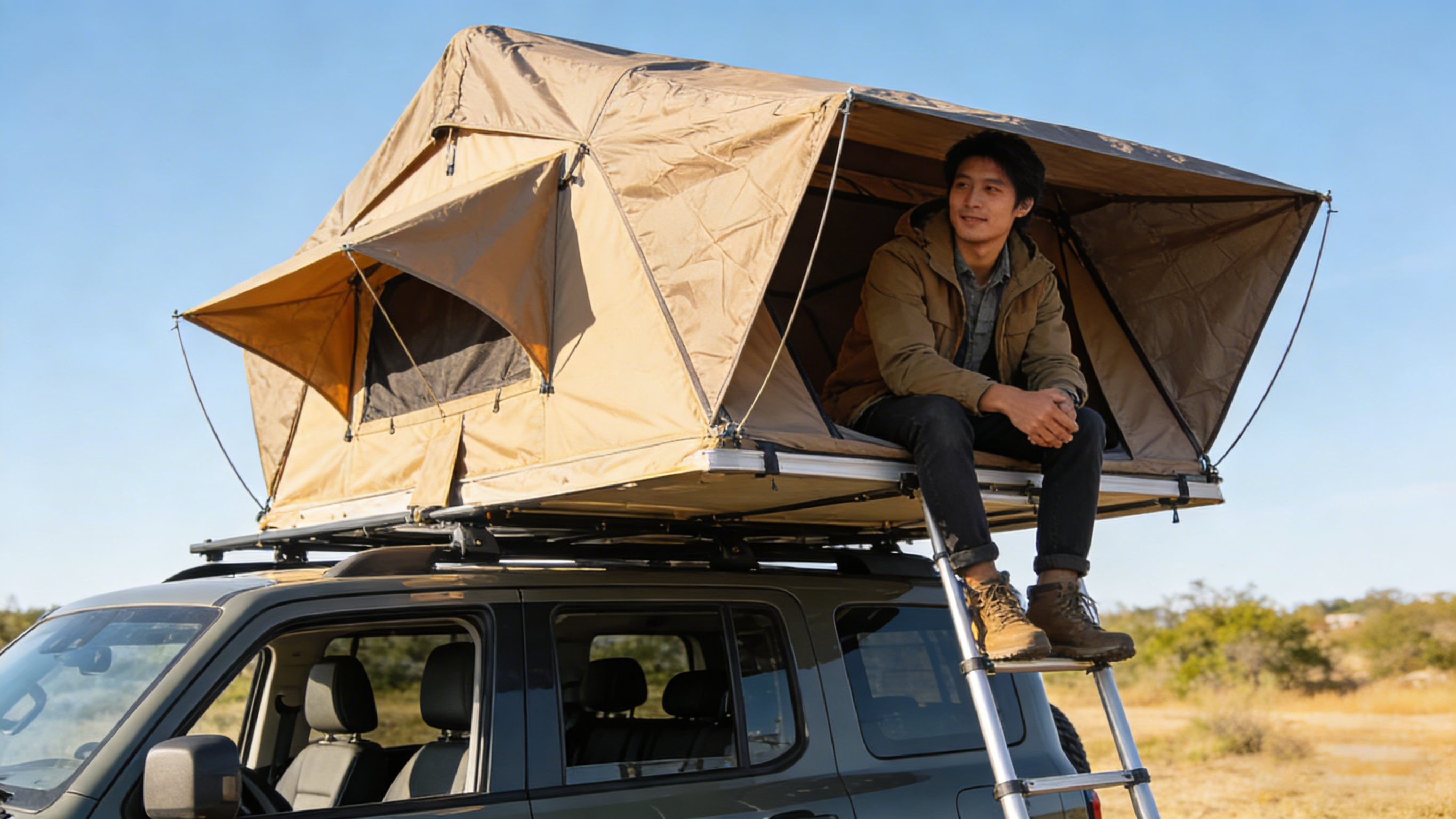
Durability and Weather Resistance: Comparing Core Car Rooftop Tent Materials
Hydrostatic Head Ratings vs. Real-World Sealed Seam Performance
The waterproof rating called hydrostatic head basically tells how well fabric resists water in controlled lab settings. Most manufacturers consider 3000mm the minimum acceptable level for car rooftop tents that need to handle typical weather conditions. But when it comes to actual performance out there in the rain, the real issue isn't just about the fabric itself. The integrity of those seams matters far more than any spec sheet might suggest. Regular stitching without proper tape creates countless tiny holes from the needles used in manufacturing, and these become entry points for water during heavy prolonged rains. We've seen field testing results where tents featuring welded seams stayed almost completely dry (around 98%) even after simulated storms lasting three whole days straight. Meanwhile, similar tents with just regular stitching ended up getting about 60% soaked under the same conditions. For anyone serious about staying dry throughout all seasons, look beyond the hydrostatic numbers and focus instead on tents made with PU coated materials and completely sealed seams.
UV Stability and Long-Term Degradation: Canvas, Ripstop Polyester, and Nylon
The way UV light breaks down different fabrics varies quite a bit. Take canvas for instance it breathes naturally but when left unprotected, it can lose around 40% of its strength after just 2000 hours under the sun. Ripstop polyester stands out because it holds onto its colors and structure much better than other materials thanks to those special additives that block UV rays. After five years in average sunlight conditions, we're talking only about 15% degradation. Nylon needs some extra help though. Without proper chemical treatments, this fabric tends to become brittle pretty quickly. In areas with intense sun exposure, nylon products often start cracking within 18 months. When working in harsh environments like deserts or along coastlines, many professionals turn to polyester blends with built-in UV protection. These materials strike a good compromise between lasting long enough and still managing moisture effectively what most outdoor gear needs to perform well over time.
Hard Shell vs. Soft Shell Car Rooftop Tent Materials: Strength, Weight, and Serviceability
ABS, Fiberglass, and Aluminum Shells: Impact Resistance, Corrosion, and Payload Trade-Offs
When it comes to hard shell car rooftop tents, structural integrity is definitely the main concern, which is why manufacturers go for rigid materials such as ABS plastic, fiberglass, and various aluminum alloys. Let's start with ABS plastic first. It gives decent impact resistance without breaking the bank, though we've all heard stories of these cracking when temperatures drop way below freezing. Then there's fiberglass, known for having great strength relative to its weight. The catch? These need regular maintenance checks to avoid those pesky delamination issues over time. Aluminum alloys stand out because they resist corrosion so well and last longer overall, but they come with a downside too. They typically weigh between 15 to 30 percent more than other options, something that matters a lot for anyone watching their vehicle's payload limits. Hard shell tents generally run around 50 to 100 kilograms compared to the lighter 20 to 50 kg range for soft shells. Most people who tackle rough terrain find that extra weight worth it since aluminum stands up better against rocks and branches during adventures. City dwellers looking for something less heavy duty often gravitate toward fiberglass instead, finding it strikes a nice balance between protection and manageability.
Soft Shell Floor Fabrics: Oxford, Canvas, and Blackout Weaves for Moisture Barrier Integrity
Most soft shell tents depend on special fabrics to keep out rain and dampness from the environment. Take Oxford nylon for instance, especially those 600D versions. They have really tight PU coatings that make them water resistant, but at the cost of letting air flow through properly. Canvas options, usually made from cotton polyester mixes, handle humidity better naturally because of their open weave structure. The downside? Untreated canvas will soak up water like a sponge. Then there are blackout weaves which combine light blocking layers with TPU membranes, giving them impressive waterproof ratings around 3,000mm hydrostatic head. Still, no matter how good the fabric is, everything falls apart if the seams aren't sealed properly. Bad stitching can ruin even the best materials. A recent report from Outdoor Textiles in 2024 found that nearly seven out of ten tent problems come down to leaky seams. So when shopping for a tent, maybe pay more attention to how well it's built than just what kind of fabric they used.
Weight, Cost, and Setup Efficiency of Car Rooftop Tent Materials
How Fabric and Shell Choice Affect Vehicle Payload, Fuel Economy, and On-Site Deployment Time
The materials used in car rooftop tents really affect how practical they are when it comes down to actual use. Let's look at weight first. Soft shell models usually weigh somewhere between 20 to 50 kilograms because they're made with lighter stuff like ripstop polyester. Hard shells constructed from aluminum or fiberglass tend to tip the scales much heavier, often hitting 50 to 100 kg. Most roof racks can handle around 75 to 100 kg before there's risk of damage, so this matters a lot for safety. When talking about aerodynamics, those bulky soft shells create quite a bit more wind resistance compared to streamlined hard shells. Studies on overlanding efficiency suggest drivers might see their fuel consumption drop by 10 to 20% at highway speeds just from this factor alone. Setting up the tent makes another big difference. High end hard shells can be deployed in under 15 seconds thanks to clever mechanical systems, but soft shells generally take anywhere from 5 to 10 minutes for all the poles and rainfly adjustments. Price tags reflect these differences too basic polyester tents come in around $1,000 while those fancy quick deploy hard shells will set someone back over $3,000. Finding the right balance depends on what kind of camper someone is. People who only go out occasionally probably care more about saving money upfront, whereas regular campers will appreciate spending extra on time saving features that make setup hassle free.
Thermal Performance and Climate Adaptability in Car Rooftop Tent Materials
What materials go into making a car rooftop tent makes all the difference when facing extreme temperatures. Better insulated models cut down on heat transfer about two thirds compared to standard fabric options. Some tents even feature special panels infused with aerogel that keep things comfortable inside from as cold as minus twenty degrees Fahrenheit right up to a hundred degrees. There are also materials that soak up excess heat during the day when temps hit around ninety five and then slowly let it out again at night. The membranes in these tents stay flexible even when it gets really icy outside, sometimes working down to negative forty degrees. If someone plans on camping near the coast, they need parts that resist salt damage to prevent rust problems. Up in mountainous regions, manufacturers build in special thermal breaks so frost doesn't form inside the tent walls. For those heading into desert environments, look for UV protection that lasts over six hundred hours under direct sunlight. How vents are placed throughout the structure helps manage air flow while still keeping warmth where it needs to be this has been tested successfully in field conditions as low as fifteen below zero. All these thoughtful design choices turn what would otherwise be just another tent into something capable of handling whatever weather comes its way through spring, summer, fall and winter alike.
Frequently Asked Questions (FAQs)
What is the significance of hydrostatic head ratings in rooftop tents?
Hydrostatic head ratings measure the fabric's ability to resist water under pressure. However, real-world performance heavily depends on the integrity of the seams, with sealed seams providing significantly better waterproofing than regular stitching.
How do UV rays affect different car rooftop tent fabrics?
UV rays can degrade the strength and color of tent fabrics over time. Canvas can lose up to 40% of strength after extended exposure, while ripstop polyester with UV-blocking additives only faces about 15% degradation over several years.
What are the advantages of hard shell over soft shell rooftop tents?
Hard shell tents offer better impact and corrosion resistance and are easier to deploy, though they are heavier. Soft shell tents are lighter but require more setup time, making them less convenient for frequent use.
How does fabric choice affect the thermal performance of rooftop tents?
Fabric choice greatly impacts thermal performance. Insulated panels, such as those infused with aerogel, can significantly enhance comfort by reducing heat transfer, being adaptable to extreme temperatures and maintaining structural flexibility in various conditions.
Table of Contents
- Durability and Weather Resistance: Comparing Core Car Rooftop Tent Materials
- Hard Shell vs. Soft Shell Car Rooftop Tent Materials: Strength, Weight, and Serviceability
- Weight, Cost, and Setup Efficiency of Car Rooftop Tent Materials
- Thermal Performance and Climate Adaptability in Car Rooftop Tent Materials
