EN

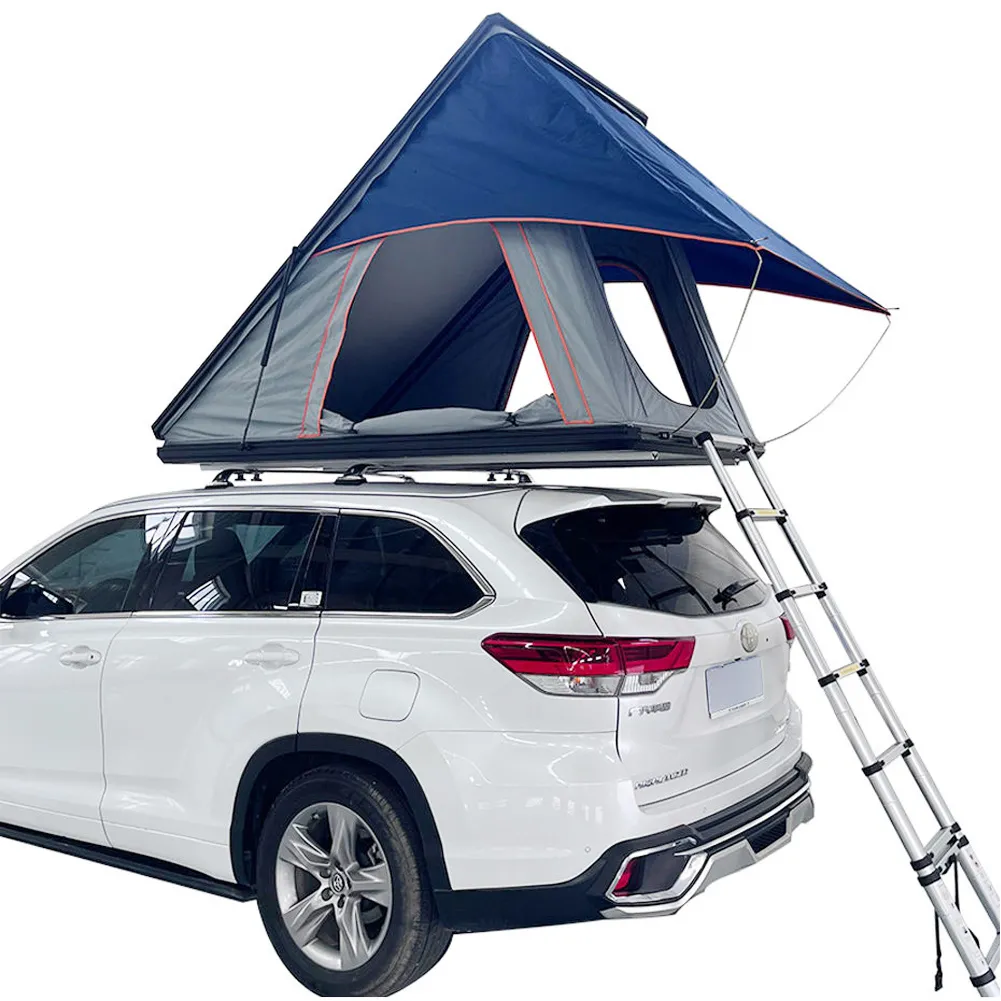
Elevation Advantage: Eliminating Ground-Level Threats
Avoiding Terrain Hazards and Hidden Obstacles
A car roof tent lifts you above unpredictable ground conditions—sharp rocks, exposed roots, and rain-carved depressions that compromise comfort and sleep quality in ground tents. Because the vehicle’s suspension absorbs slope and surface irregularities, your sleeping platform remains level and cushioned without site preparation. You park, deploy, and rest—no clearing, raking, or layering foam required. The car’s footprint becomes your pre-vetted, stable foundation. According to the 2023 Overland Gear Survey, elevated sleeping systems reduce back discomfort complaints by over 30% compared to ground setups—a testament to consistent support and reduced pressure points.
Flood Resilience and Water Drainage Superiority
Ground tents sit directly in water runoff paths, making them vulnerable during heavy rain or flash floods—even minor depressions can pool and seep through seams. A rooftop tent elevates you above saturated soil and surface flow, leveraging the vehicle’s natural drainage: rainwater sheds off the roof and down its sides, eliminating pooling beneath the tent floor. FEMA emphasizes that elevation is a primary factor in flood resilience for temporary shelters; this principle applies directly to vehicle-mounted systems. In 2022, a U.S. National Park Service ranger report documented zero flood-related evacuations among rooftop tent users, while several ground campers required relocation during the same storm events. With no need to dig trenches or reposition mid-storm, dry shelter is immediate and reliable.
Reduced Pest Exposure: Insects, Snakes, and Rodents
Ground-level camping invites constant contact with crawling and burrowing wildlife—ants, scorpions, rodents, and ticks drawn by warmth or food residue. A car roof tent introduces a vertical barrier most pests won’t cross: snakes and rodents rarely climb vehicles unless aided by branches or tall grass, and insects find the smooth, elevated vehicle surface far less hospitable than the moist, debris-rich perimeter of a ground tent. Outdoor gear lab testing (Trailspace, 2021) recorded an average of 4.2 insect intrusions per night in desert-ground tents versus just 0.3 in rooftop units. This height-based exclusion improves sleep hygiene, lowers bite and sting risk, and enhances safety—especially for families and solo travelers in high-pest environments.
Wildlife Deterrence: How Height Enhances Car Roof Tent Security
Elevation disrupts ground-level scent trails, removing the primary cue many large mammals—including bears and coyotes—use to locate campsites. At 1.5 meters or higher, your sleeping area falls outside their routine patrol zone. Field data from multiple overland safety organizations indicate that elevated rooftop tents reduce wildlife-triggered night disturbances by over 60%, with even greater reductions observed in bear-dense regions.
Height also functions as a physical deterrent. While climbing is possible, the unfamiliar texture of a vehicle’s side—combined with noise from metal and plastic panels—typically triggers avoidance behavior. Integrated mesh walls add a second line of defense, keeping out mosquitoes, flies, and crawling insects—particularly valuable after rain or in tick-prone terrain where ground tents often lose integrity. For backcountry campers, this vertical separation delivers tangible peace of mind: fewer startled awakenings, deeper rest, and security that requires no active monitoring. Choosing a rooftop tent transforms wildlife risk from a nightly concern into a passive advantage.
Theft Prevention: Visibility, Access Control, and Vehicle Integration
Passive Deterrence via Elevation and Surveillance Advantage
Mounted atop your vehicle, a car roof tent is highly visible—yet difficult to steal. Its elevation forces any attempt to involve climbing onto the vehicle, an action that draws attention in public spaces, under streetlights, or within parking lot surveillance zones. Unlike a ground tent concealed behind vegetation, the roof tent remains in plain sight, integrated with your vehicle’s security ecosystem: locked doors, factory alarms, and increasingly common tilt sensors all activate if someone attempts roof access. Removal requires tools, time, and familiarity with roof-rack hardware—making opportunistic theft impractical. In contrast, ground tents offer silent, unobstructed access. This built-in visibility and integration deliver robust, low-effort protection.
Built-In Structural Security: Locking, Anchoring, and Weather Resistance
Integrated Locking Systems and Vehicle-Anchored Stability
Car roof tents are engineered for security—not just convenience. They feature lockable zippers or hardened latches that deter unauthorized entry, effectively turning the unit into a secure compartment. Simultaneously, they’re bolted or strapped directly to the vehicle’s roof rails or crossbars, creating a rigid, uplift-resistant anchor. This dual-layer integration ensures stability in high winds, minimizes vibration-induced wear, and leverages the vehicle’s mass for added inertia. The result is a weather-resistant, theft-resilient sleeping pod—where structural integrity and security are inherent, not afterthoughts.
FAQ
What are the advantages of using a car roof tent over a ground tent?
Car roof tents provide better elevation, which eliminates the risks associated with ground-level obstacles, pests, and flooding. They also deter wildlife and offer built-in theft and weather resistance.
Are rooftop tents resistant to heavy rain and flooding?
Yes, rooftop tents are designed to handle heavy rain by leveraging the vehicle’s natural drainage system. This elevation prevents water pooling beneath the tent as happens with ground tents.
How does a car roof tent reduce wildlife disturbances?
The elevation disrupts ground-level scent trails and places the sleeping area outside the patrol zones of many large animals like bears and coyotes. The height also acts as a physical deterrent.
Do rooftop tents provide protection against theft?
Yes, rooftop tents are integrated with the vehicle’s security features, such as alarm systems and tilt sensors. These tents also require tools and technical knowledge to be removed, making theft difficult.
Are rooftop tents pest-proof?
Rooftop tents significantly reduce pest exposure as their elevation creates a barrier against crawling insects, snakes, and rodents. Their smooth surfaces and sealed designs further deter pests.