EN
EN

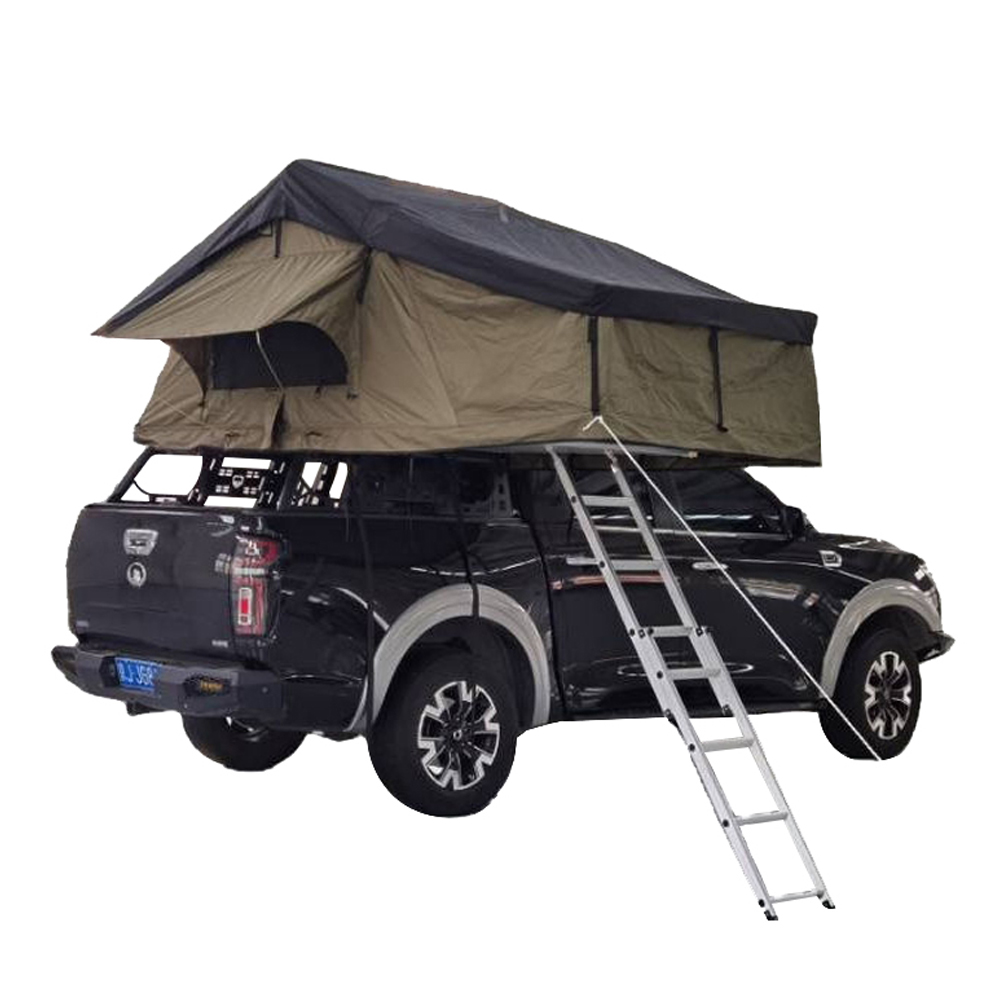
Understand Your Car Rooftop Tent’s Load Capacity and Mounting Constraints
Before loading furniture onto your vehicle, verify your car rooftop tent’s weight limits and mounting system. These two factors determine safe loading and driving stability.
Dynamic vs. Static Weight Limits: What They Mean for Safe Furniture Loading
Your vehicle’s roof has two distinct weight ratings: dynamic (while moving) and static (while parked). The static rating is typically three to five times higher—but because furniture is transported on the road, the dynamic load capacity is the only one that matters for safe travel. Most mid-size SUVs and crossovers have a dynamic roof load limit of 50–75 kg. A typical hard-shell rooftop tent weighs 40–70 kg on its own. Adding even modest camping furniture (20–45 kg) can easily exceed the safe threshold. Overloading stresses the roof structure, degrades handling, and may void insurance coverage. Always consult your vehicle’s owner’s manual or manufacturer-spec sheet for its official dynamic rating—then subtract the combined weight of the tent, roof rack, and any permanently mounted accessories. The remainder is your absolute maximum for furniture and gear.
Roof Rack Compatibility: Cross-Checking Tent Mounting Systems and Vehicle Fit
A roof rack serves as the critical interface between your vehicle and rooftop tent—and compatibility isn’t universal. Your roof type—flush rails, raised rails, or bare metal—dictates which rack feet and crossbars you need. Likewise, your tent’s mounting brackets must align precisely with your crossbar shape (e.g., round, square, or aerodynamic) and spacing. Crucially, the rack itself must carry a dynamic load rating equal to or greater than the total weight of the tent plus all cargo. Equally important is load distribution: the rack should span the full width of the roof and use all available mounting points to spread force evenly. Poorly fitted or flexible racks concentrate stress, risking dents or long-term structural fatigue. For confidence, cross-reference the rack’s specifications against both your tent’s mounting instructions and your vehicle’s roof load limit—and consult a trusted roof rack manufacturer’s fit guide when in doubt.
Calculate Realistic Space and Weight Budgets for Camping Furniture
Measuring Available Roof Load Area After Tent Installation
Once your car rooftop tent is installed, usable roof space shrinks dramatically. A typical folded tent occupies roughly 140 cm × 120 cm—up to 80% of a standard SUV rack’s surface. To determine remaining capacity, measure the exact free length and width between the tent’s mounting brackets and your roof’s edges. On most crossbar systems, this leaves only a narrow strip—often just 30 cm deep by 90–100 cm wide—along the front or rear section. Also account for the tent’s closed thickness (15–30 cm); any furniture stacked above that height risks fouling the shell or hardware. Precise measurement before packing prevents interference with mounting clamps and avoids dangerous overhang that could shift during transit.
Allocating Weight Wisely: Tent (40–70 kg), Furniture (20–45 kg), and Essentials
Vehicle dynamic roof load limits—not tent specs or personal preference—are the governing constraint. While some midsize SUVs list up to 100 kg, many are rated at 75 kg; always defer to your vehicle’s official figure. A common hard-shell tent weighs 55–65 kg, leaving just 15–40 kg for furniture, clothing, food, water, and other essentials. If your tent and rack consume 60 kg of a 90 kg budget, only 30 kg remains—meaning a 25 kg furniture set uses nearly all your margin. Reserve the final grams for non-negotiable items like water and cooking gear, and never exceed 90% of your dynamic rating to preserve safety headroom. Weigh every component on a calibrated luggage scale before departure, and log results in a pre-trip checklist to prevent accidental overloading and maintain vehicle stability.
Select Camping Furniture Designed for Car Rooftop Tent Integration
Modular, Compact, and Roof-Rack–Friendly Furniture Options
Furniture built for rooftop tent camping must prioritize modularity, low profile, and minimal footprint. Look for collapsible aluminum tables, stackable chairs that nest tightly, and hammocks engineered to attach directly to roof rack crossbars—eliminating separate stands and saving both weight and space. Modular storage cubes that double as seats or side tables keep camp essentials organized without occupying roof real estate. Choose pieces with smooth, rounded edges to prevent snagging tent fabric during transport. The goal is a cohesive kit that fits cleanly within the remaining roof capacity after accounting for the tent’s 40–70 kg mass—enabling a complete, stable setup without breaching your vehicle’s dynamic weight limit.
Top-Rated Furniture Brands Optimized for Car Rooftop Tent Campers
Prioritize brands that engineer specifically for roof-rack systems and vehicle-based camping—not repurposed backyard gear. Leading manufacturers offer oversized awnings that mount seamlessly to the tent’s rails, extending covered living space without extra poles or stakes. Others design ultra-lightweight recliners that deploy in seconds and stow in the same waterproof bag as the tent. Real-world feedback consistently highlights wind stability, UV resistance, and frame durability—especially under repeated rooftop vibration. Aluminum frames dominate over steel for weight savings, while breathable, water-repellent fabrics balance comfort and weather readiness. Reputable brands also publish compatibility charts matching their products to popular roof rack profiles (e.g., Thule, Yakima, Rhino-Rack), simplifying fit verification. This intentional design ensures your furniture enhances—not complicates—your rooftop tent experience.
FAQ
What is the difference between dynamic and static weight limits?
Dynamic weight limits refer to the weight your car's roof can support while the vehicle is in motion, while static weight limits are higher and indicate the roof's capacity when the vehicle is stationary. For transporting furniture, only the dynamic weight limit matters.
How can I calculate how much weight I can carry with a rooftop tent?
You should check your car’s dynamic load rating, then subtract the combined weight of the tent, roof rack, and any fixed accessories. The remainder is the maximum weight for your furniture and other items.
How do I know if my roof rack is compatible with my rooftop tent?
Ensure your roof rack matches your vehicle’s roof type and your tent's mounting system. Also, confirm it has sufficient dynamic load capacity, spans the entire roof, and uses all mounting points to evenly distribute weight.
What type of camping furniture works best with a rooftop tent setup?
Look for modular, collapsible, and lightweight furniture like aluminum tables, stackable chairs, or hammocks designed to attach to roof racks. Avoid bulky or heavy items that may exceed weight limits.
Why should I avoid exceeding 90% of my car's dynamic weight limit?
Staying below 90% of the maximum ensures safety, retains handling stability, and provides a margin of error to prevent unintentional overloading.
Table of Contents
- Understand Your Car Rooftop Tent’s Load Capacity and Mounting Constraints
- Calculate Realistic Space and Weight Budgets for Camping Furniture
- Select Camping Furniture Designed for Car Rooftop Tent Integration
-
FAQ
- What is the difference between dynamic and static weight limits?
- How can I calculate how much weight I can carry with a rooftop tent?
- How do I know if my roof rack is compatible with my rooftop tent?
- What type of camping furniture works best with a rooftop tent setup?
- Why should I avoid exceeding 90% of my car's dynamic weight limit?