EN
EN

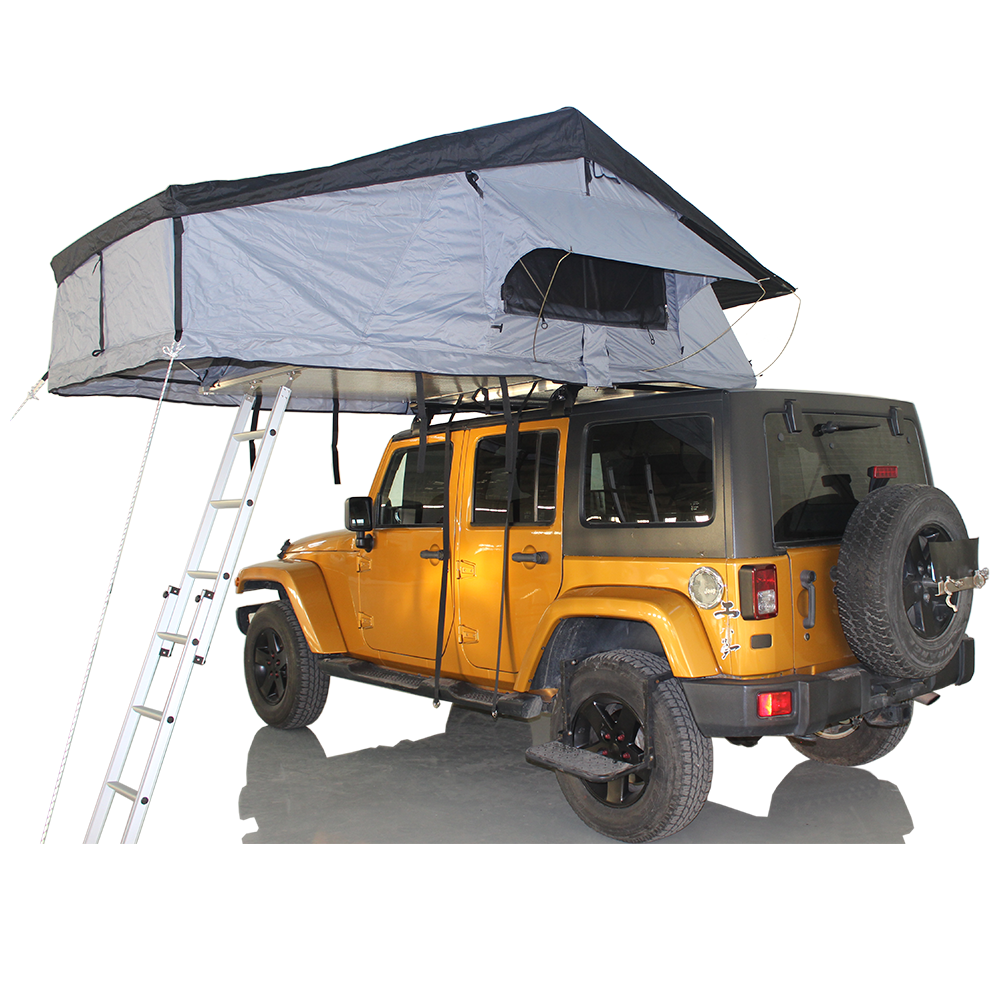
Roof Tent Evolution: From Summer-Only to True Four-Season Capability
The modern roof tent has shifted from a fair-weather accessory to a fully engineered all-weather shelter. A 2023 Overland Journal survey reveals that 68% of buyers now prioritize winter readiness, pushing manufacturers to rethink every material and structural detail. The result is a new generation of roof tents that can handle snow loads, sub-zero temperatures, and high winds while remaining livable.
Structural and material innovations enabling snow load tolerance and thermal retention
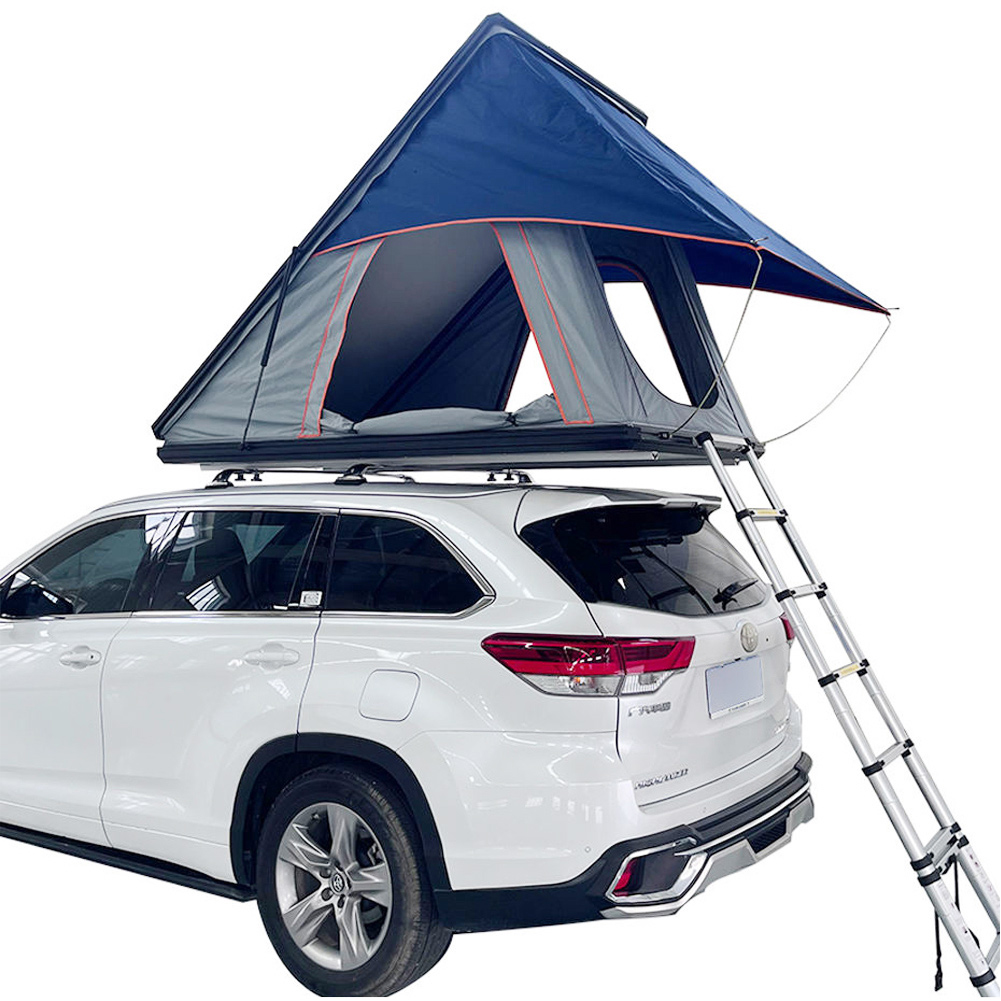
Four-season roof tents achieve their resilience through reinforced framing and advanced textiles. Aluminum alloy frames with thicker tubing and triangulated truss designs distribute snow weight evenly—supporting static loads of 150 kg or more. Canopy fabric has evolved from basic 300D polyester to rugged 600D ripstop, often backed by a quilted thermal liner that traps body heat and minimizes cold bridging. Hard-shell models go further, using rigid, aerodynamic roofs that shed snow naturally and eliminate flat surfaces where drifts accumulate. Dual-layer construction and condensation-control ventilation—low-level intake vents paired with high-level exhaust ports—create steady airflow that removes moisture before it freezes. This integrated approach keeps the interior dry and comfortable even during prolonged sub-zero conditions.
Case comparison: Hard-shell innovation vs. early soft-shell roof tents (2015–2023)
A leading hard-shell roof tent launched in 2023 exemplifies the leap forward. Its insulated aluminum honeycomb panels and integral gas-strut mechanism allow setup in under five minutes, while the rigid structure withstands 105 km/h winds and sheds fresh snow effortlessly. In contrast, early soft-shell models from 2015 typically used uninsulated 300D polyester canopies, thin fiberglass poles, and a separate rainfly—complicating setup (often taking 20+ minutes) and compromising stability. These older designs lacked structural integrity for heavy snow loads; fabric sagging and rainfly collapse were common in serious storms. Without quilted liners or effective vapor barriers, they also suffered rapid condensation buildup and minimal wind-chill resistance. The 2023 hard-shell model eliminates those compromises—integrating multi-layer insulation, full sealing, and aerodynamic optimization to deliver consistent performance across summer heat and winter blizzards.
Four-Season Roof Tent Performance: Engineering Weather Resistance and Durability
Dual-layer insulation, reinforced aluminum frames, and condensation-control ventilation
Dual-layer insulation forms the cornerstone of four-season design: an outer weatherproof shell and a breathable inner liner trap a stable air pocket, drastically reducing conductive heat loss while blocking moisture ingress. Reinforced aluminum frames—often with geodesic or aerodynamic profiles—distribute snow loads evenly and resist deformation under wind gusts exceeding 60 mph. Corrosion-resistant coatings and anodized finishes protect against road salt, gravel impact, and UV degradation. Equally critical is condensation-control ventilation: adjustable roof vents and low-profile mesh panels enable vapor to escape without drafts, while some models incorporate an integrated vapor barrier layer to direct moisture outward entirely. Together, thermal retention, frame resilience, and active moisture management transform a roof tent into a dependable, year-round shelter.
User Demand Driving the Shift: From Occasional Use to All-Weather Mobile Shelter
Data insight: 68% of 2023 roof tent buyers prioritized winter readiness (Overland Journal Survey)
Consumer priorities have shifted dramatically. A 2023 Overland Journal survey found that 68% of roof tent buyers now rank winter readiness as a top requirement—up from just 22% in 2019. This reflects a broader move away from fair-weather camping toward year-round overlanding. Buyers expect reliable shelter in sub-zero temperatures, high winds, and heavy snow—and no longer accept a tent that folds away after the first frost. The data confirms that modern adventurers view a roof tent as a permanent, all-season asset—not a summertime luxury.
Modular upgrades—insulated floor panels, wind skirts, and heated accessories—extending operational range
Modular components transform a basic shelter into a true cold-weather haven. Insulated floor panels block conductive heat loss, while wind skirts seal the gap between tent and vehicle—cutting drafts by up to 80%. Heated accessories, such as 12-volt mattress pads and portable forced-air units, enable comfortable sleep at -20°C. These upgrades are easy to add or remove, letting users tailor their rig to the forecast. By extending the operational range well below freezing, modular designs turn a roof tent into a versatile, all-weather basecamp that keeps pace with ever-changing adventures.
The Business and Lifestyle Impact of Four-Season Roof Tent Adoption
The market shift toward four-season roof tents is reshaping both commercial operations and personal travel. Rental fleets, glamping sites, and tour operators can now extend booking windows into fall and winter—capturing revenue previously lost to seasonal closures. For individual users, a single four-season unit eliminates the need to own separate summer and winter shelters, lowering total cost of ownership. It also enables spontaneous trips across shoulder seasons and supports remote work from off-grid locations—turning a vehicle into a true all-weather mobile base. This convergence of higher asset utilization for businesses and greater lifestyle flexibility for users is accelerating mainstream adoption of year-round roof tent systems.
FAQ Section
What is a four-season roof tent?
A four-season roof tent is a shelter designed with structural reinforcements, advanced materials, and insulation to withstand extreme weather, including heavy snow, sub-zero temperatures, and high winds.
What are the key features of a four-season roof tent?
Key features include dual-layer insulation, reinforced aluminum frames, condensation-control ventilation, and modular upgrades such as insulated floor panels and heated accessories.
How does a hard-shell roof tent compare to a soft-shell model?
Hard-shell roof tents are typically more durable, easier to set up, and better-equipped for severe weather. They feature insulated panels and aerodynamic designs that shed snow and resist wind, whereas older soft-shell models often lack advanced insulation and structural integrity.
Can modular components improve my roof tent's performance in winter?
Yes! Modular upgrades like wind skirts, insulated floor panels, and heated accessories can significantly enhance thermal retention and comfort, extending your tent's operational range in freezing conditions.
Why has winter readiness become a priority for roof tent buyers?
Adventurers now seek year-round usability and reliability, with 68% of buyers prioritizing winter readiness in 2023, reflecting the growing demand for all-weather overlanding capabilities.
Table of Contents
- Roof Tent Evolution: From Summer-Only to True Four-Season Capability
- Four-Season Roof Tent Performance: Engineering Weather Resistance and Durability
- User Demand Driving the Shift: From Occasional Use to All-Weather Mobile Shelter
- The Business and Lifestyle Impact of Four-Season Roof Tent Adoption
- FAQ Section