EN
EN

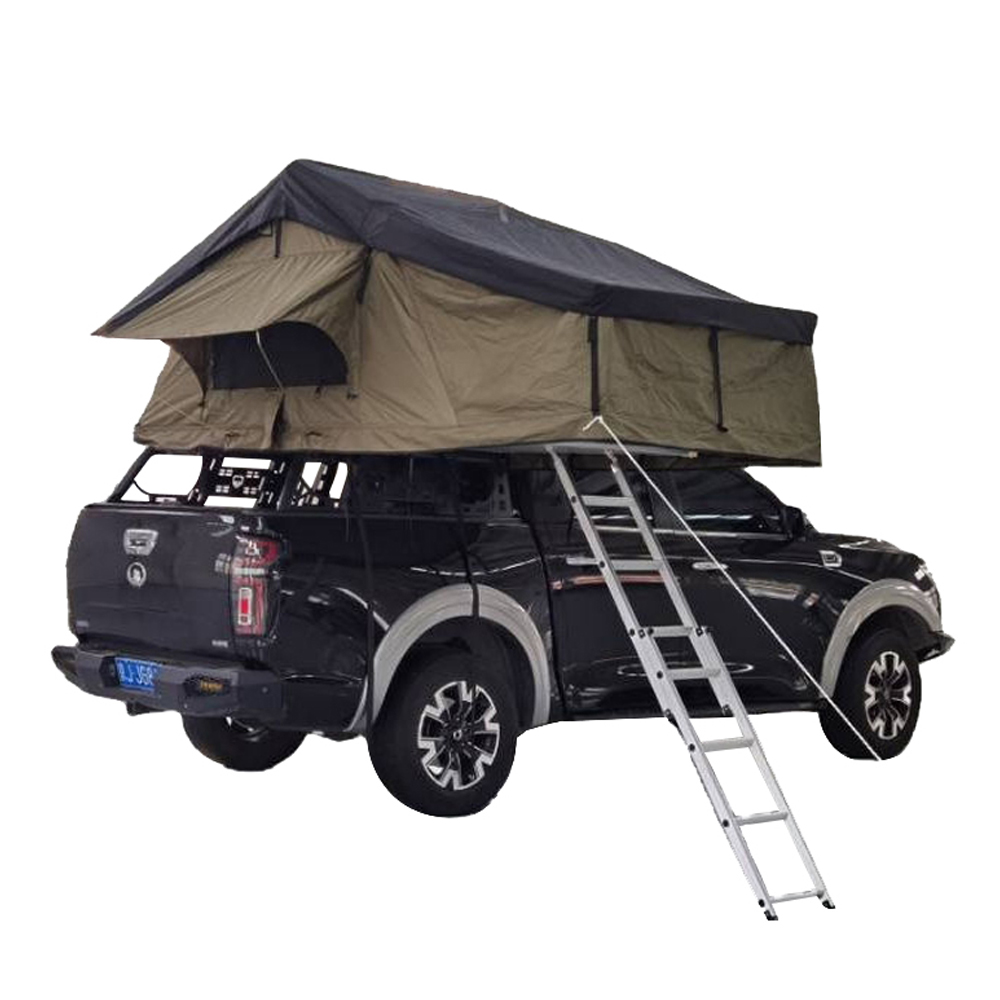
Space Efficiency: How a Car Rooftop Tent Maximizes Mobility Without Compromising Comfort
Preserving interior vehicle space for gear and passengers
A car rooftop tent shifts sleeping quarters to the roof, freeing the cabin for essentials. Instead of cramming a ground tent, sleeping bags, and pads inside, you reclaim valuable cargo area—critical on long trips where every inch counts. Organized gear stays accessible without cluttering passenger seats, and bulky items like coolers, recovery boards, or extra fuel can be safely stowed. For couples, the cabin remains a dedicated dressing area, meal-prep zone, or shelter during bad weather. This functional separation reduces daily repacking and mental clutter, transforming your vehicle into a mobile basecamp that feels spacious, not stuffed.
Ultralight and compact design: ideal car rooftop tent options for solo travelers vs. couples
Weight and folded dimensions directly impact vehicle dynamics and fuel economy. A typical hard-shell car rooftop tent for solo travelers weighs 95–130 lbs and stows under 10 inches thick—minimizing wind resistance and fitting on compact SUVs and crossovers with appropriately rated roof racks. Soft-shell models offer even lighter alternatives while maintaining a slim profile. Two-person tents range from 120–160 lbs: still far lighter than a trailer, yet wide enough for comfortable shared sleep. Wind tunnel testing by a leading manufacturer (2022) confirmed that a low-profile rooftop tent incurs only a 2–3% highway fuel economy penalty—negligible for most weekend trips. Solo adventurers benefit from narrower, aerodynamic shells that leave room for kayak or bike racks; couples gain maneuverability and flexibility for impromptu roadside stops.
Speed and Simplicity: Rapid-Deploy Car Rooftop Tent Setup for On-the-Go Travelers
Under-90-second deployment validated by field testing and user surveys
The rapid-deploy design of a car rooftop tent transforms a roadside stop into a comfortable sleeping space in under 90 seconds. Independent field tests show leading hard-shell models open in as little as 45–60 seconds using gas-strut-assisted mechanisms, while soft-shell variants consistently deploy in under 90 seconds via a simple sequence: unzip the cover, unfold the platform, and extend the ladder. A 2023 user survey found that 88% of owners complete setup in under 90 seconds, averaging 75 seconds—with no physical strain reported. Because the mattress, bedding, and pillows remain pre-installed inside the folded unit, there’s no unpacking required. Solo travelers operate it effortlessly; couples enjoy seamless teamwork. Eliminating ground-level assembly—no poles, stakes, or rain flies—removes friction, making the car rooftop tent the definitive quick-camp solution for spontaneous adventures.
Safety, Comfort, and Privacy: Elevated Advantages of a Car Rooftop Tent
Wildlife, weather, and terrain resilience from elevated sleeping
Sleeping above the ground transforms your campsite into a secure retreat. A car rooftop tent lifts you clear of damp soil, crawling insects, and curious animals—field observations indicate up to an 80% reduction in wildlife encounters. The elevated platform stays dry even when rain pools beneath, and it eliminates the need to find perfectly level ground: just park and set up on rocky pullouts, sandy beaches, or gravel shoulders. Its low-profile shape and rigid mounting reduce sway in strong winds, while the high-density foam mattress insulates against cold air rising from the earth—keeping you warmer in chilly conditions. By combining structural stability, weatherproof fabric, and elevation, the rooftop tent delivers restful, worry-free sleep.
Dedicated, enclosed space enhances privacy and thermal efficiency for couples
For couples, a rooftop tent creates a private, cocoon-like retreat distinct from the outside world. The fully enclosed canopy and zippered windows block prying eyes at crowded campsites, while thick fabric dampens ambient noise. Its compact volume allows body heat from two people to raise interior temperature quickly—a 2023 thermal comparison showed a 12 °F warmer interior than a similarly sized ground tent under identical conditions. The built-in mattress and insulated floor further reduce conductive heat loss through the vehicle roof. This microclimate boosts comfort on cool nights and fosters intimacy, turning even a simple overnight stop into a uniquely private and restorative experience.
Long-Term Value: Cost Efficiency of a Car Rooftop Tent for Weekend and Road Trip Use
The upfront cost of a car rooftop tent—typically $1,500 to $4,000—may appear high compared to a ground tent, but its long-term value emerges when offset against recurring accommodation expenses. Over just a few years of regular weekend trips, the per-night cost drops well below $20. With proper maintenance, a quality rooftop tent can last a decade or more, spreading the investment across hundreds of nights. Its durability, combined with the ability to camp freely in remote locations—bypassing hotel stays and campground fees—makes it a demonstrably cost-efficient choice for frequent travelers.
FAQ
What is a car rooftop tent?
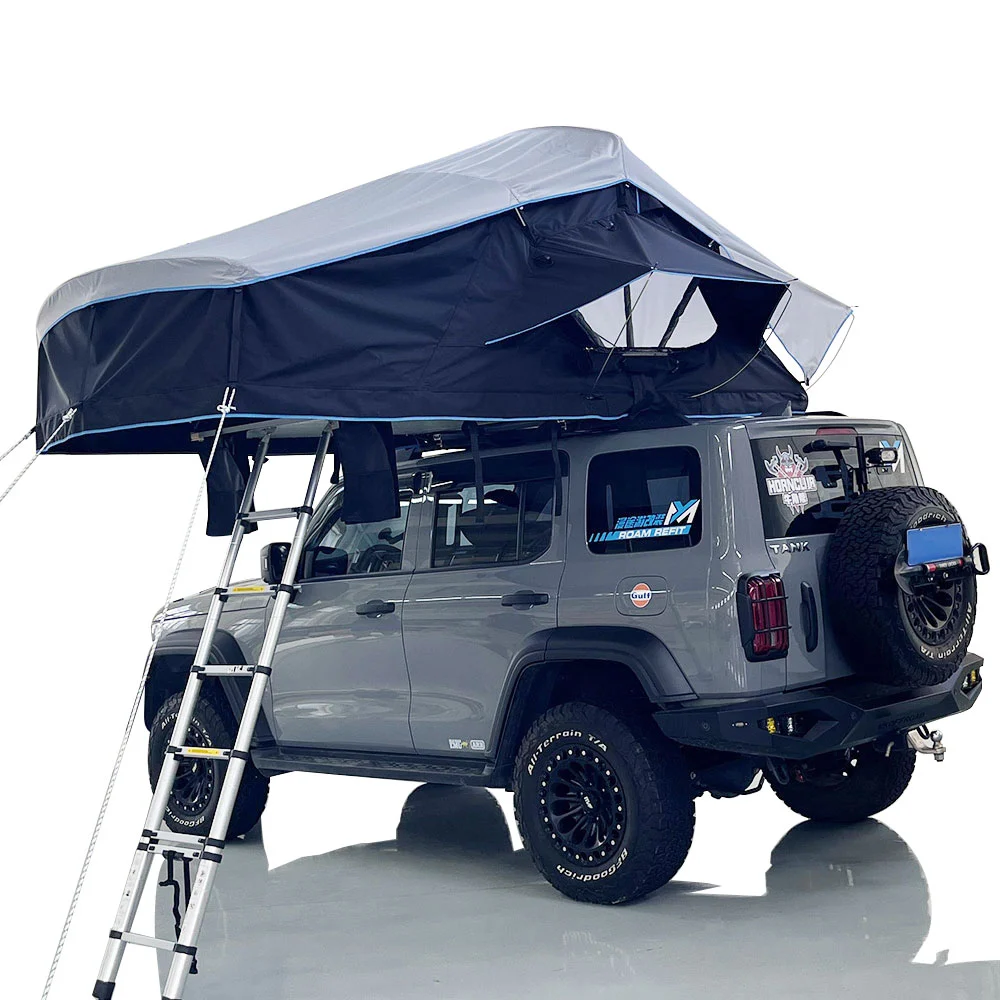
A car rooftop tent is a compact, elevated sleeping solution mounted on the roof of a vehicle, offering convenience, mobility, and comfort for campers.
How much weight do rooftop tents add to vehicles?
Hard-shell rooftop tents typically weigh 95–160 lbs depending on size and design, while soft-shell variants are generally lighter.
How quickly can a rooftop tent be set up?
Rooftop tents can be deployed in under 90 seconds. Hard-shell models often open in about 45–60 seconds using gas-struts, while soft-shell tents take slightly longer.
Are rooftop tents safe for camping in remote areas?
Yes, rooftop tents elevate sleeping above ground level, which significantly reduces encounters with wildlife and offers better weather resistance.
How long do rooftop tents last?
With proper maintenance, a quality rooftop tent can last over a decade, making it a cost-effective camping solution.
Table of Contents
- Space Efficiency: How a Car Rooftop Tent Maximizes Mobility Without Compromising Comfort
- Speed and Simplicity: Rapid-Deploy Car Rooftop Tent Setup for On-the-Go Travelers
- Safety, Comfort, and Privacy: Elevated Advantages of a Car Rooftop Tent
- Long-Term Value: Cost Efficiency of a Car Rooftop Tent for Weekend and Road Trip Use
- FAQ