EN
EN

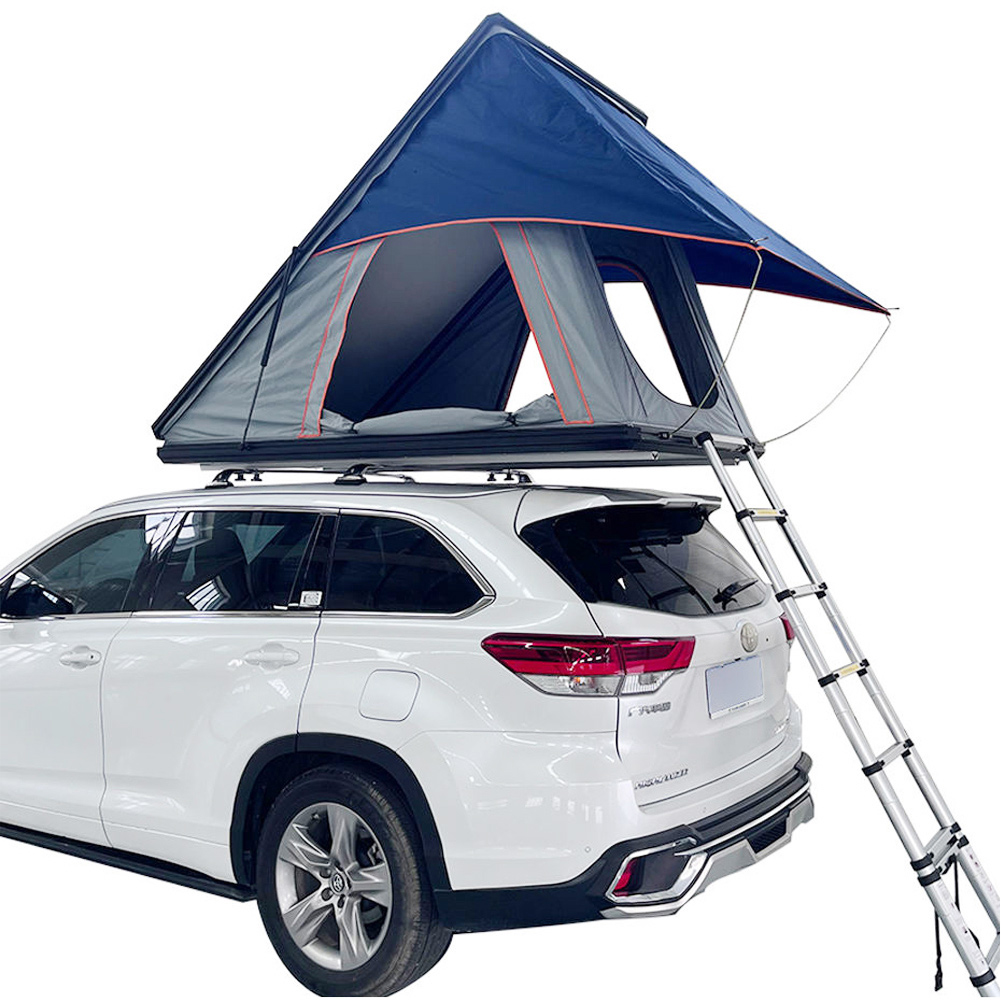
Shifting Consumer Priorities: Portability, DIY Setup, and Adventure Mobility Drive Rooftop Tent Lightweighting
The rise of self-guided overlanding: How evolving travel behaviors elevate demand for sub-45 kg rooftop tents
From weekend warriors to full-time digital nomads, a new generation of overlanders favors self-guided trips that demand rooftop tents under 45 kg. Lightweight shelters let solo travelers mount and dismount without assistance—cutting setup time to under 10 minutes. As vehicles increasingly double as daily drivers and adventure platforms, roof load capacity and fuel economy have become critical constraints. A rooftop tent exceeding 50 kg can add significant aerodynamic drag, reducing highway fuel efficiency by up to 15% (Automotive Engineering 2023). Buyers now routinely filter by weight, with sub-45 kg models establishing the baseline for portability and DIY accessibility. Compact folding designs minimize storage footprint, while quick-release brackets simplify removal for weekday commutes. For many, the ability to spontaneously set up camp on a remote trail—without a second pair of hands—has turned lightweight tents from a nice-to-have into a must-have, reflecting a broader cultural shift toward unassisted, flexible adventure.
Real-world usability data: 68% of buyers reject rooftop tents exceeding 45 kg due to installation complexity and vehicle compatibility
A 2024 survey of 1,200 overlanding enthusiasts found that 68% would not purchase a rooftop tent heavier than 45 kg (Overland Equipment Buyer Survey 2024). The primary barriers cited were physical strain during solo installation and incompatibility with standard roof racks. Many compact SUVs and crossovers have dynamic roof load ratings below 75 kg—leaving little margin for a heavy tent plus gear. Even when technically within spec, lifting a 50 kg+ tent onto a tall vehicle deters frequent use. Lightweight alternatives under 40 kg reduce both personal injury risk and potential vehicle damage. This data confirms weight is not merely a convenience factor—it’s a hard usability threshold for the majority of today’s buyers.
Engineering Lightness: Material Science and Structural Innovations in Modern Rooftop Tents
Next-gen fabrics and composites: Ripstop nylon, Dyneema® hybrids, and thermoplastic laminates reducing shell weight by up to 40%
Modern rooftop tent design begins with material selection. Ripstop nylon—often silicone- or polyurethane-coated—delivers high tear resistance and reliable waterproofing at remarkably low weight. Dyneema® composite fabrics push further: their ultra-high molecular weight polyethylene fibers offer exceptional strength-to-weight ratios, enabling shells up to 40% lighter than those made from traditional canvas or polyester. Thermoplastic laminates eliminate heavy backing layers entirely, enabling seamless, bonded construction that cuts mass while improving weather resistance and UV durability. By replacing bulkier textiles with engineered composites, manufacturers now deliver both hard-shell and soft-shell tents reliably under the 45 kg threshold demanded by solo travelers and vehicle-conscious buyers.
Smart structural solutions: Aluminium exoskeletons, inflatable drop-stitch floors, and optimized hard-shell geometry
Weight savings extend beyond fabric to skeletal architecture. Aluminium alloy exoskeletons replace heavier steel frames—shaving kilograms while maintaining rigidity and corrosion resistance. Tapered tube profiles and strategic cross-bracing remove redundant material without compromising wind stability. Inflatable drop-stitch floors—adapted from paddleboard technology—use high-pressure air chambers sandwiched between fabric layers to create rigid, flat surfaces that roll compactly, eliminating plywood or composite floor panels entirely. Hard-shell models benefit from finite element analysis–driven geometry optimization, placing material only where stress concentrates. The result is a streamlined, aerodynamic shape that reduces drag, minimizes material use, lowers the center of gravity, and simplifies installation across a wider range of vehicles.
Performance Advantages of Lightweight Rooftop Tents Beyond Convenience
A lightweight rooftop tent transforms vehicle dynamics—not just campsite speed. Shedding 20–30 kg from the roof reduces mechanical strain on roof racks, crossbars, and suspension components, extending service life and lowering long-term maintenance costs. It also lowers the vehicle’s center of gravity, reducing body roll during cornering and delivering more predictable handling on winding mountain roads or uneven trails—boosting driver confidence whether navigating city streets or remote fire roads.
Fuel efficiency gains are equally meaningful. While any roof-mounted tent increases aerodynamic drag, a sub-45 kg design paired with a streamlined hard-shell profile cuts through the air more cleanly than bulkier alternatives. Real-world testing shows such tents reduce fuel consumption penalties by as much as 15% compared to heavier soft-shell models—especially at highway speeds. Over multi-week trips, those savings compound, preserving both budget and range between refueling stops.
Vehicle compatibility expands dramatically with reduced weight. Compact SUVs, crossovers, and even some sedans can safely carry a 35–40 kg rooftop tent—opening adventure to drivers previously excluded by roof load limits. Lighter tents also make solo installation and removal far less physically demanding; one person can lift, position, and secure the unit without assistance—removing a key barrier to spontaneous trips. Finally, storage becomes practical: a tent under 50 kg can be handled, stored overhead, or moved around a garage with minimal effort—making it a sustainable, long-term addition to any gear collection.
Market Validation: Hard-Shell Rooftop Tent Adoption and Weight Benchmarking Trends
Statista 2024 data: 57% of premium rooftop tent sales are hard-shell models — 82% of which weigh under 50 kg
The premium rooftop tent market is unmistakably pivoting toward hard-shell designs, with Statista 2024 reporting that 57% of high-end sales now come from rigid enclosures. Among them, 82% weigh under 50 kg—a threshold directly aligned with the 45 kg usability ceiling identified in buyer research. This weight target reflects real-world roof load limits of popular overlanding platforms and enables single-person mounting and removal. The fastest-growing models cluster between 42 kg and 48 kg, where advanced aluminium exoskeletons and thermoplastic laminates shave mass without sacrificing weather resistance or structural integrity. The convergence of lightweight engineering and hard-shell adoption is redrawing the competitive landscape—ensuring the most sought-after rooftop tents are both aerodynamically efficient and effortlessly portable.
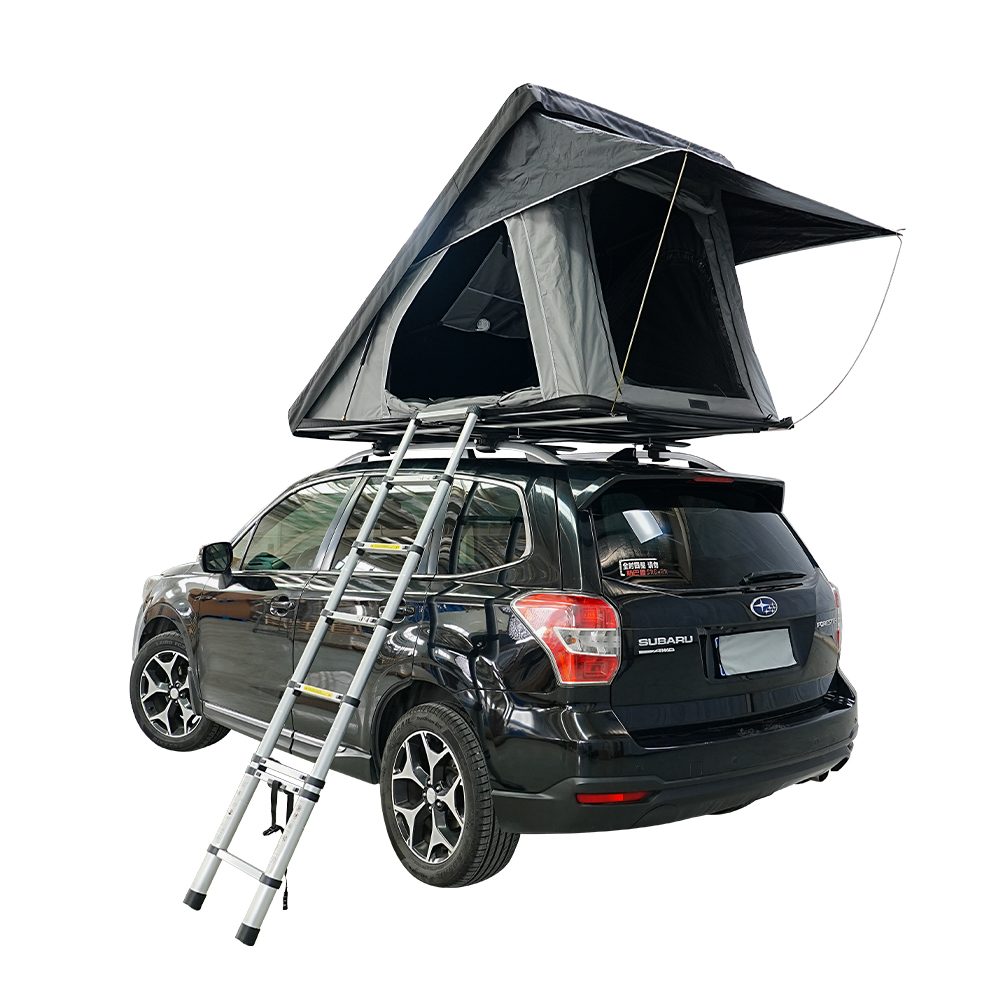
FAQ
What is the main reason consumers prioritize lightweight rooftop tents? Consumers prioritize lightweight rooftop tents for increased portability, easier DIY setup, improved fuel efficiency, and compatibility with a wider range of vehicles.
What materials are commonly used to make rooftop tents lightweight? Materials like ripstop nylon, Dyneema® composites, and thermoplastic laminates are commonly used in lightweight rooftop tents for their durability, weather resistance, and low weight.
How does a lighter rooftop tent improve vehicle performance? A lighter rooftop tent reduces mechanical strain on roof racks, lowers the center of gravity for better handling, and decreases aerodynamic drag, which can improve fuel efficiency.
What is the threshold weight preferred by most rooftop tent users? The preferred weight threshold for rooftop tents is under 45 kg, as identified in consumer surveys, to ensure ease of use and vehicle compatibility.
Why are hard-shell rooftop tents gaining popularity? Hard-shell rooftop tents are gaining popularity because they are aerodynamically efficient, lightweight, and easier to set up and take down, making them suitable for solo travelers.
Table of Contents
- Shifting Consumer Priorities: Portability, DIY Setup, and Adventure Mobility Drive Rooftop Tent Lightweighting
- Engineering Lightness: Material Science and Structural Innovations in Modern Rooftop Tents
- Performance Advantages of Lightweight Rooftop Tents Beyond Convenience
- Market Validation: Hard-Shell Rooftop Tent Adoption and Weight Benchmarking Trends